


The Okanagan’s water crisis didn’t begin with the scorching summer heat. It began months ago, high in the mountains, where winter failed to deliver enough snow.

Now, the consequences are flowing downstream.
The valley is entering its fourth consecutive year of drought, with the province declaring a Level 5 drought, the highest warning on British Columbia’s scale.
Calculations from the Okanagan Basin Water Board show water flowing into Okanagan Lake this year is less than half of what is typically expected.
“We’re missing that key delivery of snow that should be holding the water for us this year,” said Okanagan Basin Water Board executive director Melissa Tesche.
The impacts are already being felt beneath the surface. Of the 35 groundwater monitoring wells in the Okanagan, only seven are within the normal range, while 16 are at their lowest levels ever recorded.

Get breaking National news
Despite the warning signs, Tesche says appearances can be deceiving.
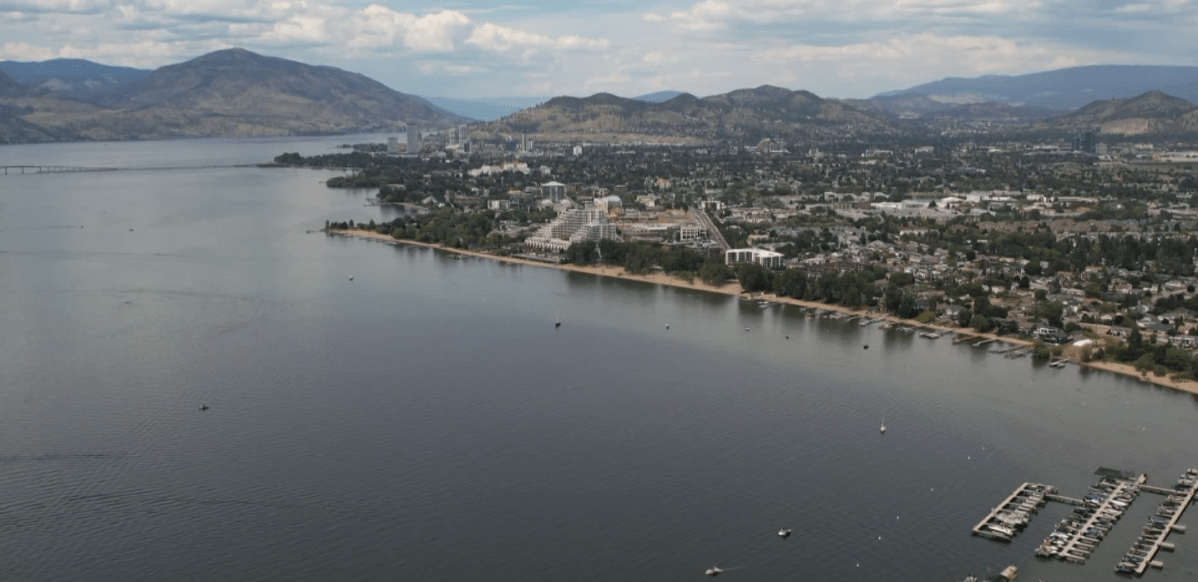
“People will say, ‘We don’t have a water problem.’ Their eyes are drawn to this big, beautiful lake,” she said. “We call it the myth of abundance.”
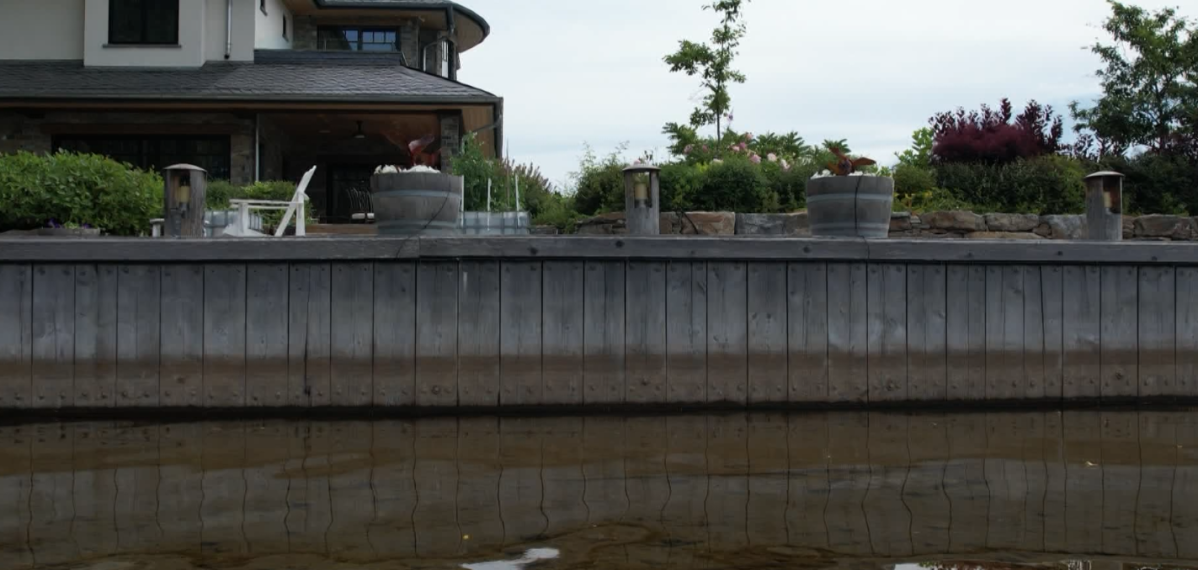
However, the Okanagan Lake level won’t change much due to the level being controlled by the Penticton dam.


“This lake isn’t meant to be drawn down. We can only take out of it what would naturally recharge,” Tesche said.
While lake levels in the Central Okanagan can be managed through dam operations, that water eventually needs to continue downstream. Holding water back to maintain levels around Kelowna can mean less water reaches communities farther south, including Oliver and Osoyoos, where farmers, ecosystems and residents also depend on the same watershed.
Recognizing that water doesn’t stop at municipal boundaries, six Syilx First Nations and 15 local governments have formed the Okanagan-Similkameen Collaborative Leadership Table. (CLT)
While much of the Okanagan has joined the Collaborative Leadership Table, Kelowna and West Kelowna have yet to decide whether they’ll sign on.
“The water doesn’t respect those boundaries,” said Jordan Koble, a member of the collaborative.
The group brings together scientific research, local government expertise and Indigenous knowledge to make coordinated decisions across the watershed.
“Not one source has all of that information,” Koble said. “Sharing a table together where everyone can pull pieces of information and add it to the puzzle so we can make a collective vision forward is much more valuable.”
For Tesche, the message is simple.
“Water is key to life here in the Okanagan,” she said. “We are one valley and one water… it’s up to every one of us to care for that water.”


Yeah go water your lawn dimwit. Just because you have an abundance of free water doesn’t mean you should waste it!
It’s pouring rain, you stupid Fkers
Imma gonna go water my lawn tomorrow, No shortage of water where we are. And its free.