



Across Manitoba’s north, First Nations Safety Officers (FNSOs) are working to keep drugs, alcohol and criminal activity out of First Nations communities.

“We’re fighting a war,” Nisichawayasihk Cree Nation (NCN) chief of law enforcement Carol Kobliski told Global News.
“I call it a war because it’s continual, we’re always trying to be one step ahead of them. But it’s hard, when you remove one, another one surfaces.”
Kobliski runs a team of 17 First Nations Safety Officers in NCN. They patrol the community and run a checkstop, monitoring everyone going in and out of the community.
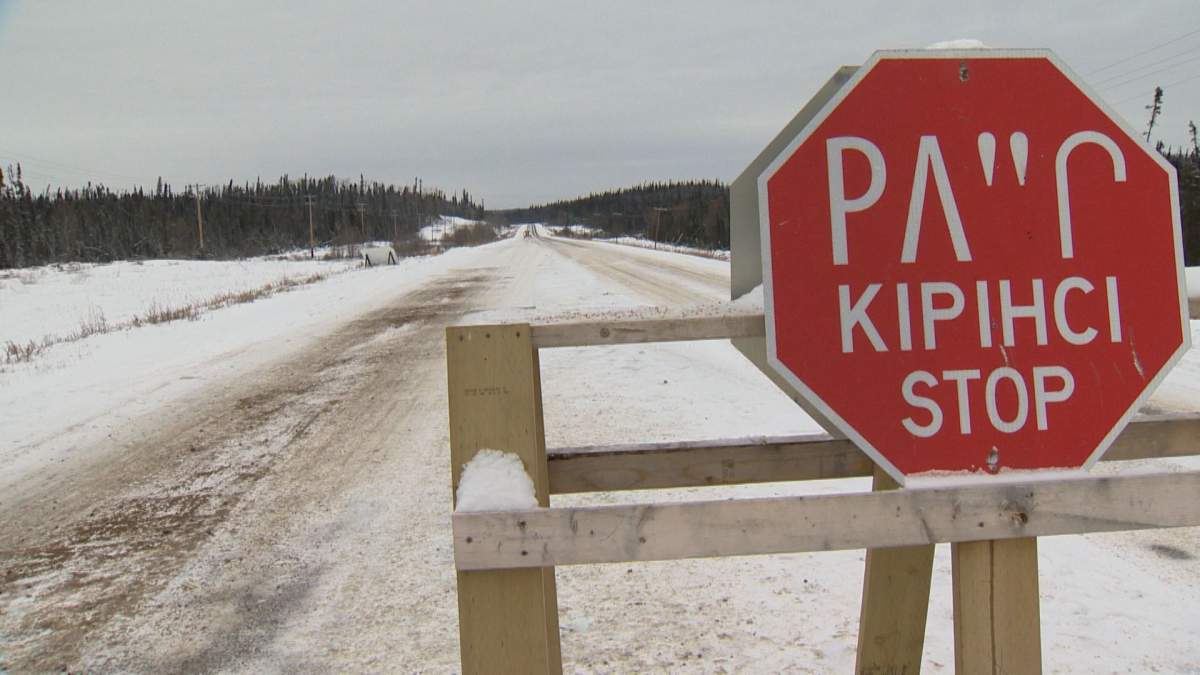
“There’s a lot of hard drugs coming in now. It’s hitting hard in northern Manitoba,” Kobliski said. “Without this checkstop, all hell would break loose in our community.”
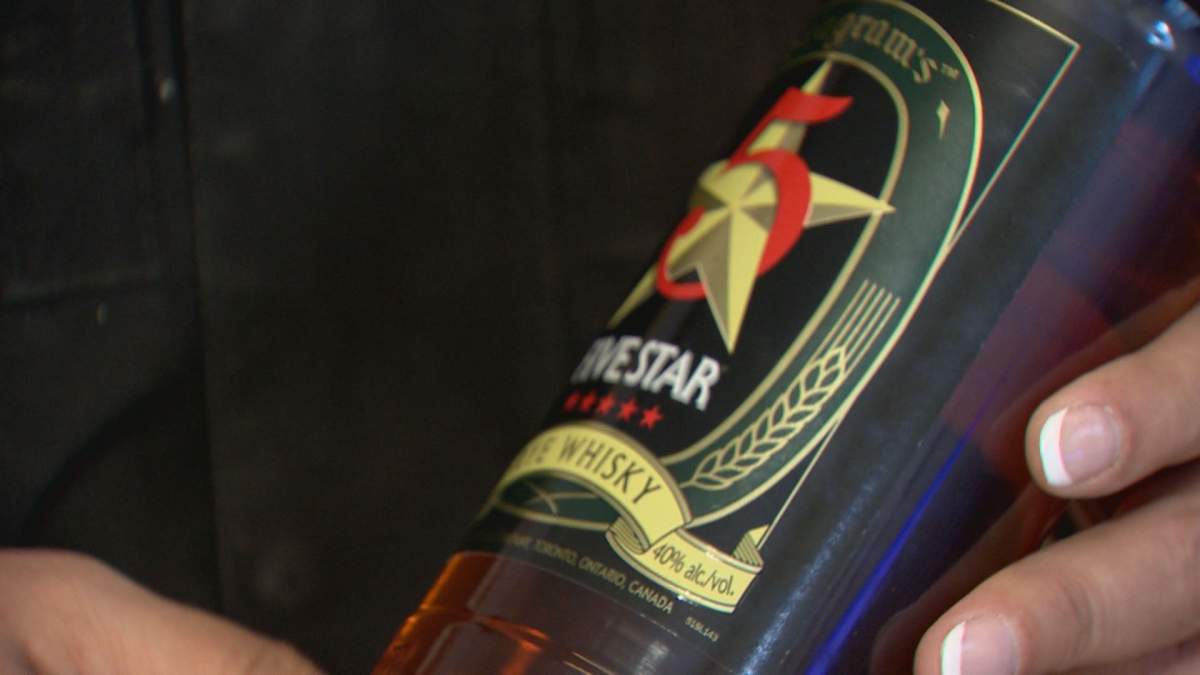
NCN also has limits on how much alcohol an individual can bring into the community, and they must present a permit and a receipt at the checkstop.
Kobliski says many bootleggers will smuggle large amounts of alcohol into the community, dilute it and sell it. She says a water bottle of diluted whiskey can sell for $60 to $100 on the street.

“People stashing in their vehicles, underneath the vehicles, underneath the hoods, you name it,” she said.
“They go around the checkstop by Ski-Doo, by boat, by quads — you name it. They’ll try to get in anyway they can.”

Get daily National news
The First Nations Safety Officers have located and seized stolen snowmobiles and quads they believe were abandoned in the woods by drug dealers and bootleggers.
The increase in drugs, alcohol and criminal activity has also led to an increase in violence.
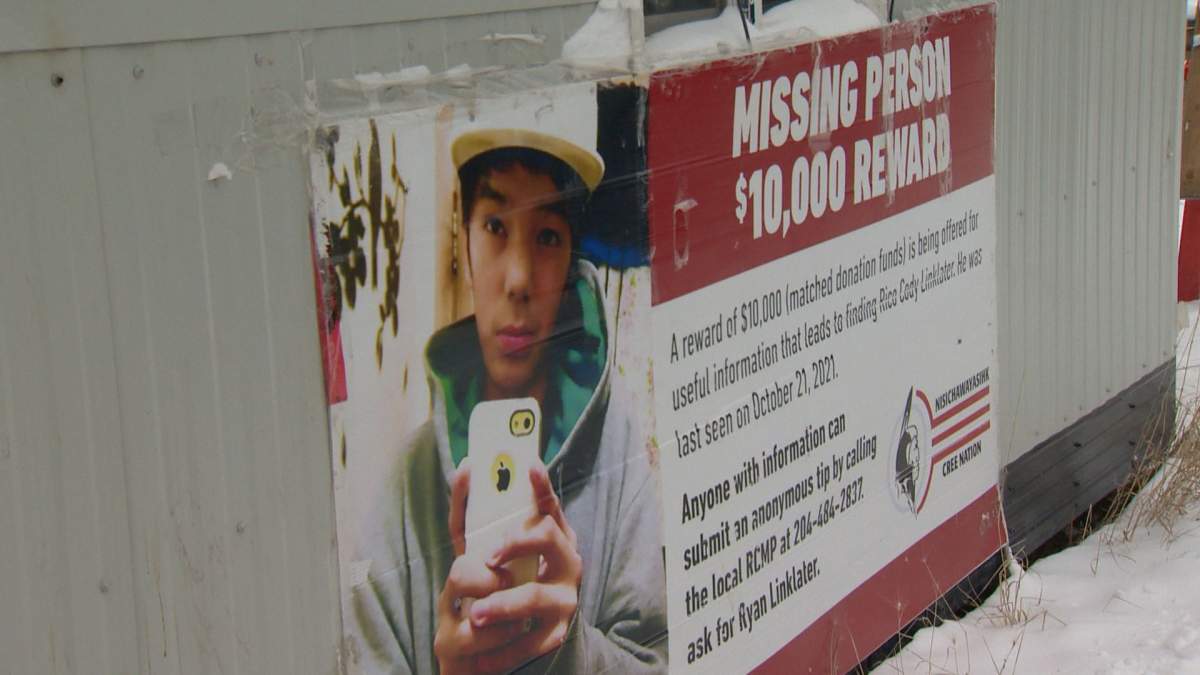
On the checkstop entering the community is a sign pleading for information regarding the disappearance of Rico Linklater, a young man from Nisichawayasihk who went missing in 2021. Manitoba RCMP believe his disappearance to be a homicide.
“The family is still looking for closure. We haven’t given up. We’re still looking,” Kobliski said.
The Cree community, located about 80 kilometres from Thompson, has both FNSOs and an RCMP detachment in the community.
“Without us, our communities would be in chaos,” Kobliski said. “We’re the middle people between RCMP and our nations. We know who’s doing what.”


Supt. Chris Massart, the district commander for Manitoba RCMP based in Thompson, says the FNSOs often act as a liaison between officers and community members.
“They are often the first line of contact when it comes to an emergency situation if there are no police in the community, and even if there are police in the community, often community members will call them first and then they will call us and it becomes a true partnership,” Massart told Global News.
“Often they are first on-scene, they know the community because in most instances they grew up there. So they have a real connection with that community and that really bridges the gap for the RCMP members that are there. So it has been an excellent program for us, it’s been really positive.”
The issue of addictions and violence is widespread in communities throughout Manitoba’s north. But some more isolated communities don’t have FNSOs or RCMP close by.
“We need every resource that we can utilize to make sure our communities are safe. From training of First Nations Safety Officers and also programs to deal with the addiction factor,” MKO Grand Chief Garrison Settee said.
“And a lot of that addiction comes from a place of dealing with that trauma passed on from residential schools. Probably the most effective way of dealing with addictions is dealing with it from a cultural perspective and also getting people out on the land.”

Kobliski says the the province funds training for First Nations Safety Officers, but the programs are funded by the community. She wants to see the province step up and fund the program to help better protect vulnerable communities.
“Why would the government fund First Nations training and not provide the funding (for the program)? It doesn’t make sense,” she said.
“Why should our people live in fear because of these bootleggers and these drug dealers that are bringing harm to our nation? Why should our children have to suffer like that?”
Global News has reached out to the province for comment.
“What matters to me, is that next generation that’s born, they’re not going to have a fighting chance if nobody fights for them,” Kobliski said.
“Who’s going to fight for them? Their parents can’t do it. Their grandparents can’t do it. The parents are sick, grandparents are sick. Who’s going to fight for them? Somebody has to.”
Comments
Comments closed.
Due to the sensitive and/or legal subject matter of some of the content on globalnews.ca, we reserve the ability to disable comments from time to time.
Please see our Commenting Policy for more.