







Lyme disease season is in full swing and Ontario’s Chief Medical Officer of Health, David Williams, says over half the province’s population is close to affected areas.

READ MORE: Ticks season has started: what is your risk?
Lyme is caused by tiny black-legged ticks that lurk in wooded areas, brush or tall grass.
“Be aware, be careful, and check yourself before and after going to those areas,” Dr. Williams said.

Get weekly health news
“Use the precautions we note on our web page.”
Those precautions including wearing pants and long-sleeved shirts instead of shorts and t-shirts and using insect repellent with DEET.
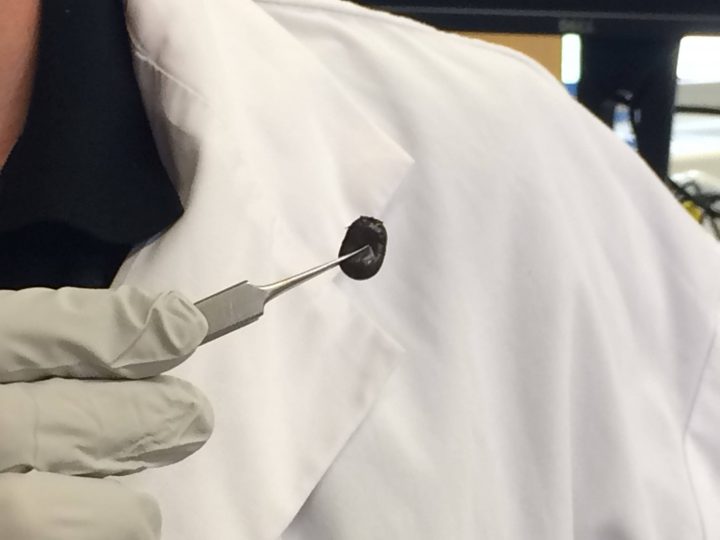
“Ticks are very small, like black dots,” he said. Look for those tiny dots on your clothing and wipe it off. “Then do that body check to see if there are any spots that look suspicious to you.”


Williams says if it does look like a tick, pull it straight up with a pair of tweezers and contact your local public health unit.
Risk areas close to London include Long Point and Turkey Point provincial parks in Norfolk County, Rondeau Provincial Park in Chatham-Kent, Point Pelee National Park in Essex County, and Pinery Provincial Park near Grand Bend.
According to the Health Ministry, there were almost 1,000 confirmed cases of Lyme disease in Ontario last year.


Comments
Want to discuss? Please read our Commenting Policy first.