


The discovery of a highly pathogenic strain of avian flu near the Calgary Zoo has prompted the facility to take steps to protect its animals from the dangerous virus.

In a statement on social media, the zoo said the Canadian Food Inspection Agency has confirmed the presence of highly pathogenic avian flu in close proximity to the zoo, which the zoo confirms to Global News is within 100 kilometres of the zoo.
As a result, the zoo has decided to close some of its exhibits, move some animals indoors and restrict public access to parts of the zoo.
The Rainforest Aviary and the Jihad Shibley Rocky Mountain Aviary have both been closed and where possible all birds have been moved indoors so they have less contact with wild birds, but it also means the public may not be able to see some of the animals.
Emma Vaasjo, an associate veterinarian with the zoo, told Global News that additional biosecurity measures are also being taken.
“We always have a level of biosecurity in place, but we are ramping that up in some of our buildings,” said Vaasjo.
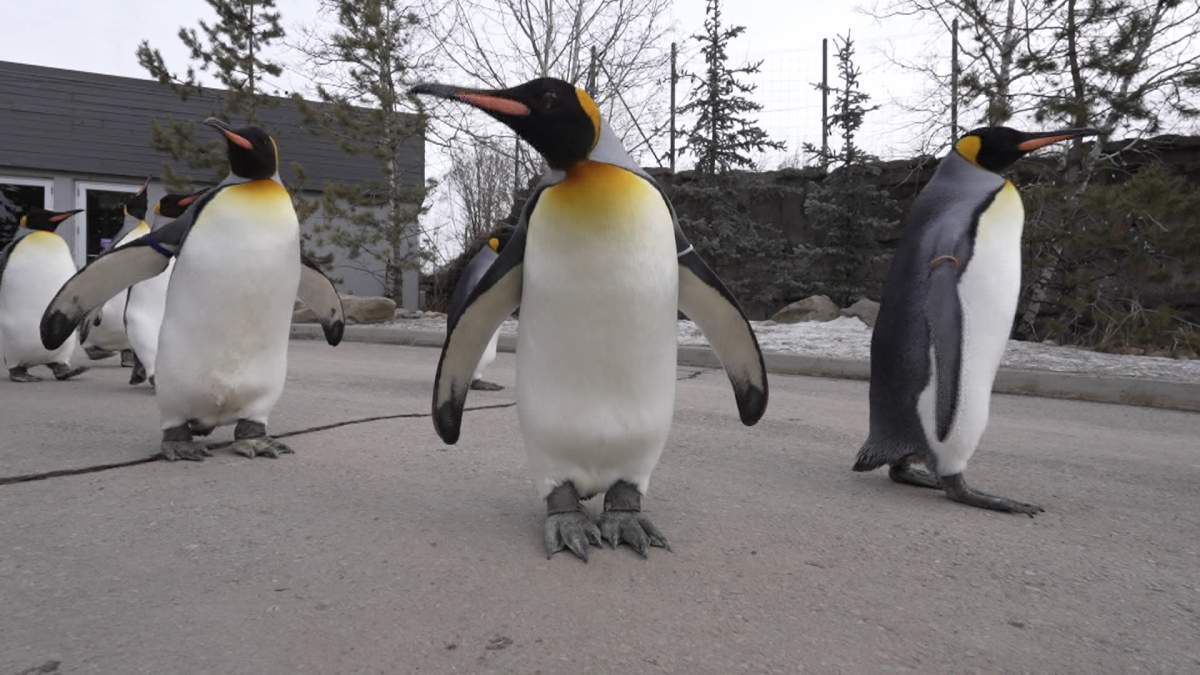
“For example, in the penguin plunge, we will have some footbaths for people to walk through before they enter the building, (and) we are increasing the amount of disinfection we are doing, just to make sure that nobody is bringing anything in on their shoes that could impact our avian species,” added Vaasjo.
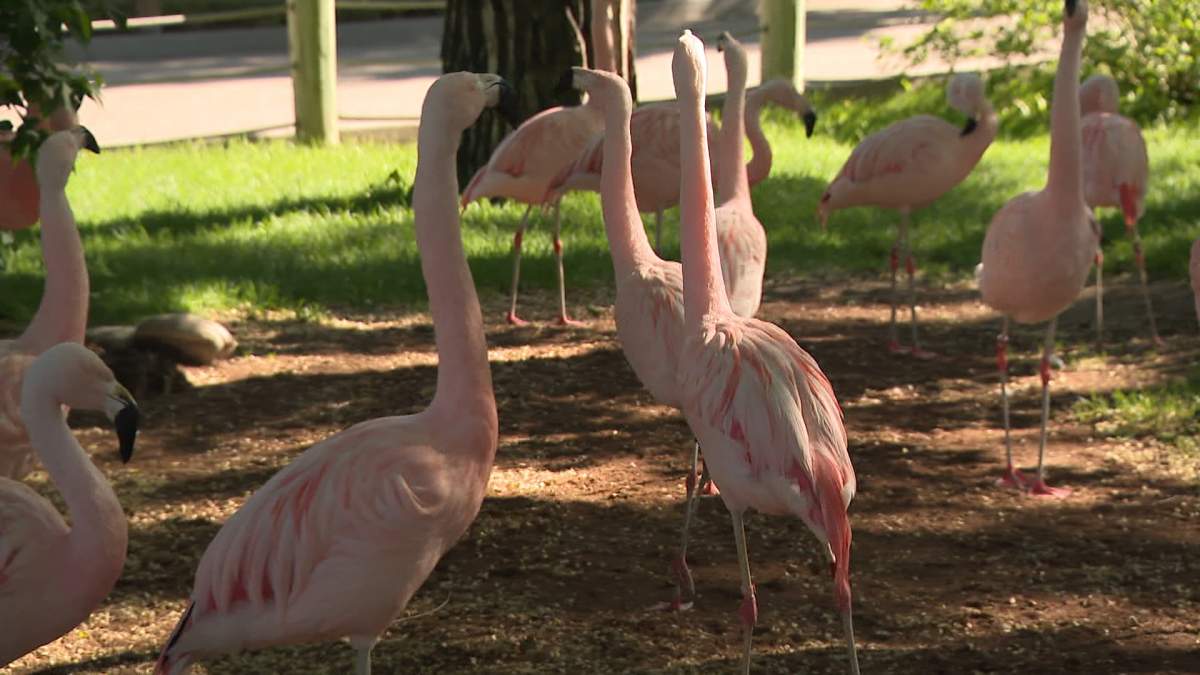
The Calgary Zoo’s flamingoes are amongst the birds the facility is taking steps to protect after the Canadian Food Inspection Agency discovered avian flu in close proximity to the zoo.

Get weekly health news
The birds affected by the changes include whooping cranes, red-crowned cranes, peacocks, Chilean flamingoes, African grey-crowned cranes and greater rheas.
Despite the extra security measures, the zoo says the penguin plunge will be open as planned.
The CFIA describes avian flu, commonly known as “bird flu,” as a contagious viral infection that affects several species of food-producing birds, as well as pet birds, wild birds and mammals.
It can be spread through bird droppings but can also survive on clothes or footwear for a prolonged period of time.
“So if members of the public are working or are living in an area where there’s a high amount of chickens or turkeys or ducks, they have an increased risk of carrying that on their clothing. We just ask those members of the public to change their clothes or wear different shoes when they come to visit us,” said Vaasjo.
Most avian influenza viruses are low pathogenic and typically cause little or no signs of illness in infected birds.
However, highly pathogenic viruses can cause severe illness and death in birds and in rare cases can also infect humans when people have close contact with infected birds or their environments.
An outbreak of avian flu that killed 69 ostriches at a B.C. ostrich farm in late 2024 has also led to an ongoing tense standoff at the farm between the CFIA and the birds owners and supporters.
-
![]() Pope’s lung cancer diagnosis spurring greater awareness advocates say
Pope’s lung cancer diagnosis spurring greater awareness advocates say -
![]() Health Matters: Ottawa to extend funding for mental health, addiction, home care services
Health Matters: Ottawa to extend funding for mental health, addiction, home care services -
![]() ‘Constantly being asked to do more with less, and it’s unsustainable’: Healthcare union alleges unsafe working conditions
‘Constantly being asked to do more with less, and it’s unsustainable’: Healthcare union alleges unsafe working conditions -
![]() Calgary Stampeders Pink Power Game is Saturday, October 17th
Calgary Stampeders Pink Power Game is Saturday, October 17th




Comments
Want to discuss? Please read our Commenting Policy first.