

The Curator independently decides what topics and products we feature. When you purchase an item through our links, we may earn a commission. Promotions and products are subject to availability and retailer terms.

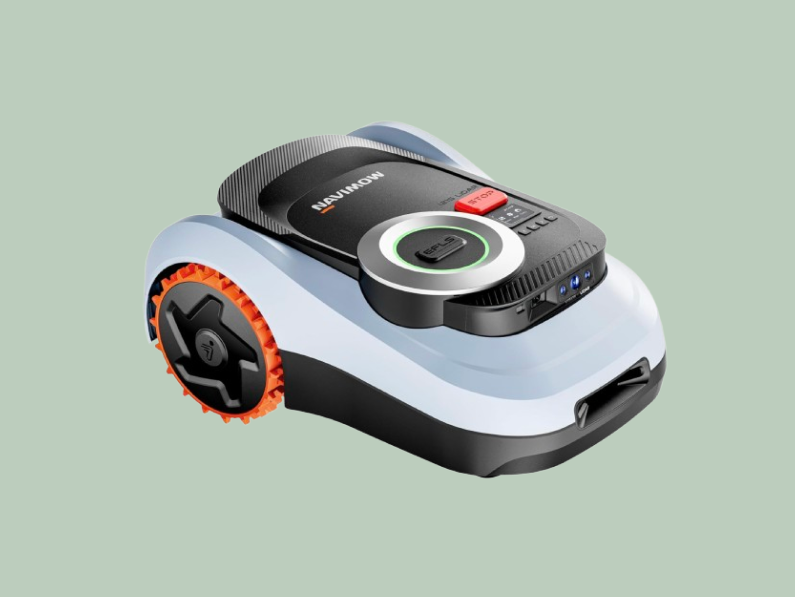
Forget weekend mowing sessions, gas fumes and dragging a heavy mower under the summer sun. Robot lawn mowers have officially entered the chat as one of the fastest-growing smart home upgrades for homeowners who want a consistently trimmed lawn with minimal effort.
Once seen as a luxury gadget for tech enthusiasts, they’re now widely available in everything from entry-level models for small yards to GPS-powered systems designed for complex landscapes. If you’ve been robot lawn-mower curious, this is your complete guide. From how they work to yard size, terrain limits, real costs and which models are actually worth considering—from Mammotion, Segway, eufy and more—here’s everything you need to know before you buy.
How do robot lawn mowers actually work?
Most robot lawn mowers operate in one of two ways. Traditional models use a boundary wire system, where a wire is installed around the perimeter of your lawn and key obstacles. The mower detects this signal and stays within the designated area. Newer models use GPS or RTK navigation systems, allowing them to map your yard digitally through an app with far less physical setup. Once set up, they:
- Cut small amounts of grass frequently rather than long weekly sessions
- Follow scheduled mowing routines through an app
- Automatically return to a charging dock when battery is low
- Adjust patterns based on model and terrain mapping
The result is not a “fresh cut” look—but a lawn that stays constantly maintained.
Yard size: the biggest deciding factor
Before features or brand names, yard size determines whether a robot mower is worth it at all.
Small yards (up to ~500 m² / 0.12 acres)
Best fit for entry-level models
- Simple setup
- Lowest cost of ownership
- Strongest value proposition
Medium yards (~500–2,000 m² / 0.5 acres)
The sweet spot for most buyers
- Wide range of models available
- Balanced performance and price
- Worth investing in better navigation features
Large yards (2,000 m²+ / 0.5+ acres)
Where costs escalate quickly



- Requires high-end GPS models or multiple units
- Longer mowing cycles needed
- Traditional ride-on mowers may still be more practical
Terrain: where they thrive—and where they don’t
Robot mowers are best suited for predictable landscapes.
Ideal conditions
- Flat or gently sloped lawns
- Clear boundaries
- Minimal obstacles (toys, furniture, garden clutter)
Challenging conditions
- Steep hills (each model has a maximum incline rating)
- Narrow side passages or disconnected lawn sections
- Highly irregular yard layouts
- Rough or uneven ground
High-end models handle complexity better, but performance varies significantly by brand and navigation system.
Cost vs value: what are you really paying for?
Robot mowers aren’t just a tool—they’re a time trade-off.
Typical price ranges
- Entry-level: ~$800–$1,500 CAD
- Mid-range: ~$1,500–$3,000 CAD
- Premium GPS models: $3,000–$7,000+ CAD
Hidden costs
Installation—especially for boundary wire systems—can take time or require professional help, which adds to the overall expense. Over time, you’ll also need to factor in replacement blades and eventual battery wear, since both are consumable parts that need periodic upkeep. On top of that, optional accessories like protective shelters or anti-theft tracking systems can increase the total cost if you want better durability and security.
Value reality check
You get the most value from a robot mower if you currently mow regularly and want to stop doing it yourself, have a simple and predictable yard layout, and prioritize long-term convenience over paying less upfront.
Downsides you should know before buying
Robot mowers are convenient, but not perfect. They come with a high upfront cost compared to traditional mowers, and setup can be time-consuming, especially for wire-based systems. Even after installation, they usually still require some manual upkeep, like trimming edges the robot can’t reach. Performance can also drop in wet conditions or when grass gets too long, and there’s always a risk of theft without proper security features. They also tend to struggle in cluttered or frequently changing yards where obstacles keep moving. Overall, they reduce the effort of mowing significantly, but they don’t fully remove the need for lawn maintenance.
If you’re still on the fence, the real question is how much your time is worth. A robot lawn mower isn’t just a gadget—it’s a shift from actively maintaining your lawn to simply managing it. For most homeowners with a predictable yard, it delivers a consistently neat lawn without the weekly effort, noise, or hassle of traditional mowing. While the upfront cost is higher, the long-term convenience is hard to beat. If you value a cleaner lawn with far less work, a robot mower is less of a luxury and more of a smart upgrade to everyday living.
Best for medium-large yards
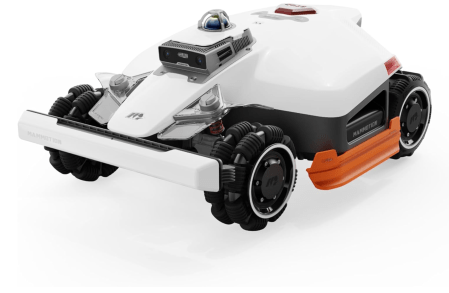
Best for small-medium yards
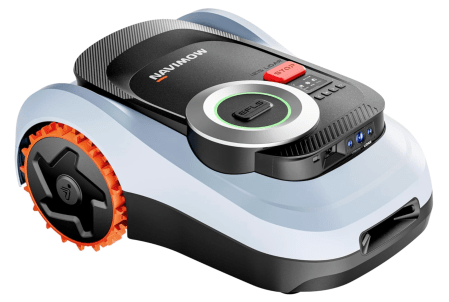
Best affordable
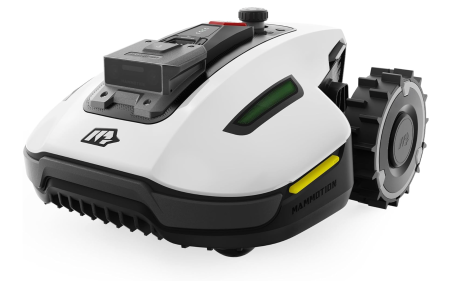
Best ease of use
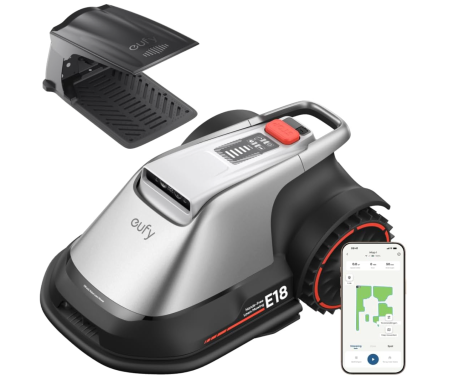
Best for hills
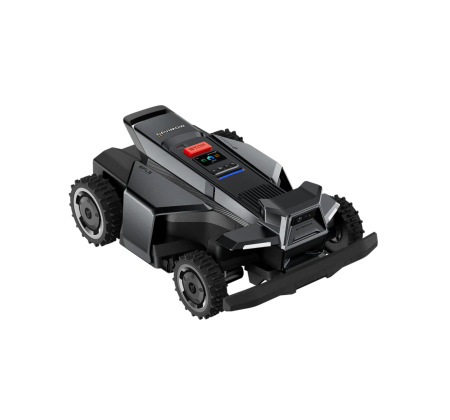
You may also like:
Electric Corded Lawn Mower – $149.99
Miracle-Gro Shake N Feed All Purpose Plant Food – $9.98
Non-Stick Softgrip Micro-Tip Pruning Snip – $19.99




Comments
Want to discuss? Please read our Commenting Policy first.