



Visits at Saskatchewan health facilities have been restricted during the coronavirus pandemic, but starting July 7 the province will ease up on some of their safety measures.

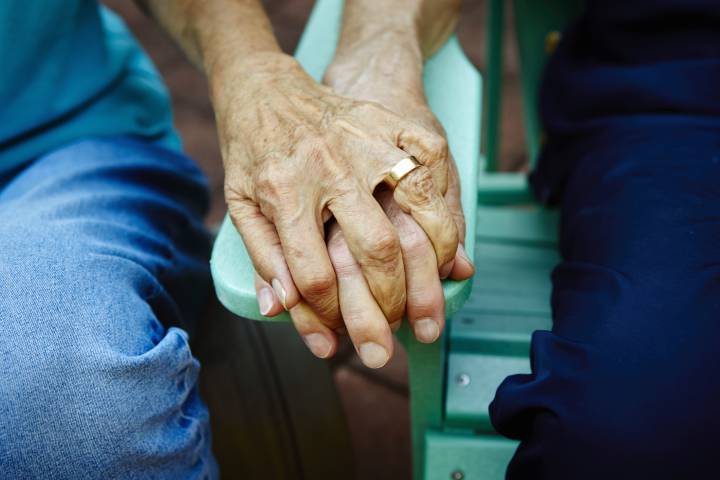
The Saskatchewan Health Authority is expanding visits for families of those in long-term care homes, personal care and group homes, as well as patients who are in critical care and the ICU.
Read more: Red Cross to hire help for Quebec’s long-term care homes; relatives say it’s badly needed
“We made several changes early in the pandemic event in order to protect our most at-risk populations, including visitation restrictions, staff and visitor health checks at point of entry and continuous masking in health care settings,” Health Minister Jim Reiter said Friday in a statement.
“As we see more of our economy reopening and additional health services resuming, we will take the same careful, safe approach to expanding family presence guidelines and ensuring that our loved ones in care continue to be protected remains our number one priority, while supporting the mental and emotional well-being of those in care.”

These are the new changes taking effect on July 7:

Get weekly health news
- Two family members or support persons can be identified to support patients and residents
- Only one family member or support person can be present in the facility at a time
- Two people can be present at one time if physical distancing can be maintained for: Critical care/intensive care patients, end of life/palliative care patients or residents, maternal services units
All family members will have to wear a medical-grade mask and will have to practice physical distancing. The SHA says masks will be provided to visitors.
Additional family members or support people can be present for end-of-life, palliative and intensive or critical care purposes.
Read more: Coronavirus: Families accuse Ontario long-term care home of denying loved ones hospital trips
Visitors were initially restricted on March 14 to prevent the spread of COVID-19, and to protect vulnerable residents.
-
![]() Pope’s lung cancer diagnosis spurring greater awareness advocates say
Pope’s lung cancer diagnosis spurring greater awareness advocates say -
![]() Health Matters: Ottawa to extend funding for mental health, addiction, home care services
Health Matters: Ottawa to extend funding for mental health, addiction, home care services -
![]() ‘Constantly being asked to do more with less, and it’s unsustainable’: Healthcare union alleges unsafe working conditions
‘Constantly being asked to do more with less, and it’s unsustainable’: Healthcare union alleges unsafe working conditions -
![]() Calgary Stampeders Pink Power Game is Saturday, October 17th
Calgary Stampeders Pink Power Game is Saturday, October 17th


On April 23, the restrictions were expanded, with exceptions made for compassionate care.

Questions about COVID-19? Here are some things you need to know:
Symptoms can include fever, cough and difficulty breathing — very similar to a cold or flu. Some people can develop a more severe illness. People most at risk of this include older adults and people with severe chronic medical conditions like heart, lung or kidney disease. If you develop symptoms, contact public health authorities.
To prevent the virus from spreading, experts recommend frequent handwashing and coughing into your sleeve. They also recommend minimizing contact with others, staying home as much as possible and maintaining a distance of two metres from other people if you go out. In situations where you can’t keep a safe distance from others, public health officials recommend the use of a non-medical face mask or covering to prevent spreading the respiratory droplets that can carry the virus.
For full COVID-19 coverage from Global News, click here.


Comments
Want to discuss? Please read our Commenting Policy first.