

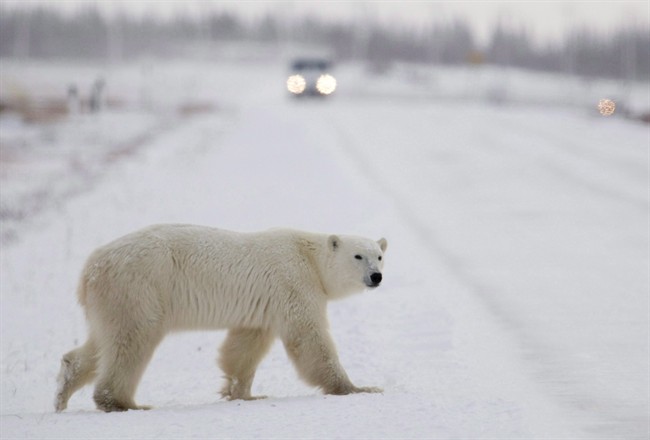
The first study done on polar bear attacks around the world concludes that the great Arctic hunters aren’t the enthusiastic predators of humans of popular myth.

Despite their reputation for stalking people like any other prey, the study found bears don’t usually go after them until the animals are already beginning to starve.
WATCH: Stanley Park Zoo polar bear is dead

- Ottawa student flagged as security threat over research helpful to Iran’s weapons program
- B.C.’s expanded chronic offender initiative welcomed but concerns raised
- Complexity growing as 911 fields more than 1 million calls for help each year in Calgary
- ‘Something’ led to ‘lost Canadian’ citizenship recalls, minister says


Nearly two-thirds of the attacks studied were by bears in poor body condition.
The report by Polar Bears International warns that such bears are likely to become more common as vanishing sea ice reduces their ability to hunt seals.

Get daily National news
Nearly nine in 10 attacks occurred between July and December, when sea ice is at its lowest level.
The report offers important advice for anyone being attacked: bears have been driven off by victims fighting back.


Comments
Want to discuss? Please read our Commenting Policy first.