

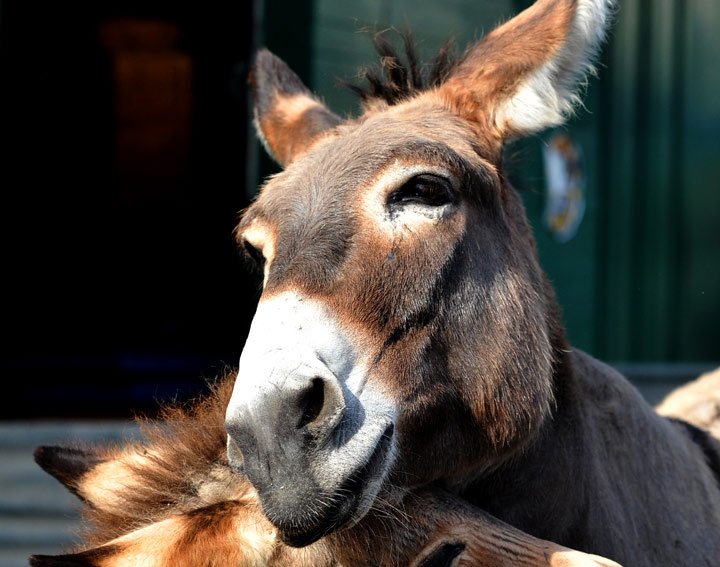
JOHANNESBURG — Four people have been arrested after they were caught with 1,200 donkey hides in Botswana, unravelling an export syndicate linked to China, where the hide is valued for medicinal use, local media reported Monday.

Acting on a tip-off, police arrested three Zimbabweans and a Chinese man after they raided a warehouse in the southern town of Molepolole, the African News Agency reported. The Zimbabwean suspects, two men and a woman, told police they worked for a Chinese export company based in neighboring Zimbabwe, the South Africa-based agency said.
MORE: Chinese main buyers of polar bear fur, but trade no threat to animals: study

Get breaking National news
The suspects are still in police custody and are being detained for the illegal slaughter, possession and export of the skins. The Chinese man was also found carrying about $20,000 in Botswana’s currency, the agency reported.
“The suspects revealed that they buy donkeys from surrounding villages which they then kill, skin and throw away the carcass,” Molepolole Station Commander, Charles Mbengwa said, adding that the alleged exporters could not account for all the hides found in the warehouse.
- Trial for self-proclaimed ‘Crypto King’ hears from investors he allegedly bilked
- What we know about the U.S. suspect connected to the Tumbler Ridge school shooting
- ‘Got ripped off’: Calgary woman who fell victim to contractor fraud speaks out
- Manitoba PCs propose dedicated Crown unit for property crime


“The hides are said to be worth of millions in China. The accused are currently in police custody on remand,” he said.
Donkey hide contains a gelatin valued for medicinal purposes, including anti-aging properties, treating insomnia and improving blood circulation, according to the China Daily newspaper. The gelatin is a key ingredient in China’s ejiao industry, which produces tablets, tonics and a sweet syrup.
China’s donkey population has dwindled due to commercial use of the animal and farmers are being urged to breed donkeys as the demand for ejiao increases, the newspaper reported.


Comments
Want to discuss? Please read our Commenting Policy first.