


As another stretch of hot weather grips the Okanagan, a new report is asking a simple question: How hot is too hot to work?

Researchers with BC Policy Solutions say B.C.’s heat exposure regulations have not kept pace with increasingly frequent extreme heat. According to the report, heat exposure regulations have not been substantially updated since 2005.
The report points to a sharp rise in heat-related illness claims following the 2021 heat dome, arguing that stronger protections are needed before more workers are injured.
For workers who work outside like roofers, the dangers are all too familiar.
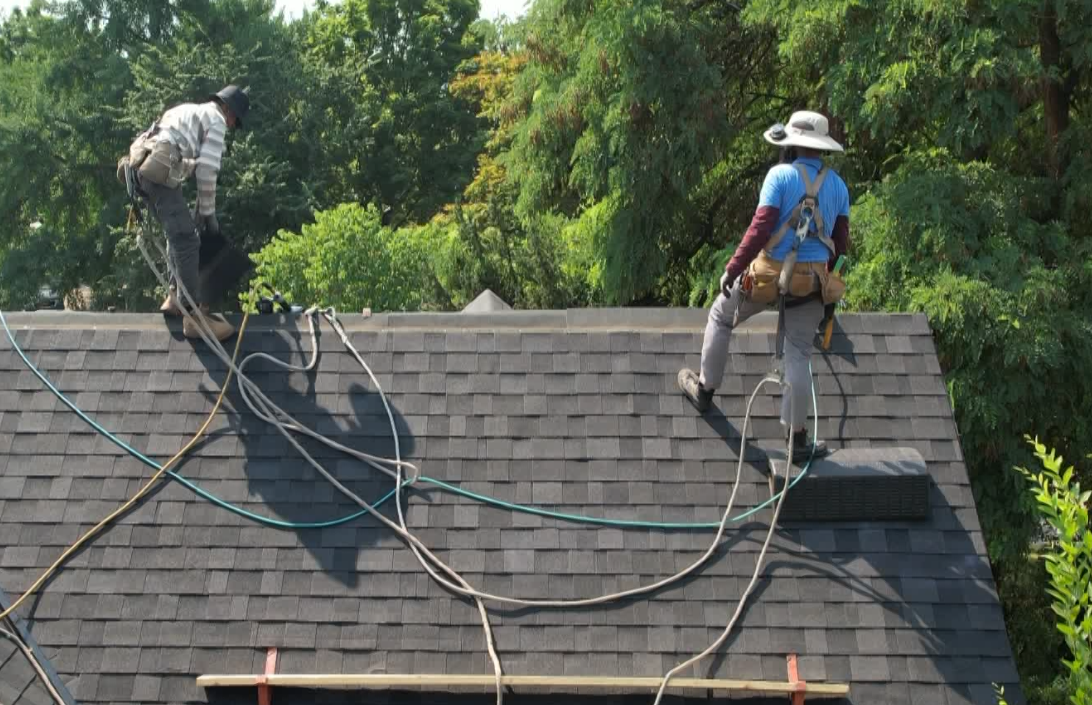
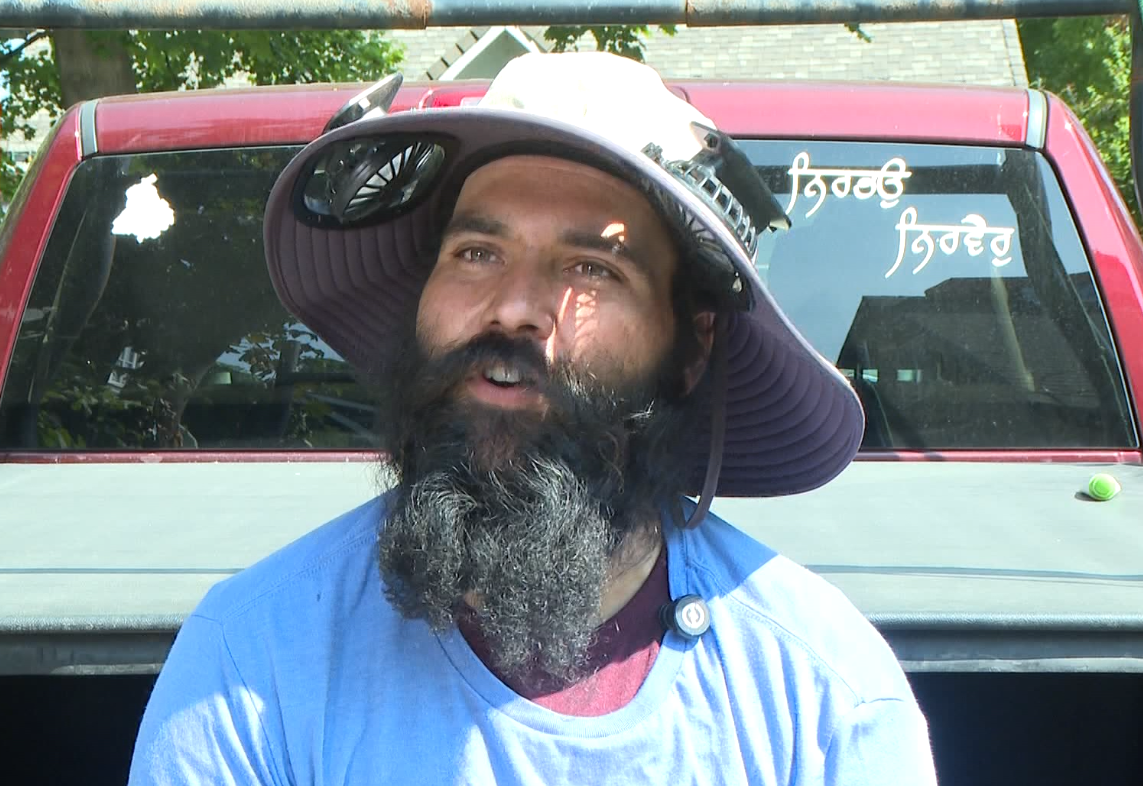
“We get really drained on the roof. We try to drink as much water as possible, or Gatorade, anything with electrolytes. We try to stay as hydrated as possible,” said Simranpreet Singh, a senior roofer with Pinnacle Roofing.
Victor Neilson, a site supervisor with the company, says the warning signs come on quickly.

Get breaking National news
“The most common thing is dizziness. When you get heat exhaustion, you get brain fog and dizzy spells. Things just don’t feel quite right.”
He says nearly every member of his crew has needed to take a day off this year after working through extreme heat.
The report recommends introducing clear temperature triggers that would automatically require employers to provide protections such as water, shade and paid rest breaks.
But the recommendations go well beyond temperature thresholds. Researchers also call for mandatory heat illness training, acclimatization plans for new and returning workers, better access to cool drinking water and washrooms, stronger enforcement, protections for vulnerable workers, and broader government measures such as hazard pay during extreme heat and improved housing for migrant workers.


WorkSafeBC says protecting workers is more complex than simply setting a maximum temperature, noting factors like air circulation, radiant heat and ventilation all affect a worker’s risk.
For roofers like Singh, surviving the heat means adapting. Crews start as early as possible, take frequent breaks in the shade, and even use soaked towels around their necks to stay cool.
“Up there it’s about 10 degrees hotter than it is normally. If there is no breeze, it feels even hotter. A little breeze helps a lot,” Singh said.
Until new rules are in place, roofers say the best defence is recognizing the warning signs before the heat makes the decision for you.


If you think Singh has it hot check out commercial roofers work 50c is a normal day
It literally hit 45 degrees Celsius in our green house today. Management left a little after 3:30 just leaving the staff to suffer. We absolutely need working heat regulations, working it heat like that is brutally sickening.
Ok. But no work no pay. Be safe. We do also need to protect consumers from escalating affordability concerns
Canadians are so damn lazy
Pfft. 43C – Ive worked in above 50C.
In Ontario, if you believe it is unsafe, you have a right to refuse.
But yes, I think the law could be less stupid as to not set any limit at all. It is incredibly unscientific.
F off D and go back in your parents basement with M
We worked outside in 110f in the 80s, no problem
Its been getting worse for years, WCB doesn’t want to set standards because if they did everyone would realize how workers in BC have been subjected to unsafe working conditions for years, but were never able to exercise their “Right to refuse unsafe work” which is really just a right to quit your job. The heat can literally kill and they need to recognize it.
The full beard doesn’t help
They dont want to put a temp cause then you could call in and that would affect greed..i mean profit.