


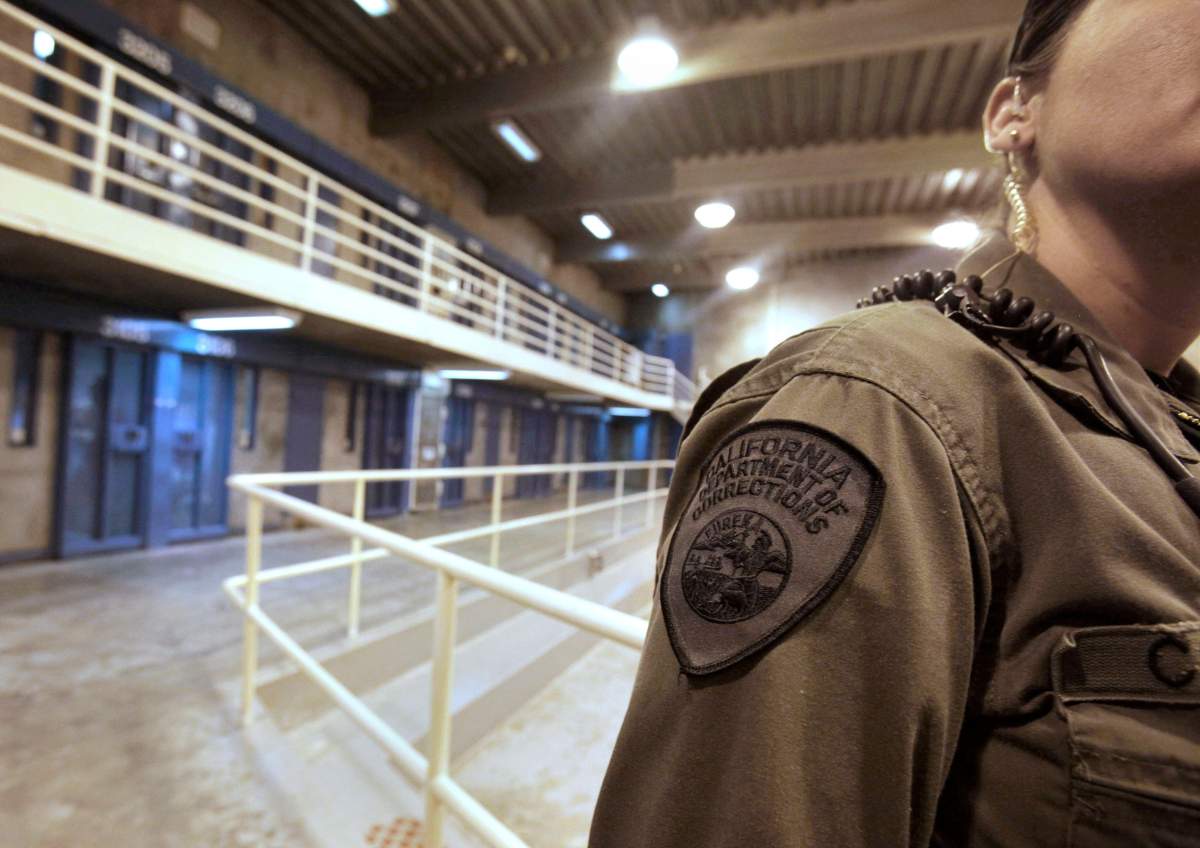
More than 30,000 California prisoners are on an indefinite hunger strike to protest what they say are torturous conditions, according to a prisoners’ rights group.

The Prison Hunger Strike Solidarity coalition (PHSS) said that prisoners across California haven’t eaten since Monday to join the massive hunger strike organized by inmates of Pelican Bay State Prison in Crescent City.
Marie Leven, whose brother Sitawa Natambu Jamaa (Dewberry) has been in solitary confinement at Pelican Bay for 29 years, said in a YouTube video posted Monday that she hasn’t touched her brother since 1982.
The YouTube video states that California locks more than 3,000 people in Security Housing Units for 22 to 24 hours a day. The cells have no windows, leaving inmates with no access to fresh air or sunlight, sometimes for decades.
The United Nations states that solitary confinement lasting more than 15 days should be banned worldwide and said that the practice can cause lasting mental damage.
“Considering the severe mental pain or suffering solitary confinement may cause, it can amount to torture or cruel, inhuman or degrading treatment… when used as a punishment,” said UN special rapporteur on turture Juan E. Mendez.



Get daily National news
In 2011, Sitawa and other SHU prisoners staged a hunger strike against living in the state’s aggressive solitary confinement conditions. Around 12,000 prisoners participated in the four-week long protest.
The California Department of Corrections and Rehabilitation agreed to revise solitary confinement criteria after the strike, however PHSS claims those promises have not been kept. A media request to the CDCR was not immediately returned Thursday.
According to PHSS, prisoners are placed in long term solitary confinement at Pelican Bay for having alleged gang ties, but the group claims many of these accusations are unproven.
The prisoners in the most recent strike are hoping to end long-term confinement, end group punishment and administrative abuse, abolish gang status criteria, provide adequate and nutritious food and increase rehabilitation programming.
Family members and supporters of prisoners have also held rallies and vigils to support the largest hunger strike in California’s history.
A state-wide solidarity march is planned for July 13.


Comments
Want to discuss? Please read our Commenting Policy first.