






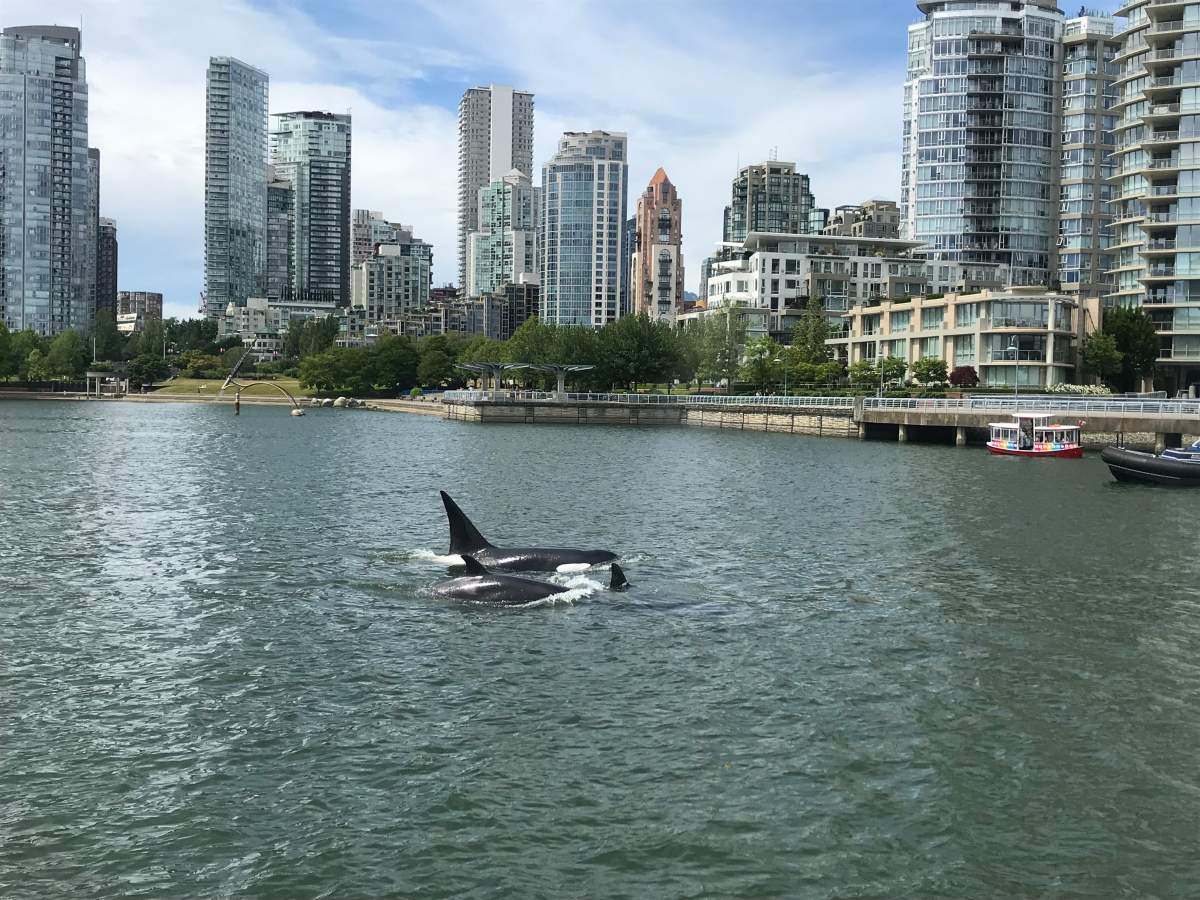
The reduction of boat traffic on the B.C. coast could be good news for marine life.

“I think it’s still too early to tell,” said Valeria Vergara, a marine mammal research scientist with the Ocean Wise Conservation Association. “But certainly it has to be good news for marine life locally.”
Noise pollution from vessels is one of the single greatest risks to marine animals who rely on sound for communication.
Whale-watching companies have ceased operations under the COVID-19 pandemic, she added, while BC Ferries has cut service in half.
“This has to have significant effects on whale habitats.”
- Largest emissions spike in decade further sets back climate goals in Toronto area
- Court setback for major mining project in B.C.’s Golden Triangle
- Canada Olympic Park gets snow-making exemption from Calgary water restrictions
- Manitoba solar panel project could create 8,000 jobs, First Nations group says


The federal government has ordered all commercial marine vessels with the capacity of 12 or more passengers to stop non-essential activities, such as tourism or recreation, as of April 6.

Get daily National news
“If these measures remain in place, for example, in June out in the St. Lawrence (River) when belugas begin arriving to their summer habitat,” Vergara said, “it will probably be the quietest arrival they’ve had in decades.”
The belugas in the St. Lawrence River are an endangered population.
Vergara was speaking on CKNW’s Mornings with Simi.


Comments
Want to discuss? Please read our Commenting Policy first.