


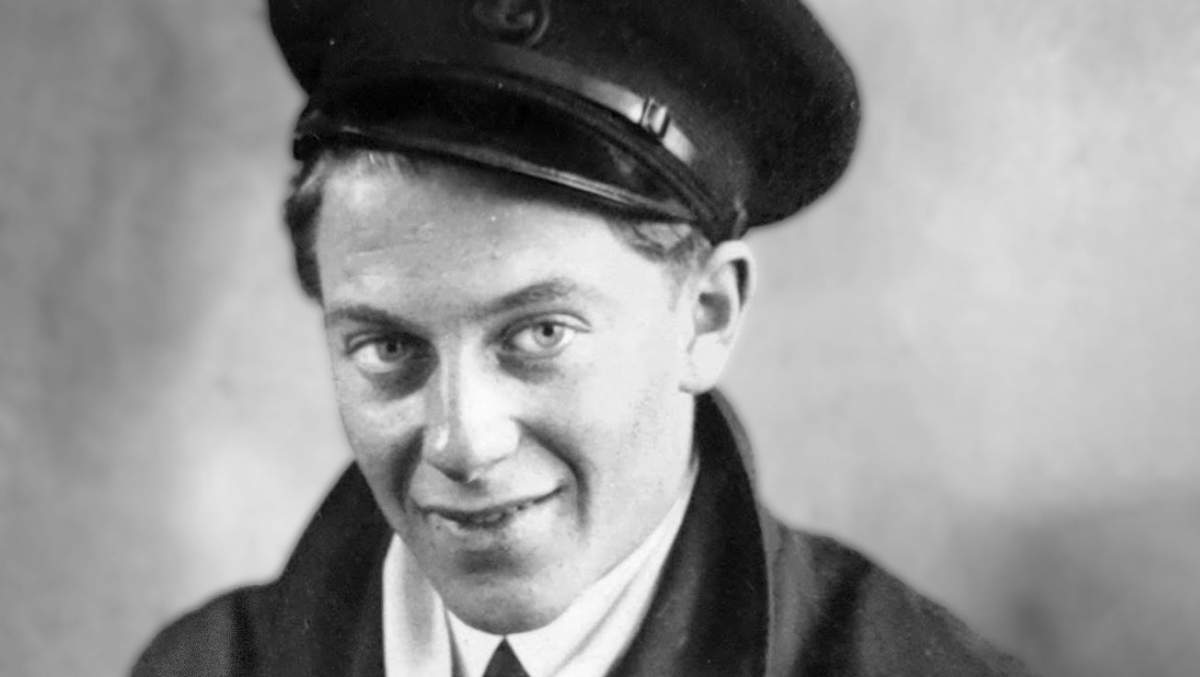
Nearly 80 years after a two-seat naval fighter crashed in Northern Ireland, the remains of a young man from New Brunswick have been recovered, and he will be laid to rest in the presence of his family.

Steward James (Jimmy) Willard MacDonald died in the plane crash in 1947. Recovery efforts at the time were unsuccessful.
But in June 2025, two Northern Ireland aviation archaeologists became interested in investigating the site.
After multiple ground penetrating radar surveys, a recovery operation began in July 2026 by the Casualty Identification Program with the support of various Canadian and Commonwealth military units and archaeologists.
Just this month, the remains recovered were identified after careful analysis using historical, anthropological and dental records.
“The identification of Steward MacDonald reminds us of the dedication of generations of Canadians who gave everything for their country,” said National Defence Minister David McGuinty in a new release.
“We thank all those who contributed to this effort, and to the ongoing work to remember and honour those who made the ultimate sacrifice in service to Canada. To Steward MacDonald’s family: know that we will remember and honour him always.”
‘Formed a very high opinion of him’
MacDonald was 25 years old and serving with the 803 Naval Air Squadron at Royal Naval Air Service Eglinton at the time of his death.
He was born in Newcastle, N.B., and joined the Royal Canadian Naval Volunteer Reserve in April 1942 during the Second World War.

Get breaking National news
According to the Department of National Defence, MacDonald began as a probationary steward on HMCS Brunswicker. Stewards had various duties, including serving meals, tending officers’ quarters and caring for the officers’ uniforms.
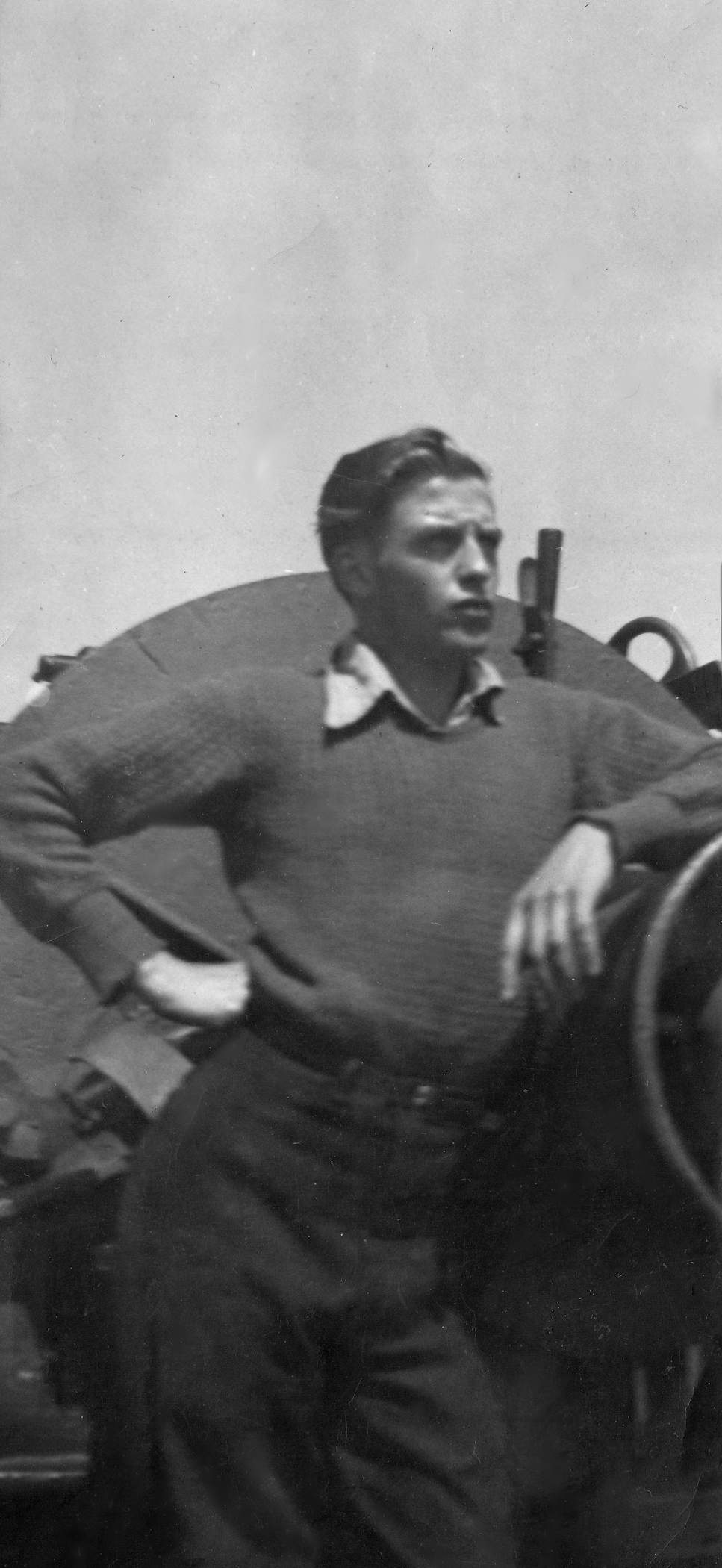
Records showed MacDonald worked his way up, and was posted to HMCS Stadacona in Halifax in 1944, and served the remainder of the war on both sides of the Atlantic.
“When the fighting in Europe ended in May 1945, Steward MacDonald was part of the ship’s company of HMCS Warrior, a light aircraft carrier commissioned into the RCN in January 1946,” his biography on the Department of National Defence’s website reads.
“With the end of hostilities, Steward MacDonald extended his service for two additional years. On 22 July 1946, he signed on with the RCN, re-engaging as a member of the permanent navy for five years of continuous service.”
He was assigned to HMCS Warrior and was based in Northern Ireland while the Canadian naval air squadrons re-equipped with new aircraft.


On Nov. 4, 1947, MacDonald was a passenger in a Fairey Firefly (TW 736) when the pilot lost control of the aircraft and it crashed at Mayoghill, near Garvagh, County Londonderry.
While the pilot was able to safely eject from the plane, MacDonald died in the crash.
According to the Department of National Defence, the crash took place in boggy ground and it was determined only a “major operation” would be able to recover the aircraft and MacDonald’s remains. Official recovery efforts ended on Nov. 20, 1947.
“On 20 February 1949, in a letter to Steward MacDonald’s brother, the commanding officer of the 19th Carrier Air Group wrote, ‘The death of your brother James was a shock and a very sad blow to me, for I had formed a very high opinion of him in the years that I had known him,'” the biography said.
MacDonald was presumed dead and his name is commemorated on the Halifax Memorial in Point Pleasant Park.
The local community in Mayoghill also placed a monument near the crash site.
Casualty Identification Program
The Casualty Identification Program was established by the Department of National Defence in 2007 and works to identify newly-found skeletal remains and pre-existing unknown graves of Canadian service members.
MacDonald is the first identification of a member from the Royal Canadian Navy, and the first time in 10 years the program has been directly involved in the recovery of a fallen member.
The Canadian Armed Forces says members of MacDonald’s family have been notified of the identification. He will be buried in Northern Ireland, “in the presence of his family, at the earliest possible opportunity.”


Comments
Want to discuss? Please read our Commenting Policy first.