


Fewer tourists are coming to Jasper, Alta., than usual this year, but it’s not for a lack of people eager to visit the picturesque Rocky Mountain town.

Numbers are about as good as they can be, considering about one-fifth of the town’s overnight accommodations burned when a ferocious wildfire swept through last summer, said Tourism Jasper CEO Tyler Riopel.
“There’s about as many people visiting Jasper this summer as we have overnight accommodations for, so I say it’s a win,” he said.
“We’re seeing between a 16- and 20-per-cent actual visitor number reduction overall, and that is 100 per cent directly attributed to the loss in fixed-roof accommodations and campgrounds.”
Spots that are available are almost entirely full, Riopel said, adding the squeeze is likely to last into next summer as the town’s rebuild continues.
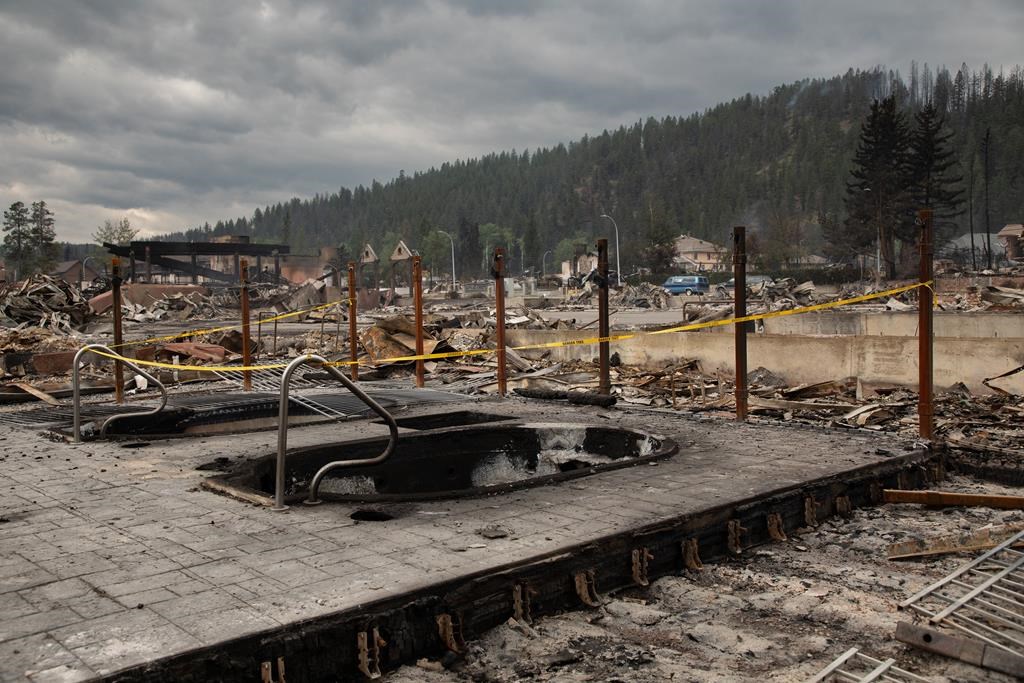
Visitors seem to be spending less when they’re in the town in shops and at attractions, but Riopel isn’t sure whether that’s a widespread trend.
There’s still plenty to do in the national park, he said. That includes more than a thousand kilometres of hiking trails, white-water rafting, the SkyTram gondola, the golf course and boat cruises on the turquoise waters of Maligne Lake.
“Jasper is such an intriguing place to be right now. Parks Canada has worked really hard to ensure that there’s a few fire impacted forests that people can walk through,” said Riopel.
Though summer may be peak tourist season in Jasper, Riopel said winter will also be important as people come for skiing and other winter activities.

Get daily National news
As the Jasper recovery continues, tourism operators affected by wildfires elsewhere this year are struggling.
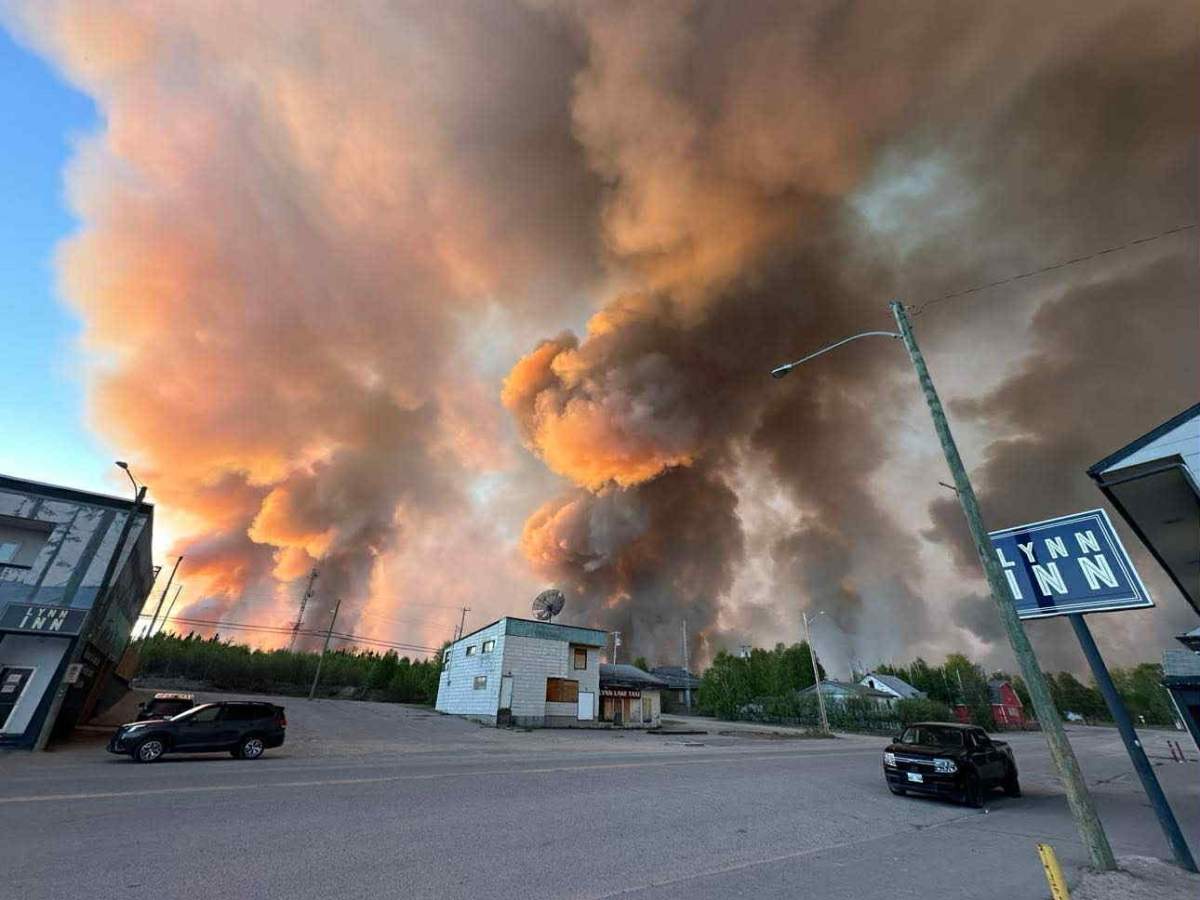
Northern Saskatchewan and Manitoba have been particularly hard hit, which has taken a toll on outfitting businesses that cater to hunters and fishers.
Roy Anderson, acting CEO of the Saskatchewan Commission of Professional Outfitters, said his group is surveying members to quantify the financial impact.
“We’re talking millions of dollars in terms of lost revenue at a minimum,” he said.
Many businesses serve a small number of repeat customers — mainly Americans — willing to splurge to hunt big game. Those clients book well in advance, so operators have to pre-purchase supplies and staff up ahead of time, leaving little flexibility when unexpected disruptions arise.
Anderson said early in the spring, concern centred around Canada-U.S. trade tensions and any knock-on effects on cross-border tourism.
“It wasn’t maybe as impactful as we thought it might be,” he said.
“And then we moved right into the reality around the wildfires.”
Fires burning close to a camp or hunting area would of course require trips to be cancelled for safety reasons. But even in unaffected areas, highway closures, air travel disruptions and bans on off-road vehicles have had big impacts, Anderson said.
He’s calling for a discussion with government officials about how to deal more proactively with the fire threat in future.
“We know this may be a unique year, but it might not be,” Anderson said.
Anderson said government could reconsider the scope of all-terrain vehicle bans, perhaps having some allowances for commercial operators or in certain zones. Sparks that come off the machines can trigger fires when a forest is tinder dry.

Tourism Saskatchewan is still determining the impact.
“Anecdotally, some operators have experienced losses, while most have remained fully open. In addition to the fires themselves, evacuation alerts and highway closures contributed to disruptions, including cancellations and reduced visitor traffic in some areas,” Alexa Lawlor, a spokeswoman for the provincial agency, said in an email.
“Many accommodations stepped up to provide emergency shelter for evacuees and firefighting personnel, and we are deeply grateful for their contributions.”

-
![]() Surrey Councillor and Mayor warn of escalating cost of wastewater treatment plant
Surrey Councillor and Mayor warn of escalating cost of wastewater treatment plant -
![]() Shipment of grain leaving Port of Churchill
Shipment of grain leaving Port of Churchill -
![]() Albertans don’t want to swap ‘overbearing Ottawa for an overbearing Washington’: Smith on referendum
Albertans don’t want to swap ‘overbearing Ottawa for an overbearing Washington’: Smith on referendum -
![]() Danielle Smith pushes for accelerated West Coast pipeline as Trump flaunts Venezuela oil deal
Danielle Smith pushes for accelerated West Coast pipeline as Trump flaunts Venezuela oil deal


The Indigenous Tourism Association of Canada has been hearing from members that it’s been a particularly tough summer, said chief executive Keith Henry.
The effects have been felt right across the country. Some visitors have cancelled because they didn’t want wildfire smoke to ruin their experience.
Full closures of wilderness areas in Atlantic Canada have caused business to evaporate overnight.
Operators in northern Manitoba had been “expecting a really exceptional year,” said Henry.
“Their business is down 30 per cent.”
Wildfires haven’t been the only challenge though. Labour disruptions at Air Canada have also caused would-be travellers to put off their trips.
Tourism is a major economic driver for Indigenous communities, Henry added.
“Indigenous tourism is so much more than economics. It’s cultural revitalization, it’s local employment, it helps families, it help the artists,” Henry said.
“We don’t want to lose faith in what we’re trying to build and what we’ve been building for many, many decades now. We’re going to continue to work really hard to make sure it survives and thrives.
“We’ve just got to figure out how do we adjust to these kinds of external factors that seem to have such downstream impacts on us?”
-
![]() Surrey Councillor and Mayor warn of escalating cost of wastewater treatment plant
Surrey Councillor and Mayor warn of escalating cost of wastewater treatment plant -
![]() Shipment of grain leaving Port of Churchill
Shipment of grain leaving Port of Churchill -
![]() Albertans don’t want to swap ‘overbearing Ottawa for an overbearing Washington’: Smith on referendum
Albertans don’t want to swap ‘overbearing Ottawa for an overbearing Washington’: Smith on referendum -
![]() Danielle Smith pushes for accelerated West Coast pipeline as Trump flaunts Venezuela oil deal
Danielle Smith pushes for accelerated West Coast pipeline as Trump flaunts Venezuela oil deal


Comments
Want to discuss? Please read our Commenting Policy first.