


“It was a good initial meeting to talk about how the province’s road network intertwines with municipal road networks and how there has to be a better, more coordinated, measured approach going forward.”

That’s how Alberta Transportation Minister Devin Dreeshen described an hour-long meeting with Calgary Mayor Jyoti Gondek on Wednesday, during which the future of bike lanes in the city was one of the main topics of discussion.
The meeting took place after Dreeshen sent letters to both Calgary and Edmonton earlier this year, asking them to remove bike lanes from some of the city’s key transportation corridors.
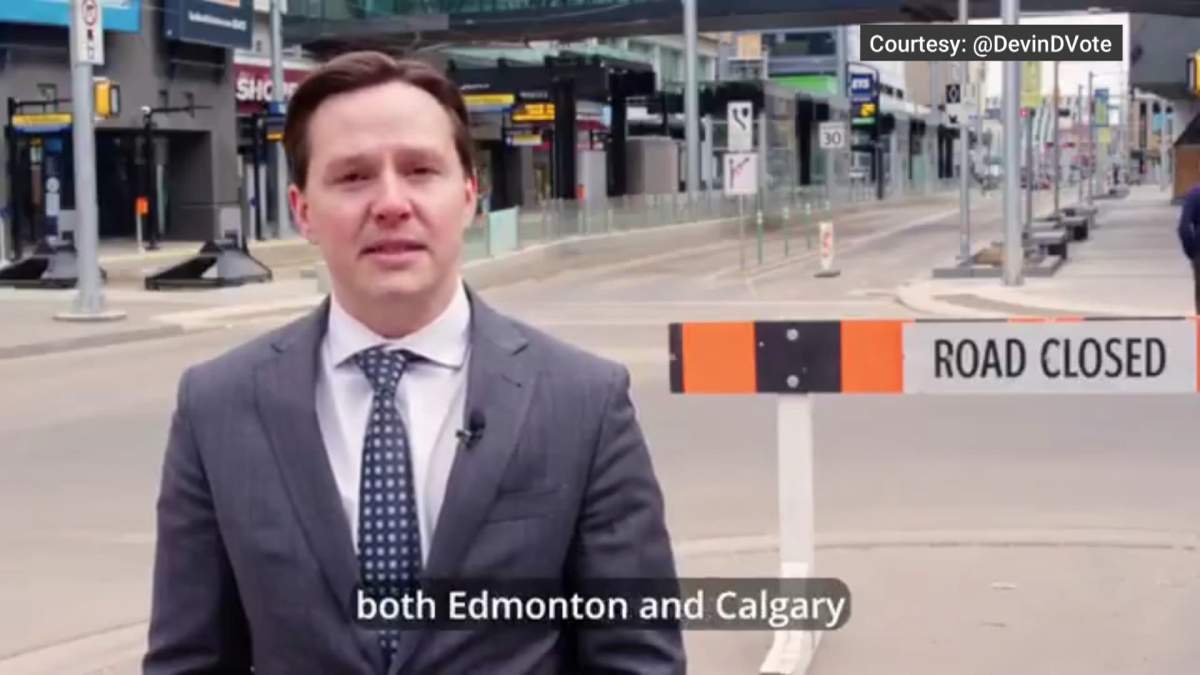
He’s concerned they cause congestion, taking away from needed space for cars, trucks and other vehicles.
“The big major concern was bike lanes that are obviously taking over driving lanes that have been engineered by a civil engineer years ago and some places 100 plus years ago — and then for that road network that’s supposed to accommodate vehicle traffic, it being taken over by bike lanes just doesn’t make sense,” said Dreeshen.

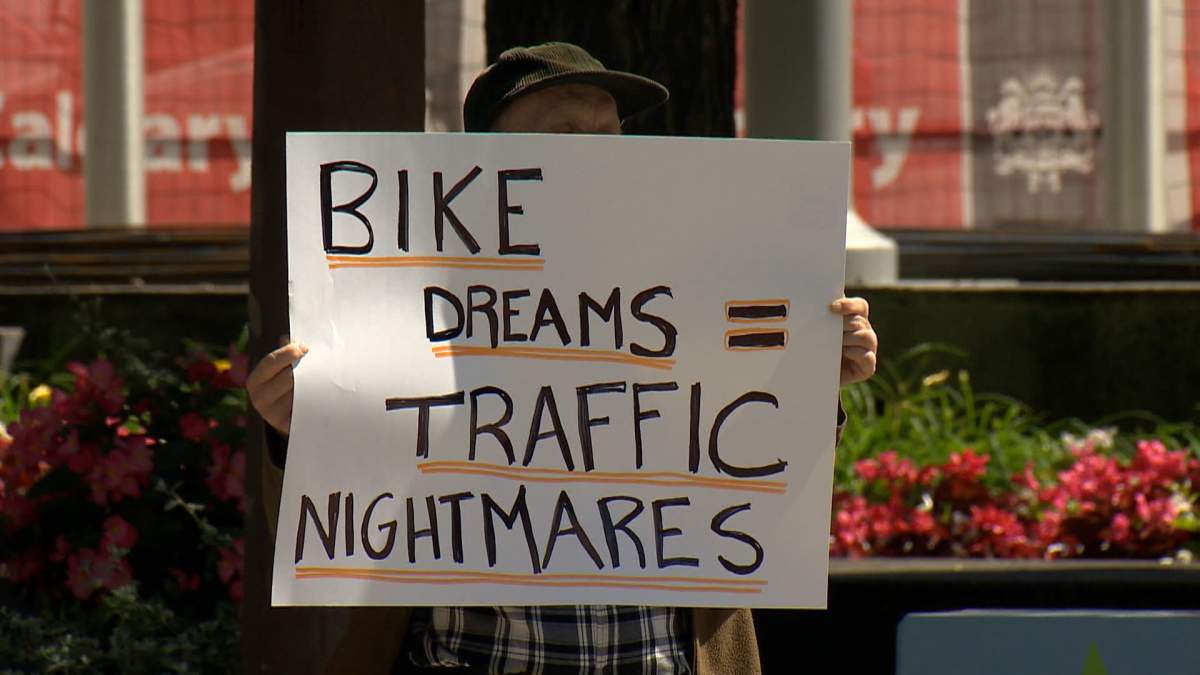
Several protesters also gathered outside the closed door meeting, calling for an audit of bike lane use in Calgary.
“I’m not against bike trails, I’m against the building of these trails of bike paths where there’s insufficient traffic,” said Roy Beyer of A Better Calgary Party, a conservative-leaning political party that will be running candidates in this fall’s municipal election in Calgary.
On the opposite side of the debate is Doug Clark of Bike Calgary, who calls bike lanes “part of the solution” to Calgary’s traffic congestion.
“Cycling infrastructure, when implemented properly, generally contributes to less congestion,” said Clark.

Get daily National news
“Just completely removing cycling infrastructure — I think that’s taking a step backwards.”
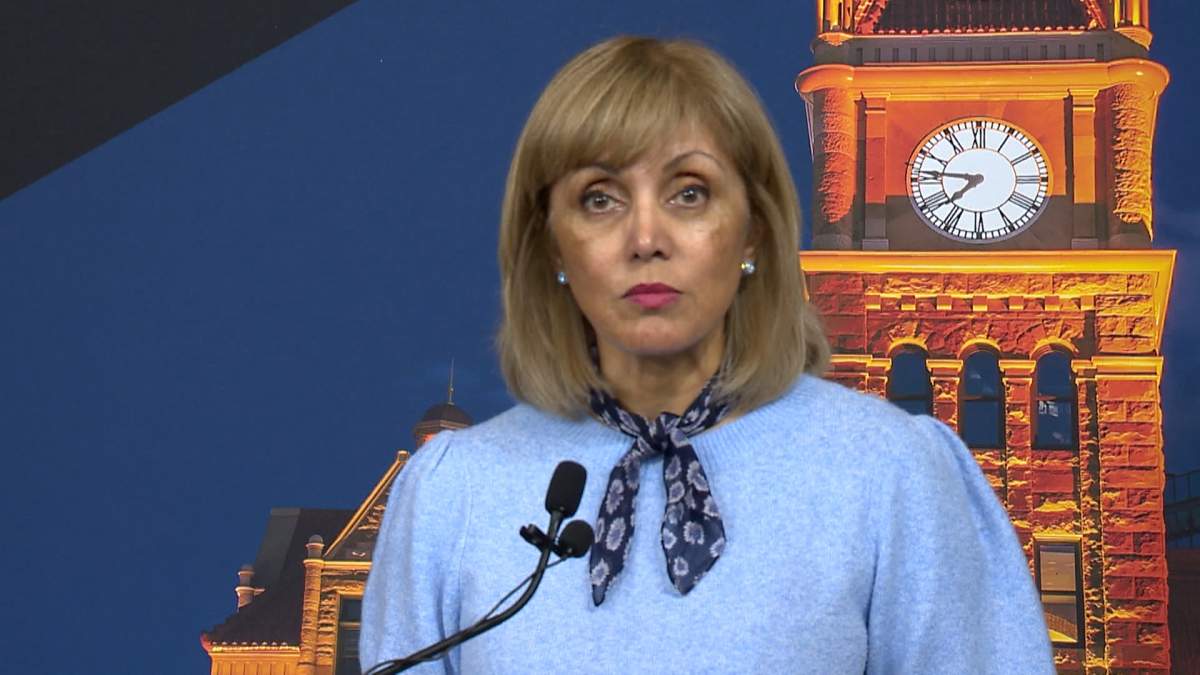
Speaking to reporters following her meeting with the minister, Gondek noted that bike lanes take up just 1 per cent of Calgary’s road capacity.
“Minister Dreeshan and I share the perspective that everything we do must be focused on supporting the economy,” said Gondek.
“That means helping people get to work, run their businesses, and take care of their daily tasks — whether it’s picking up the kids from school, heading out for groceries, or heading out for entertainment. Every investment and decision has to help Calgarians move efficiently and support continued economic growth,” added Gondek.
“Our extensive regional pathway system supports many of our bicycle commuters, helping to keep them safe and separated from traffic — they are designed for safety and minimal disruption.”
However, the mayor also said that bike lanes are not fixed.
“If a bike lane is causing any concerns with congestion or parking, our traffic team is open to reviewing and making any necessary changes,” said Gondek.
Dreeshan’s reaction was, “It was great to hear Mayor Gondek say that bike lanes are temporary.”
“So that’s something that we’re going to be looking at and working with the City of Calgary to see if there are some bike lanes that need to be removed,” added Dreeshan.
The discussion about the future of bike lanes in Alberta’s two biggest cities is similar to a debate also taking place in Ontario where, on Wednesday, a court ruled a law passed by Premier Doug Ford’s government ordering the removal of three bike lanes in the city of Toronto was unconstitutional.
The law, the court said, was a violation of the Canadian Charter of Rights and Freedoms — because it would put people at an “increased risk of harm and death.”

The Ontario government has promised to appeal — and following his meeting with the Mayor of Calgary, Dreeshen left open the possibility of the Alberta government introducing legislation here on the future of bike lanes.
“As I’ve said publicly before, we’ve seen other provinces introduce legislation to be able to make sure that there’s more sanity when it comes to bike lanes,” Dreeshen said.
“That’s something that we’re hoping that these conversations with the mayors of Edmonton and Calgary — that we wouldn’t need to have provincial legislation to make sure that driving car lanes are protected, but we’ll see where things go.”
When she was asked about the possibility of legislation, Gondek replied, “This was not a combative meeting in any way. It was an idea exchange and an information exchange.”
“(The Minister) and I have committed to working together and making sure that we understand each other and that he has a good overview of what the city is doing and how we are accommodating all modes of transportation,” said Gondek.
“Whatever happened in Ontario is the perspective of government and the courts there. Here, we are simply trying to keep people safe no matter how they choose to travel.”




Comments
Want to discuss? Please read our Commenting Policy first.