




Volunteers in Nova Scotia have been on the front lines of public health support since the pandemic began, particularly in the realm of testing, with COVID-19 rapid testing sites playing a crucial role in identifying asymptomatic cases before they unknowingly spread.

“We absolutely would not be able to function without volunteers. We have regulars that come in all the time, we welcome new volunteers all the time. We’ll get you trained up in anything. You could do swabbing, testing, registration,” said Ashton Schellen, a site lead at one of the sites.
Schellen has seen the demand for testing increase dramatically since she first joined the team in December 2020.
“Once the outbreaks started to kind of spread a little more we started targeting all of Nova Scotia. Yarmouth, Cape Breton, Wolfville,” she said.
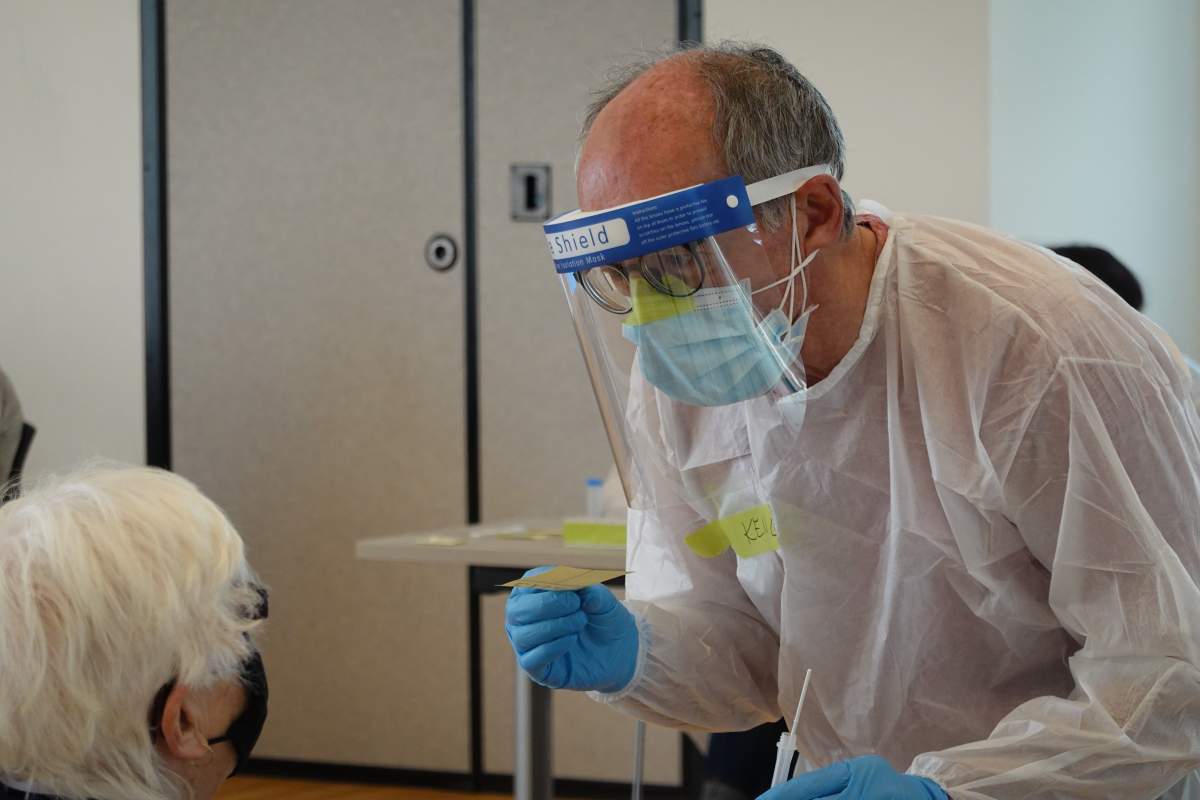
The third wave of the pandemic has come with the highest number of confirmed COVID-19 cases Nova Scotia has experienced since the start of the pandemic.

Get weekly health news
Schellen says the surge has led to an increased demand for rapid test teams to deploy throughout the province.
Currently, they are running sites in Bridgewater, Halifax and Dartmouth. The Central Zone of Nova Scotia has been identified as a hot spot for community spread, making the resources the rapid test sites provide all the more crucial in keeping the public as safe as possible.
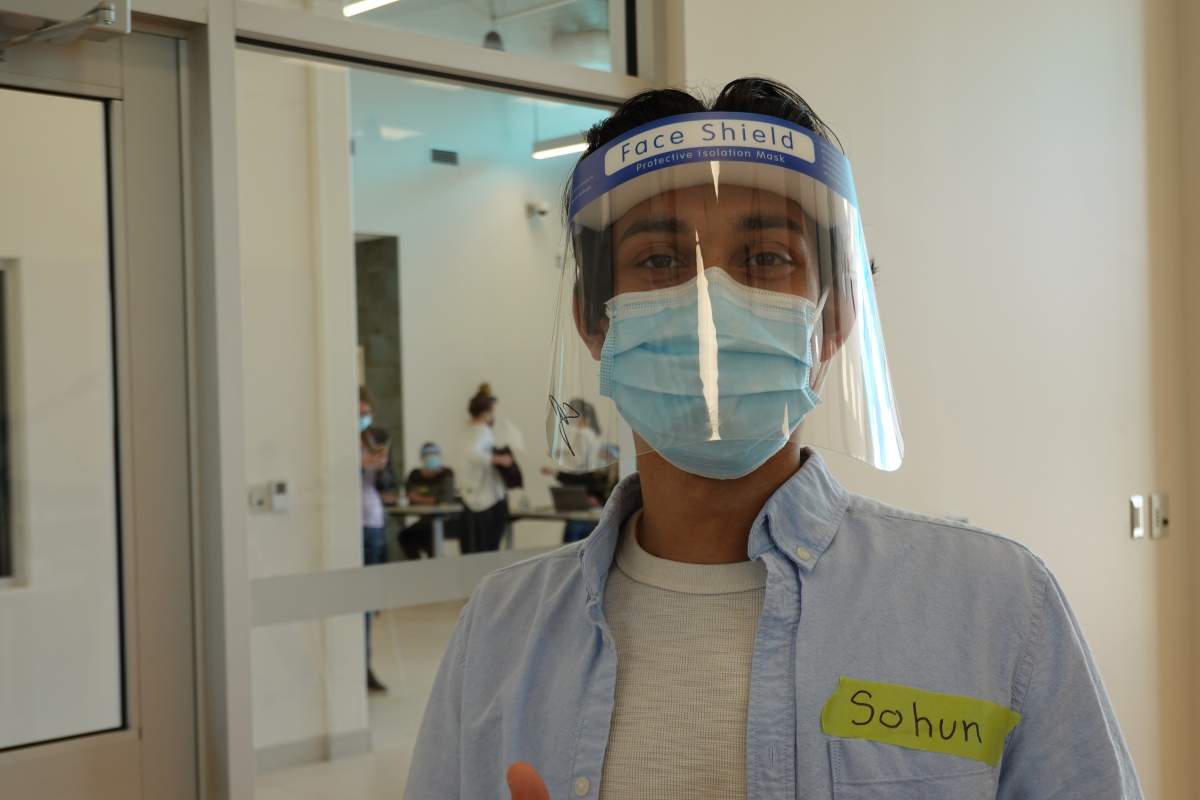
“Back in December, we didn’t have these crazy numbers. Now, we’re seeing thousands of people coming out to get tested, so just a big difference in community involvement,” said Sohun Pinto, a 20-year-old Dalhousie student studying chemistry and team leader at a test site.


Read more: Nova Scotia says province still on track for June vaccination goal with new Pfizer approval
Pinto put in enough volunteer hours that he was able to turn his dedication into a job opportunity with the test team, a path 22-year-old and fellow Dalhousie student Nick Cheverie has also followed.
“There’s been no kind of drop in the enthusiasm of our team. Everyone has been constantly on the go, ready to work and most of us have gone weeks without a day off. So, people are getting ready in the morning, making sure that they are on their best,” Cheverie said.
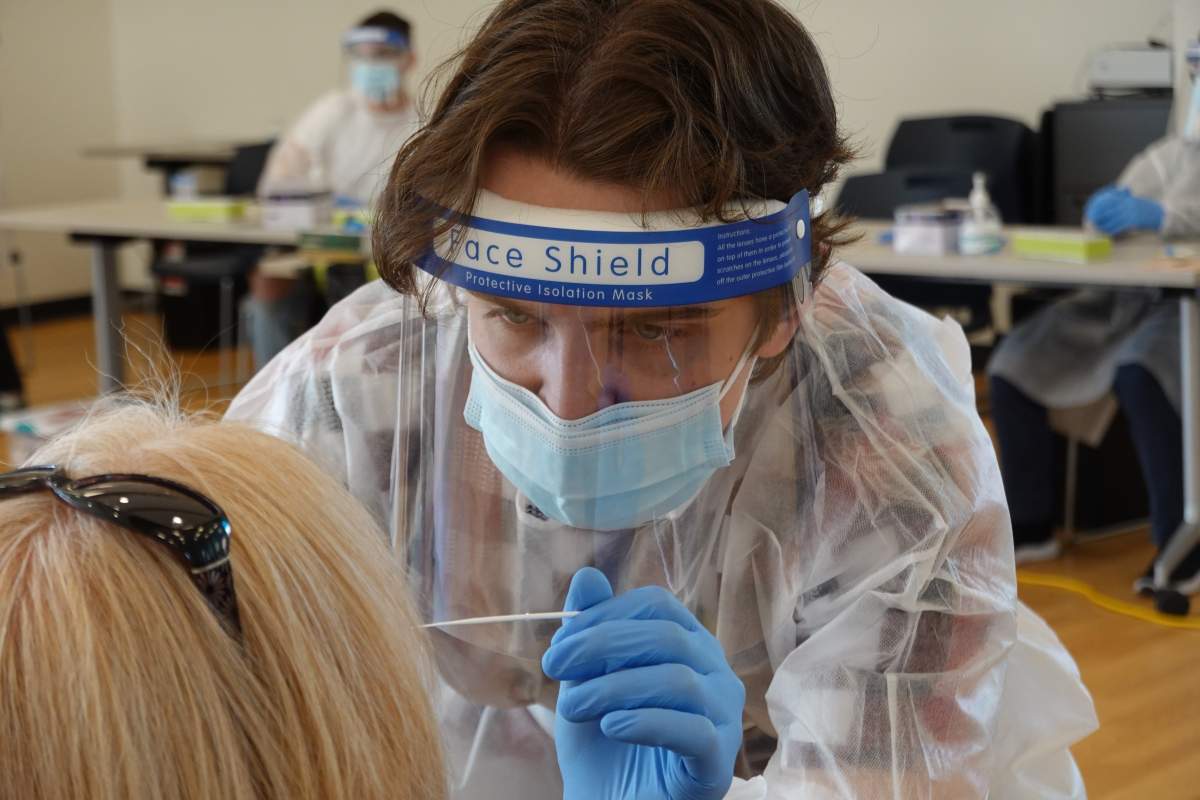
It’s a team effort that’s kept public health informed and the greater community as safe as possible.
“We want everyone to come out to get swabbed and get tested, and know their result, and know their status, so they can protect themselves and, of course, the people around them,” Cheverie said.


Comments
Want to discuss? Please read our Commenting Policy first.