


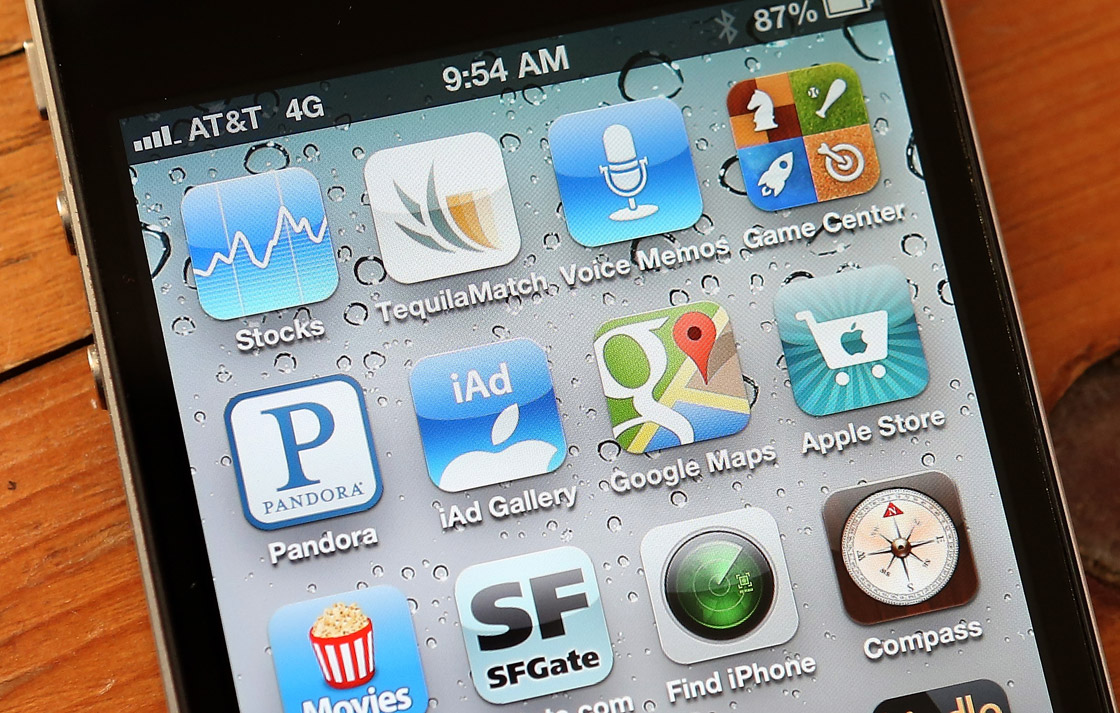
TORONTO – Using a mobile app that tracks eating and exercise can help you lose weight and keep it off, according to a new study.

But researchers from Northwestern University caution that they haven’t found a magic solution to weight loss.
Instead, they said using a mobile app in addition to getting regular exercise and education on nutrition helped study participants lose an average of 15 pounds and keep it off for at least a year.
The study, published Monday in Archives of Internal Medicine, tracked 69 overweight and obese adults – mostly men – with an average age of 58.
All participants were given weekly calorie targets and were offered classes on nutrition, exercise and behaviour change over the course of a year.
While some were asked to record what they ate and how much exercise they got on paper, others logged their data on a mobile device.
The mobile app transmitted this data to a behavioural coach who monitored the information and held regular telephone coaching sessions twice a month.
The researchers found that the group who logged their information on the mobile app and attended at least 80 per cent of the education classes lost on average 15 pounds and kept the weight off for a year.

Get weekly health news
The control group who tracked their eating and activity on paper, and also received the education classes, did not lose weight.
“The app is important because it helps people regulate their behavior, which is really hard to do,” said Bonnie Spring, lead investigator of the study and a professor of preventive medicine at Northwestern University Feinberg School of Medicine.
“Most of us have no idea how many calories we consume and how much physical activity we get. The app gives you feedback on this and helps you make smart decisions in the moment.”
So while it’s no magic pill, the researchers said the mobile app is a critical tool. And when trying to lose weight in a healthy, sustainable manner, “people need all the tools at their disposal,” said Spring.
While the Northwestern researchers believe their mobile app is the first proven to be effective in a published randomized clinical trial, the study is just one in a string of studies looking at how technology can aid in weight loss.
The claim that a simple mobile app can aid weight loss does not come without its critics.
This summer, clinical behavioural psychologist and obesity researcher Dr. Sherry Pagoto voiced criticism in Psychology Today.
-
![]() Trump condemns ‘foolish’ NATO allies, suggests war in Iran prevented ‘nuclear holocaust’
Trump condemns ‘foolish’ NATO allies, suggests war in Iran prevented ‘nuclear holocaust’ -
![]() Will Bank of Canada decide to cut interest rates after dismal February jobs report?
Will Bank of Canada decide to cut interest rates after dismal February jobs report? -
![]() Health Matters: Tim Hortons recalls thousands of mugs over potential burn hazard
Health Matters: Tim Hortons recalls thousands of mugs over potential burn hazard -
![]() Alberta businesses receive federal help with tariff pressures
Alberta businesses receive federal help with tariff pressures


Pagoto stressed that mobile apps lack a wide range of behavioural strategies required in a weight loss program.
While the majority of these apps are tools for tracking weight, diet and activity – something Pagoto said they do a very good job at – there is much more involved in reaching a weight loss goal than just tracking your calories.
“A common problem I hear from patients is ‘I don’t have time to exercise,’” said Pagoto. “A weight loss mobile app does absolutely nothing to help someone work through this issue or the myriad other issues that prevent people from reaching their weight loss goals.”
The Northwestern researchers acknowledged that a huge barrier to treating obesity is the amount of intense behavioural treatment required, something which most physicians don’t have the time or training to do.
They said their app technology is based on behaviour, focusing on “self-monitoring, goal setting, feedback and social support.”
“This approach empowers patients to help themselves on a day-to-day basis,” Spring said. “We can help people lose meaningful amounts of weight and keep it off. To do that we need to engage them in tracking their own eating and activity, learn how that governs weight, and take advantage of social support.”
Global News wants to know what you think. Have you used a mobile app as part of your health and fitness routine? What was your experience like? Share your thought on our Facebook page or tweet @globaltvnews.
Follow Heather on Twitter @heatherloney


Comments
Want to discuss? Please read our Commenting Policy first.