


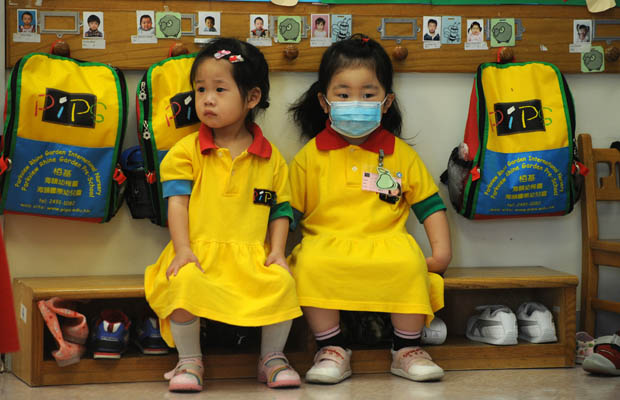
A mutated strain of Scarlet fever that is more resistant to antibiotics has killed two children in Hong Kong, the first deaths from the illness in that city in more than 10 years.
In addition to being more resistant to antibiotics, this strain is also more contagious.
Hong Kong has had 466 reported cases of the disease so far this year. That is double the annual total.
The outbreak has also spread to China, where about 9,000 cases have been reported. That too is double the average for recent years.
Thomas Tsang, controller of Hong Kong’s Centre for Health Protection, said the bacteria causing scarlet fever is widely circulating in the region and added that health officials there are “facing an epidemic.”
In the United States, the Center for Disease Control has issued a warning to Americans travelling to Hong Kong and China this summer.
The Canadian government has not issued a similar advisory, but many people here are concerned nonetheless.
They’re asking questions about Scarlet fever, many of which are answered here:
What is Scarlet fever?
It’s a streptococcal disease characterized by fever, a sore throat and a bright red skin rash that feels a bit like sandpaper and first appears on the neck and chest. The rash can last for more than a week. Other symptoms include abdominal pain, bright red color in the creases of the underarm and groin, chills, aches and pains and vomiting.
Which segment of the population is most at risk?
Scarlet fever is most common among children under the age of 10.
What causes the disease?
It’s caused by infection with the group A Streptococcus bacteria. It’s the same bacteria that cause strep throat. These bacteria produce a toxin that leads to the red rash.
How serious is the disease and how is it treated?
Scarlet fever was once a very serious childhood illness but it’s now easily treatable. Once a child gets the disease he is treated with antibiotics and, because the disease is contagious, he is confined to home or hospital to limit the spread.
How do you prevent your child from getting the disease?
When a child with scarlet fever is at home, you should keep her drinking glasses and eating utensils separate from those of other family members. You should also wash these items thoroughly in hot soapy water. Also, wash your own hands frequently.
With files from The Associated Press



Comments
Want to discuss? Please read our Commenting Policy first.