


Employees with a disability support non-profit in Manitoba have voted in favour of a strike mandate after negotiations reached an impasse, according to the workers’ union.

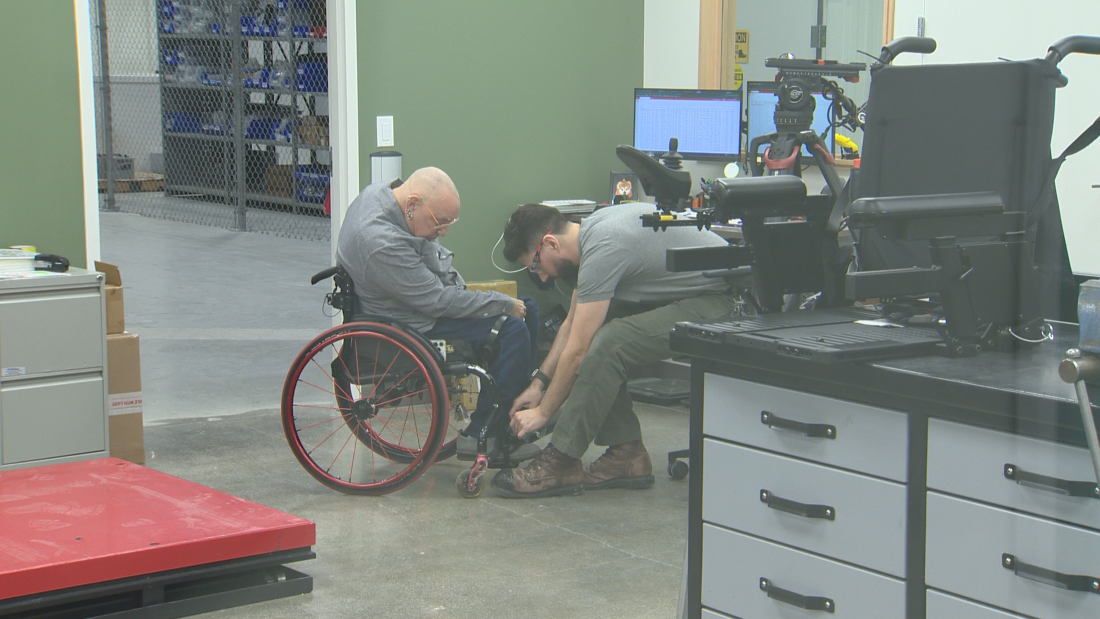
The Manitoba Government and General Employees’ Union (MGEU) Local 626 has 132 members working at Manitoba Possible, a non-profit offering programs for people with disabilities. Those programs include support services for people who use wheelchairs, clients who are deaf and hard of hearing, along with older adults.
Manitoba Possible employees have been bargaining with management since May and voted in favour of a strike mandate, meaning they are willing to strike if called upon by the union, Nov. 6, according to an MGEU news release.
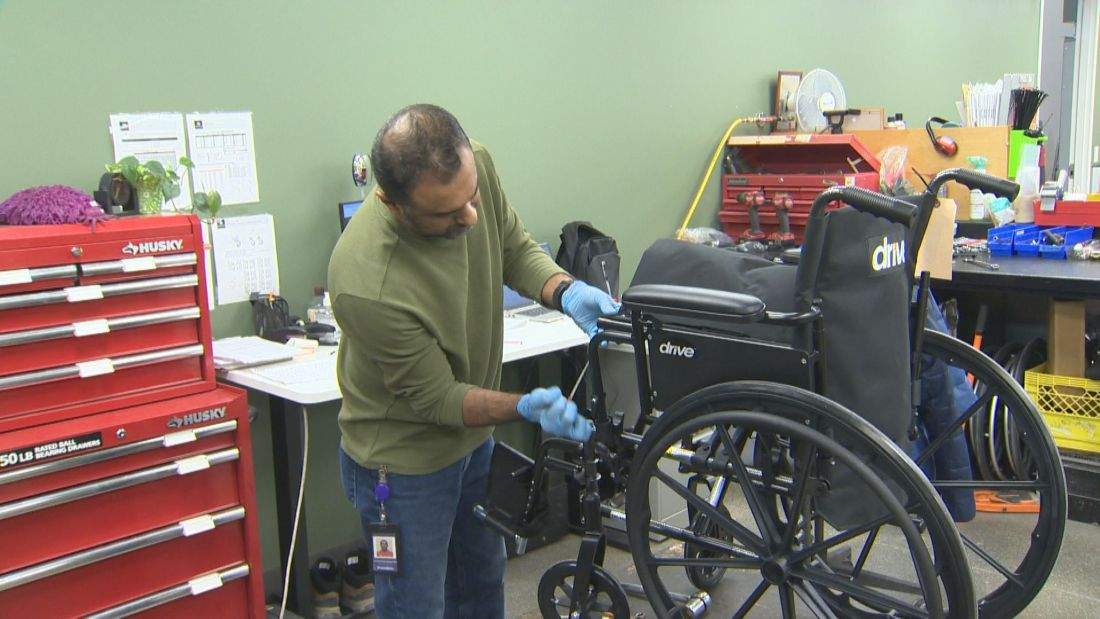
Roles such as American Sign Language (ASL) instructors, wheelchair service technicians and rehabilitation counsellors are among the roles represented by the union.
“These workers are amongst some of the lowest paid for what they do,” Kyle Ross, president of the MGEU, told Global News, reiterating an argument made by Premier Wab Kinew when he spoke with 680 CJOB last Thursday.
The premier was speaking with the station about determining who does, and does not, receive provincial funds.
“We have so many asks for the provincial treasure, and (it’s) really good stuff. Disability support workers need a raise,” Kinew said on CJOB last week.
The MGEU president said that the premier’s comments on wages do not reflect the offers being presented by Manitoba Possible.
“The offer doesn’t really respect what’s happening out there in a greater environment. The cost of living has skyrocketed over the last couple of years, and if wages don’t keep up, it just really makes it much harder for workers to work these positions,” Ross said.

Get daily National news
“Our goal is to avoid a strike at all costs. We’re going to work really hard with the employer to try because we know the valued service they provide to Manitobans, but until then we have to keep it on the table.”
Speaking with reporters at the unveiling of a new Manitoba Possible facility in Winnipeg, its CEO, Lindsey Cooke, said the organization is committed to reaching a deal that will ensure all parties are satisfied.
“Manitoba Possible cares deeply about fair pay for our staff. At the same time, we’re obligated to ensure the continuity of disability services that people rely on here,” she said.
“We think both of those things can be done, so, we’re dedicated to moving forward in finding a fair and sustainable collective agreement.”
In an emailed statement to Global News sent after the news conference, Cooke added that the offer on the table is “within the market range identified by the union’s committee.”
The Manitoba government said it hopes both parties can reach an agreement “that works for everyone.”
“We respect the collective bargaining process and believe the best agreements are reached at the bargaining table. We hope both sides can continue working together to reach a fair deal that works for everyone,” a provincial spokesperson said in an emailed statement to Global News.
Manitoba Possible’s new Winnipeg facility


On Wednesday, the disability support nonprofit revealed its new space in Winnipeg that it said met the more than 400 recommendations the organization received from disabled Manitobans.
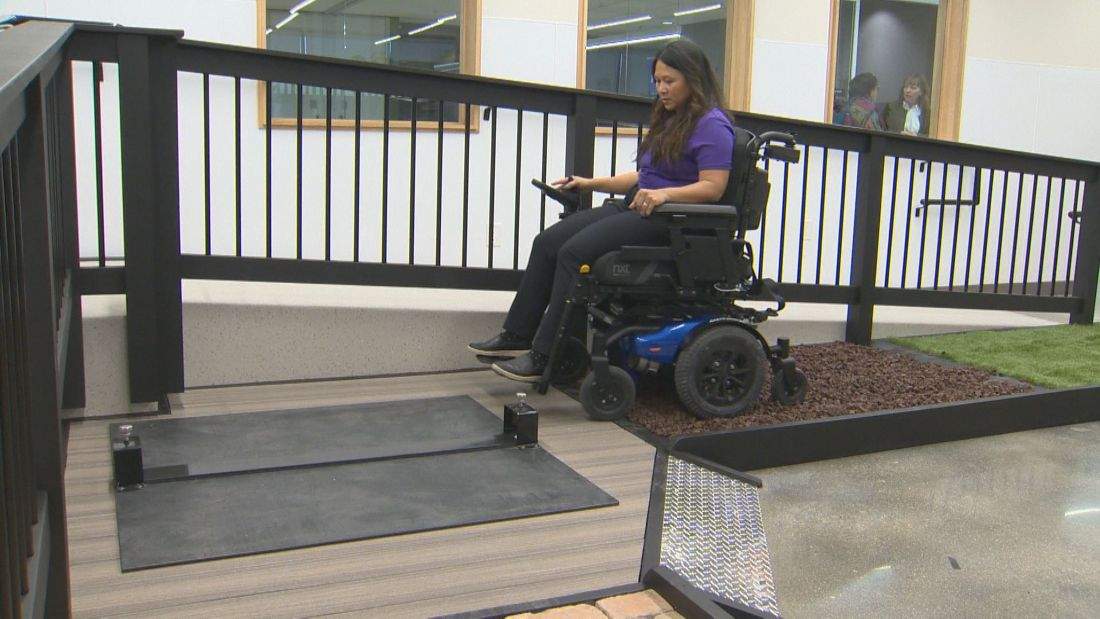
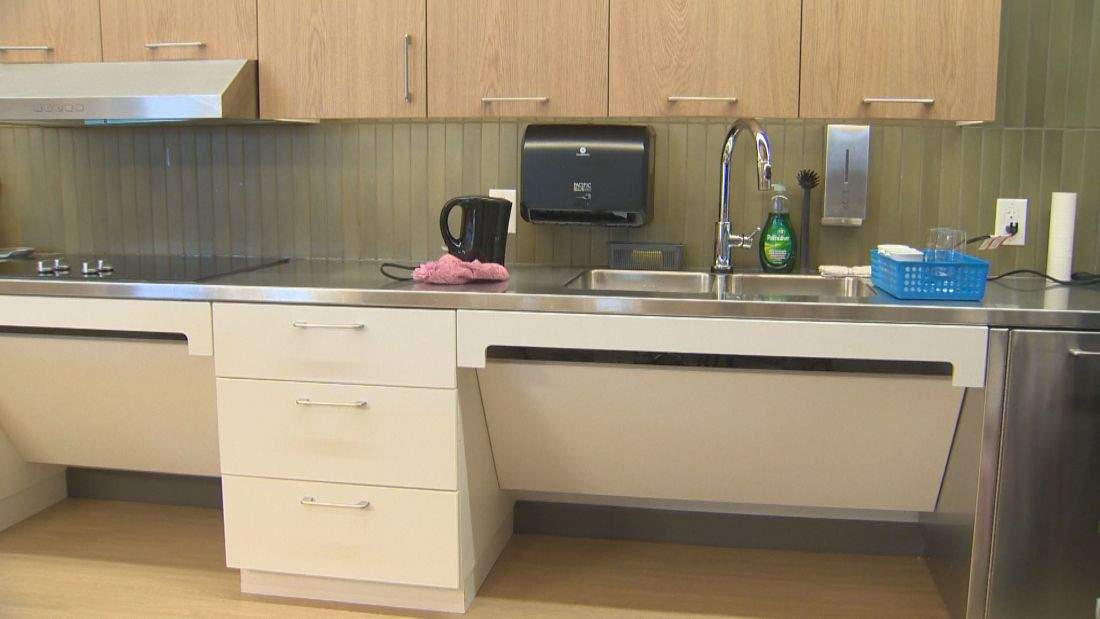
The facility, located at 1680 Notre Dame Avenue, has a fully accessible community kitchen and accessible washrooms, as well as tactile navigation paths, hearing loop technology and mechanical lifts.
“Accessibility isn’t just a policy or building code. It’s the difference between someone feeling included or feeling like an afterthought,” Janelle-Marie Emond, an ambassador with Manitoba Possible, told reporters.
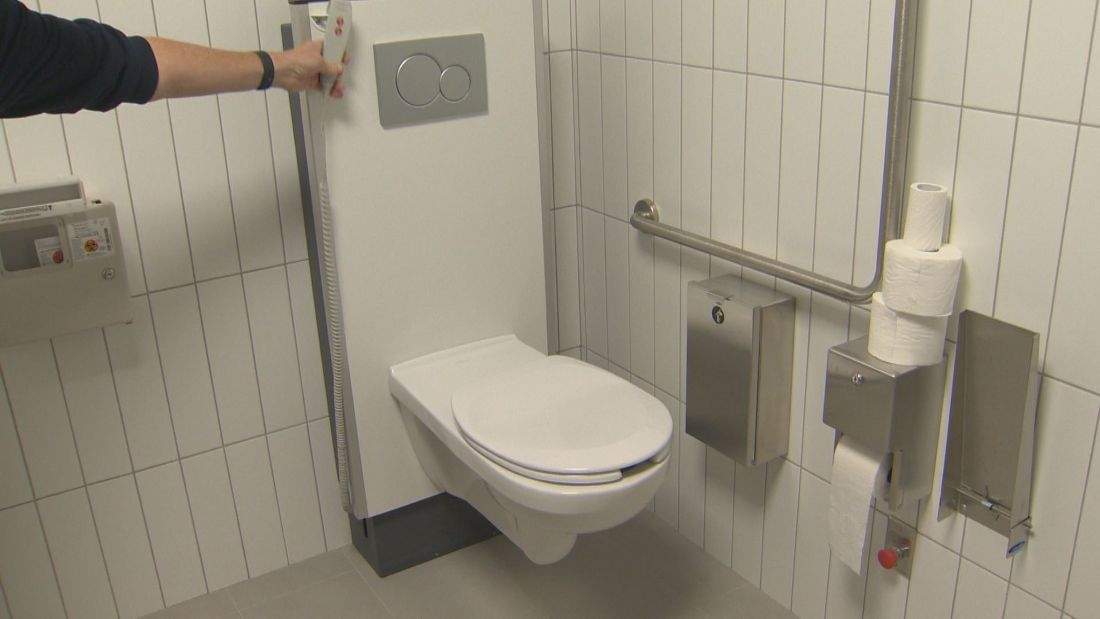
Her favourite part of the site is the accessible bathrooms, which include a self-rising toilet that was brought in from Europe, Emond added. She said the facility will allow Manitobans with disabilities to feel they “can do anything.”
“Nobody should be able to stop living their life just because they have a disability, just because they use a different device,” the ambassador said.
The site cost approximately $4.8 million, with $3.8 million of those funds coming from donors.







Comments
Want to discuss? Please read our Commenting Policy first.