


For Okanagan grape grower Karnail Singh Sidhu, farming has always meant accepting something he cannot control.

The weather can bring extreme heat, cold, drought, hail, or wildfire smoke, and any one of those can wipe out a crop or make grapes impossible to sell.
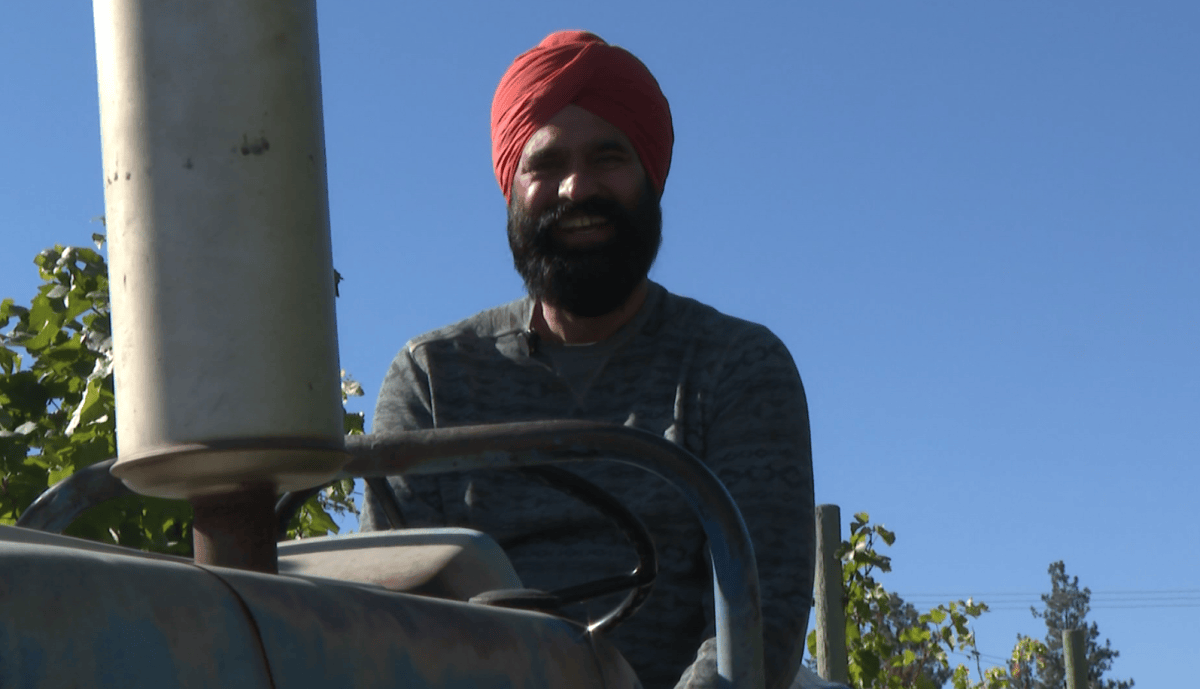
But Sidhu says what is becoming harder to accept is what happens after the damage: trying to recover with an insurance payout he says does not reflect the true cost of farming.
“Agriculture is relying lots on nature. There are lots of stuff we cannot control,” Sidhu said. “It can be too hot, too cold, too much rain, not enough rain, smoke, and we have hails. It’s all which is not in our control.” Pasted markdown
Sidhu has been in the wine industry since 1995 and has farmed his current vineyard for more than two decades.
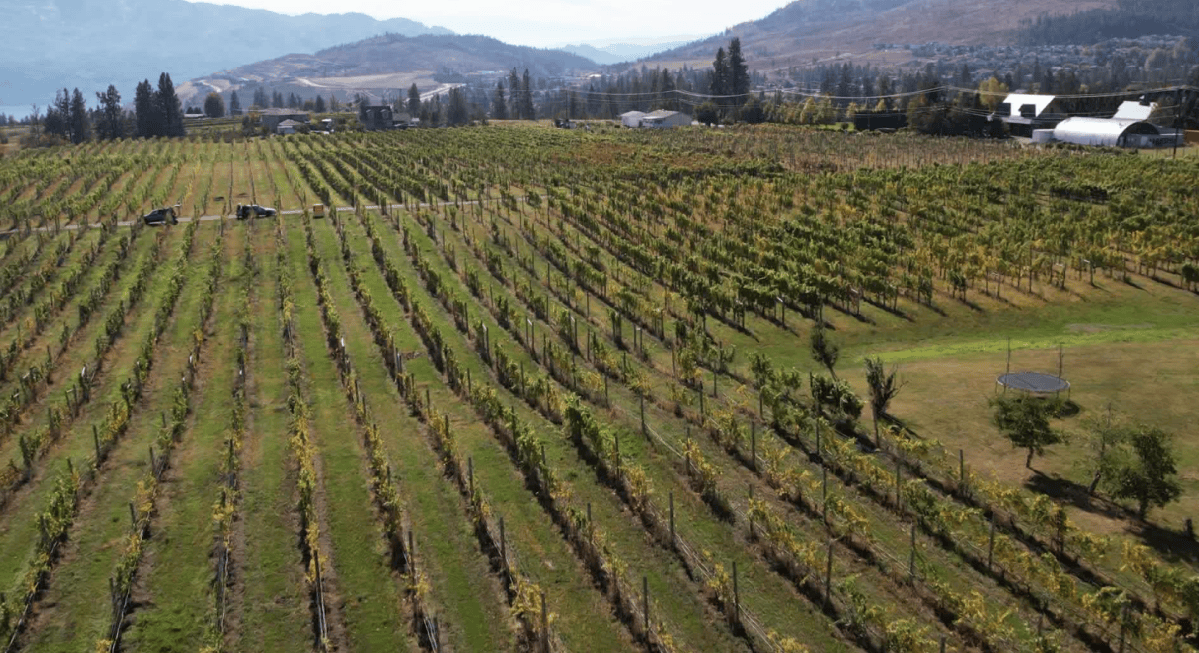
He says he’s seen the impact firsthand when a cold spell severely damaged the crop. This year, he is dealing with another problem: wildfire smoke.
About 15 tonnes of grapes at one of his vineyards were affected by smoke from fires in the Summerland area, according to Sidhu.
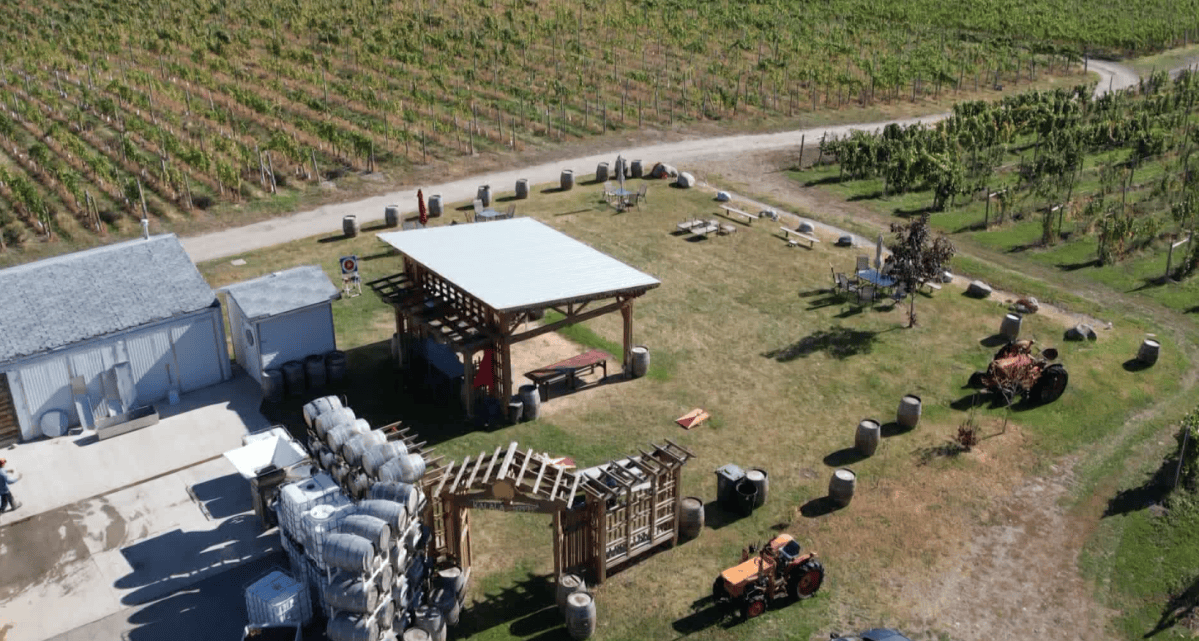
The grapes can still look and taste fine on the vine, but the smoke taste compounds during fermentation, potentially making the crop commercially unusable.
Jeff Guignard, CEO of the BC Wine Growers Association, says that is happening across parts of the Okanagan.

Get daily National news
“Because we’ve had a few climate events, the evaluation they’re doing right now is suggesting the wineries make less and in turn the pay-outs are below the actual operation costs” said Guignard.
“A crop can still be hanging on the vine, but I’ve lost its commercial value if it’s been impacted by smoke,” he added.
And that’s where growers say the insurance model is falling short.
Production insurance uses a grower’s production history to help determine how much they are covered for. But growers say that becomes a problem when several climate disasters happen in succession.
A bad year lowers production.
Then another bad year lowers it again.
And when the grower eventually makes a claim, those previous losses can be part of the historical record used to determine coverage.
Sidhu says that is exactly what worries him.
He says insurance payouts may account for the damaged plant, but not the years of production that are lost while a replacement vine grows.
“I get paid for one year; nobody count that we lose crop for next three years,” Sidhu said. “I get only paid for the plant. That plant come to the fruit takes time, that cost money. And I lose crop from three years from that plant too. Nobody compensate that.”
Sidhu says the difference between the payout and the actual cost can be substantial.
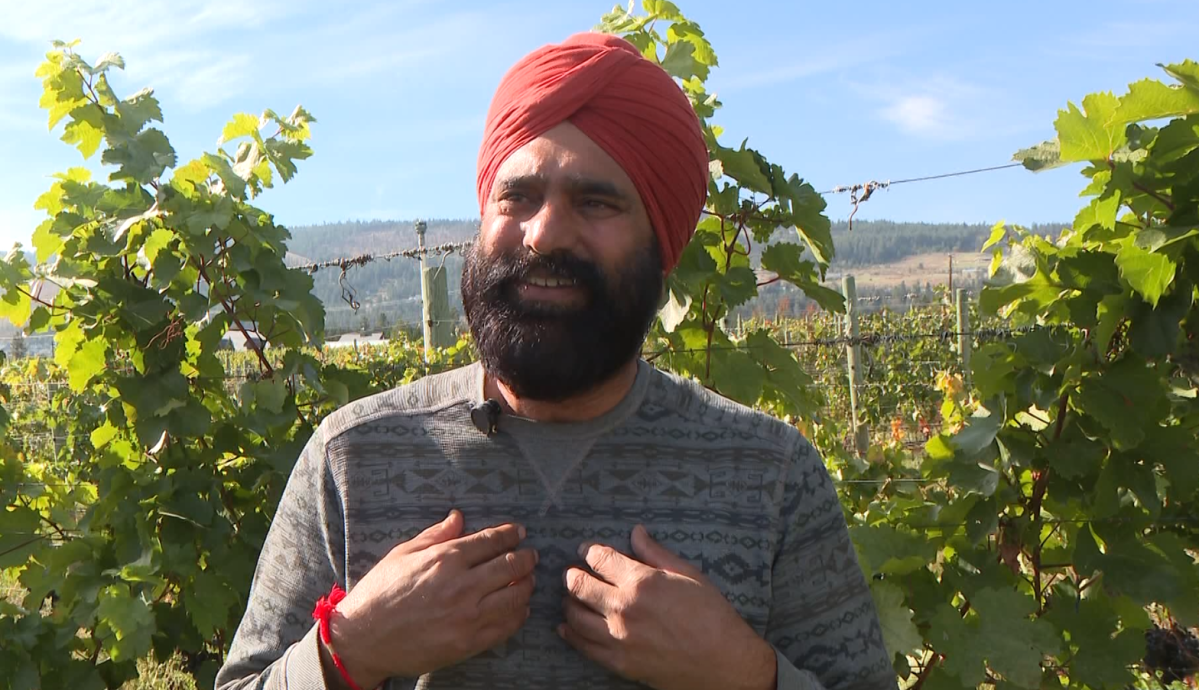
For a damaged plant, he says he may receive around $10 to $12, while bringing a replacement vine to fruit-bearing age can cost more than $50 or $60.
- Simon strengthens into a Category 4 hurricane as it approaches Mexico’s coast
- Isaias weakens but flash flooding threat persist as hundred of thousands grapple with power outages
- Manitoba farmer whose animals were stolen hails new RCMP cattle cops
- Alberta Court of Appeal says Impact Assessment Act is still unconstitutional


Growers also say smoke-tainted grapes can create another financial problem: contracts with wineries can be cancelled when fruit is no longer commercially viable.
And under the production-insurance rules described by growers, grapes that are claimed under the program must be harvested and destroyed rather than being sold for another use, creating additional labour and disposal costs.
Guignard says the issue is ultimately whether an insurance model based on historical losses can keep up with a climate where extreme events are becoming harder to treat as isolated incidents.
“The evaluation they’re doing right now is suggesting historical losses are less reliable at predicting those future claims,” he said.
He says the association wants a transparent review involving growers, with coverage based on current production capacity and risk modelling that reflects changing conditions.
“We need a financially sustainable programme that provides a meaningful protection for our growers so that they can recover from this loss and continue to farm again in the future,” Guignard said.
For Sidhu, there is no easy way around the risk.
He says farmers learn to live with uncertainty, and find other ways to pay the bills when the crop doesn’t come through.
“I have to do something else to pay the bank,” he said. “If I have to drive a cab, I drive a car to pay my payment. That’s how farmers do. They always have something to subsidise that farming.”
Sidhu says he keeps farming because he believes in what he does.
“As a farmer, I think I feel myself the food provider to the people. That gives me satisfaction. We grow something, we give to people.”
But he says if the insurance system does not account for the real cost of recovering from repeated climate disasters, farmers will continue to shoulder the difference.
Global News reached out to the provincial ministry of agriculture and food for comment, but was told that, due to the ongoing election campaign, the government is in a temporary caretaker mode and communications are limited to critical health and public safety information.
For Sidhu, the concern is not simply whether insurance will pay for this year’s damaged crop.
It’s whether the coverage will be enough to make sure there is still a farm here to produce a crop next year.


what a pathetic country has Canada come to. Thought this was India
CLIMATE CHANGES 4 X A YEAR, BEEN GOING ON FOR MILLIONS OF YEARS. NOTHING NEW ! F/ K OFF
Climate change is not the problem and just an excuse for poor farming controls. I grew up on a farm and there were great years and poor years. Some caused by to much rain or not enough rain. Some droughts and some not. That is what living on the land means and to cry that insurance is not helping is just a poor excuse for failing to be a good farmer. Diversifying your crops and products will help carry on those poor years and putting away money on the good years would help carry the farm for those poor years.
The climate will continue to change and will never stop!
Kelowna.Home of the asholes of the planet. But of course, they just opened up 9 pickleball courts
Climate chamge is not an excuse for the incompetence of these farmers