


Alberta Premier Danielle Smith has shuffled her cabinet, including appointing a veteran MLA as the new provincial finance minister, following the resignation Wednesday by former finance minister Nate Horner and hospitals minister Matt Jones.

Both Horner and Jones stepped down from their cabinet posts and said they will not be running in the next provincial election, expected in 2027.

Jason Nixon, with more than a decade of experience in the legislature and was Alberta’s minister of assisted living and social services, is moving to finance.
Nixon’s political career predates the province’s governing United Conservative Party.
He was first elected under the Wildrose banner in 2015. The Wildrose Party and Progressive Conservatives merged to create the UCP in 2017 and formed government two years later.
Nixon has led multiple ministries during his time in office, including serving a stint in finance under former premier Jason Kenney.
Nathan Neudorf is leaving his affordability and utilities portfolio to take over from Nixon as minister of assisted living and social services.

Adriana LaGrange leaves the Preventative Health-Care Ministry to become hospitals minister.

Get daily National news
Former government whip Justin Wright replaces LaGrange as minister of primary and preventative health services, which oversees physicians and primary care.
Tara Sawyer, a former chair of the Grain Growers of Canada, becomes agriculture minister — taking over the job from R.J. Sigurdson who is the new minister of affordability and utilities.
Nixon, the province’s new finance minister, inherits a volatile portfolio largely dependent on global oil prices that have been jolted by the U.S. war on Iran.


This year’s budget forecast a $9.4-billion deficit — the largest since the COVID-19 pandemic.
However, some analysts and business groups have said Alberta’s fortunes could swing into a surplus should oil prices stay high.
Two backbenchers were also given promotions in Thursday’s cabinet shuffle.
Brandon Lunty has also been appointed as the new government whip, while Scott Cyr becomes parliamentary secretary for transportation.
While the cabinet shuffle was necessitated by the resignations of Horner and Jones who said they don’t plan to run again and want to give their successors a chance to grow in their jobs before the next election, Mount Royal University political scientist Duane Bratt said that may not be the real reason for their departure.
“I think there’s a through line going through here. You add in Rebecca Schultz, who had previously left. Rumors are ripe that Rajan Sawhney is leaving as well. The fact that she missed the MLA committee yesterday, I think, speaks to that,” said Bratt.
“What do all of those people have in common? Well, with the exception of Horner, they’re all urban cabinet ministers. The other is that they’re strong opponents of separatism. They’re the ones that are leaving. So yeah, it’s possible that they’re spending more time with their family and they were only gonna be here for one term and all of that, but when we see the same type of people leaving, you ask yourself why,” Bratt added.
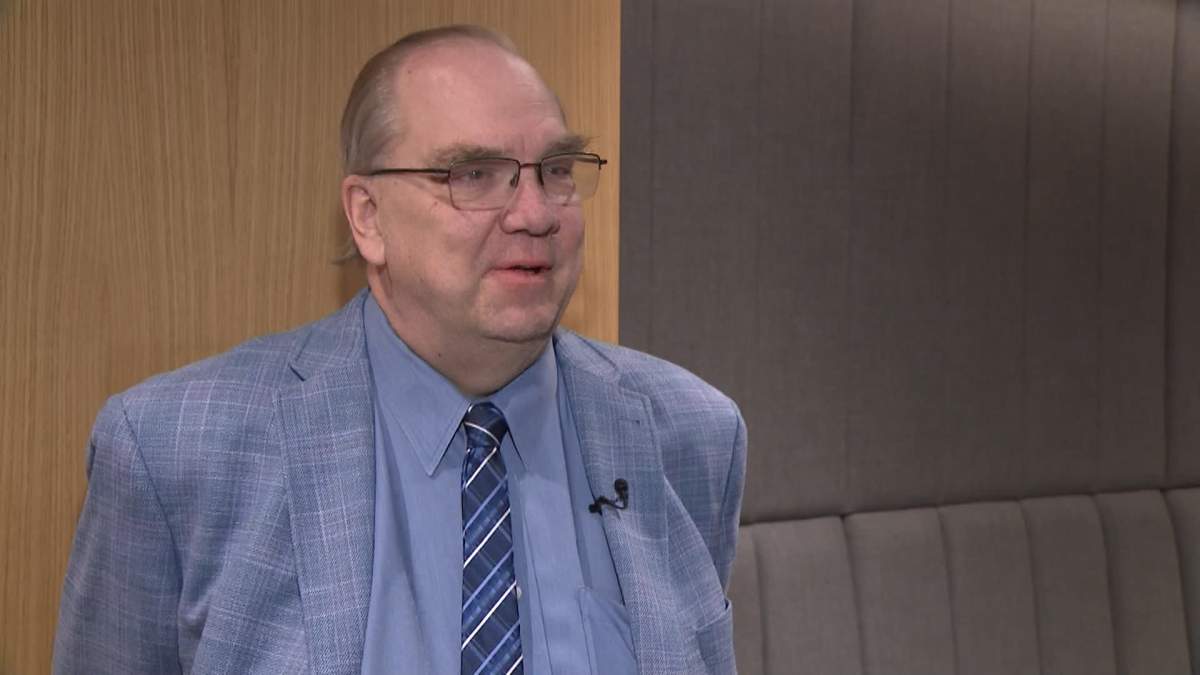
The leader of Alberta’s opposition NDP, Naheed Nenshi, responded to news of the cabinet shuffle by saying it “does nothing for Albertans.”
“It’s still the largest cabinet in Alberta history. It’s doing nothing about the cost-of-living crisis. It’s not creating jobs for the future — and it’s destroying public services,” Nenshi added.
“It still has four health ministers overseeing the destruction of public health care.”
“It still has an energy minister allowing for coal mining in the eastern slopes (of the Rocky Mountains). The Indigenous relations minister that recently had every First Nations Chief vote non-confidence in this government is the same. And it still has a municipal affairs minister that is hiring library inspectors,” Nenshi added.

— With files from Lisa Johnson, The Canadian Press


Guess they couldn’t stand that smelly cnt anymore
Smith I keep saying go back to your mother country b
🙄
The way Jason Nixon has impacted both seniors and people with disabilities has been incredibly concerning. I understand the decision to shuffle him into a different portfolio may be an attempt to reduce public attention on these issues—it’s a common political tactic.
There has been significant concern around changes affecting the **Assured Income for the Severely Handicapped (AISH)** program. One of the most troubling reports is that housing costs for some recipients have effectively increased by around $220 per month, placing additional strain on individuals who are already struggling with the rising cost of living.
Looking ahead, there is also concern about the transition toward the proposed **Alberta Disability Assistance Program (ADAP)**. Under this model, some individuals may see reductions of approximately $200 in essential income supports, including funds intended for basic needs like groceries. In addition, there are concerns that the allowable earnings threshold may be reduced from about $1,024 per month under AISH to approximately $700, with stricter rules or penalties related to earned income.
For seniors, there have also been reported changes and proposals affecting housing and support programs, including the **Alberta Seniors Benefit (ASB)** and related housing assistance. Some of these changes appear to significantly increase housing-related costs or reduce available protections, with figures in some cases rising from around $1,000 per month to as high as $1,700, depending on eligibility and program structure.
The role of government is to balance many competing priorities, but when policy decisions begin to significantly affect the most vulnerable, it raises serious concerns about whether that balance is being achieved.
I don’t naturally align with voting for the NDP, but I find myself reconsidering that position out of concern for friends, family, and others who rely on these supports. It’s difficult to accept that reductions of several hundred dollars per month in disability or income support are being treated as manageable, especially at a time when living costs continue to rise sharply.
Nixon the bum
It doesn’t look like Smith’s UCP wants the Progressive Conservatives in, but it looks like she’s between a rock and a hard place.
Alberta was the birthplace of the Reform party , which was a separatist based group. The spinoffs, the Alliance, then they hood-winked Peter McKay into letting them merge into a Conservative party and sure Harper had some success, but now they are looking like they want, the Reform faction out and a Progressive Conservative party back. What was Smith, a Wild Rose DJ then they merged with the PCs and became UCP . And they seen to be falling apart too’. But it all leads back to the original Reform separatists, and their agenda alienated voters.