


Quebec Liberal Party Leader Pablo Rodriguez has resigned amid a crisis involving allegations of vote-buying and reimbursed donations during the leadership race he won in June.

Rodriguez announced his decision to the Liberal caucus during a virtual meeting held Wednesday afternoon. A member of the legislature present at the meeting, who did not want to speak publicly, confirmed the resignation to The Canadian Press. Rodriguez is expected to make his decision public on Thursday.
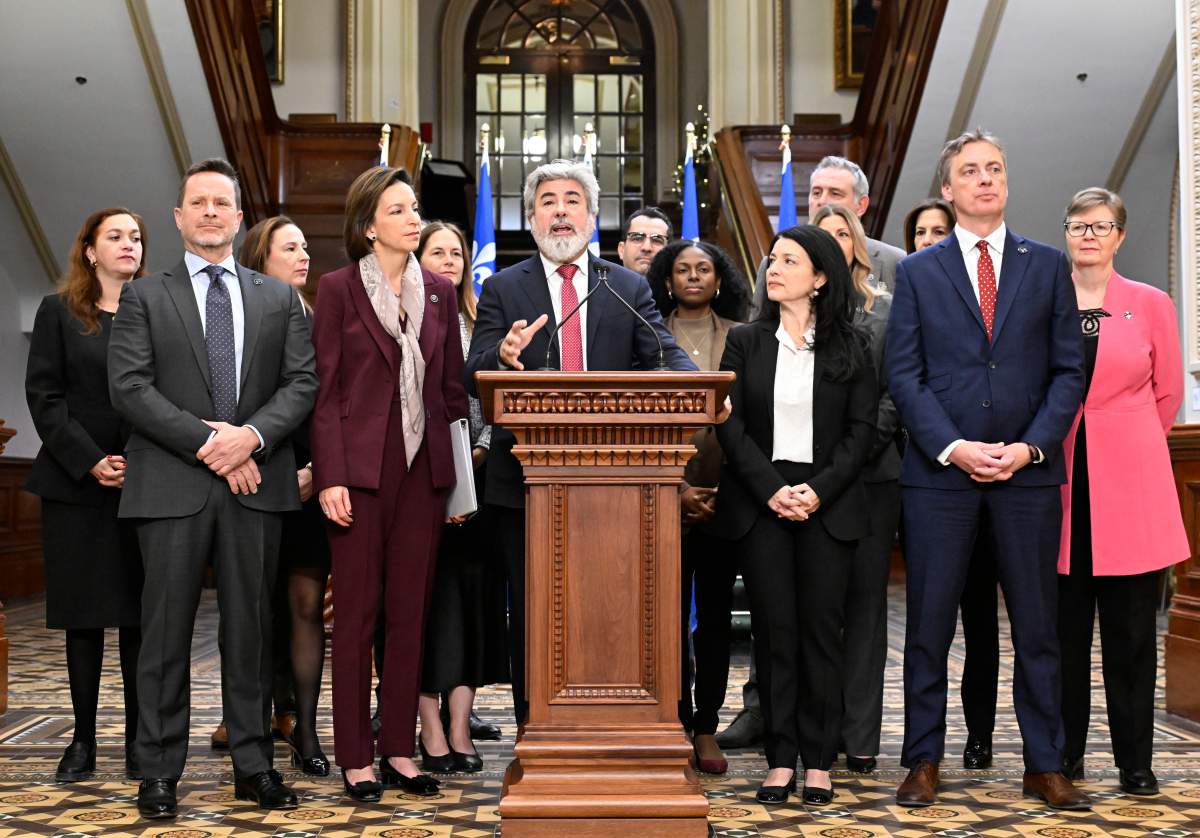
The former federal cabinet minister, who had hoped to restore the Liberals to power in next year’s election, cast his party as the only viable alternative to the sovereigntist Parti Québécois and the only sure way for Quebec to avoid a third referendum on independence in the next four years. But he proved unable to overcome the crisis that had consumed his party for the last month.
After Quebec’s anti-corruption police announced a criminal investigation of the party last week, prominent Liberals began openly calling for Rodriguez to step aside.
Many details of the controversy remain unclear, though there are now multiple investigations focused on the leadership race that Rodriguez won with 52 per cent of the vote.

Rodriguez’s decision to resign comes following a Tuesday report in Le Journal de Montréal claiming that around 20 donors to his leadership campaign received envelopes containing $500 in cash to reimburse their donations during a fundraising event in April. The allegations appear to be a violation of Quebec’s Election Act, which states that all contributions “must be made voluntarily, without compensation and for no consideration, and may not be reimbursed in any way.”

Get breaking National news
Rodriguez’s campaign has said he had no knowledge of money changing hands.
With less than a year until Quebecers go to the polls, questions quickly turned on Wednesday to a possible successor. A source close to Charles Milliard, who finished second to Rodriguez during the leadership race, told The Canadian Press the former candidate is “getting a lot of calls and is considering it.” Karl Blackburn, the third-place finisher, has also expressed interest.
Federal Finance Minister François-Philippe Champagne, who was courted during the last leadership race, told reporters Wednesday he’s not interested in making the leap to provincial politics. “I think that my way of serving Quebec and Quebecers has been to bring my voice to Ottawa,” he said.
The Liberal caucus was first thrown into turmoil in November after former parliamentary leader Marwah Rizqy fired her chief of staff without consulting Rodriguez. He later expelled her from the caucus, saying she had not explained her reasons to him and had lacked loyalty.
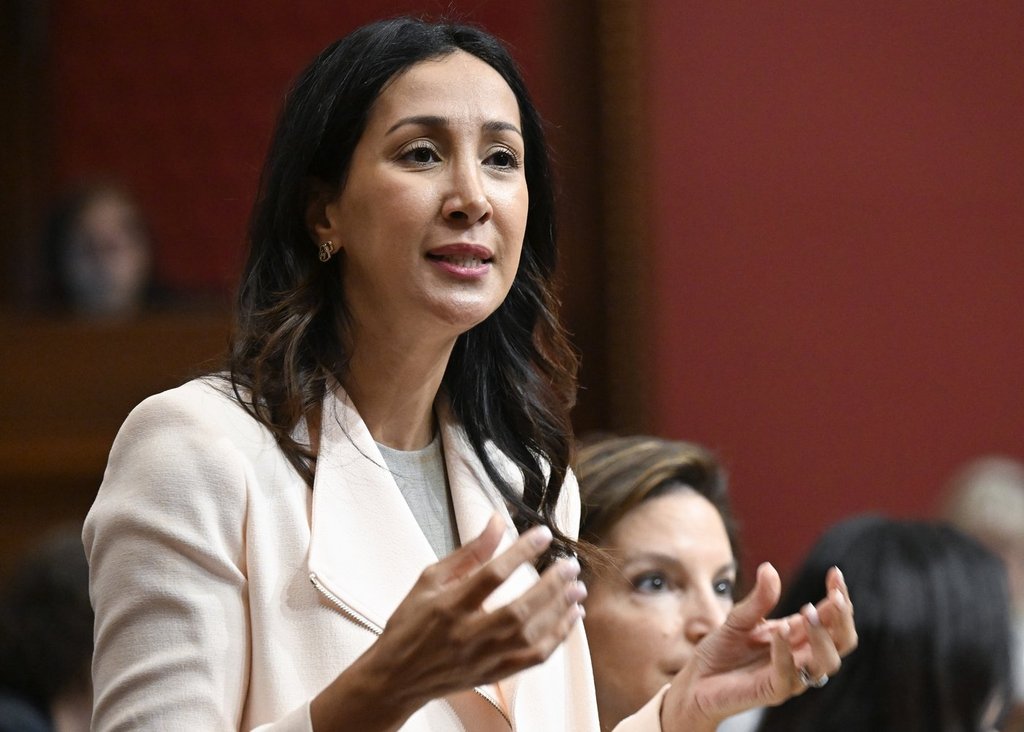
Rizqy has not publicly explained her decision, saying it is a human-resources matter. On Wednesday, she published a short statement saying she is not interested in running to replace Rodriguez as leader.
Shortly after Rizqy dismissed her chief of staff, Le Journal de Montréal published text messages suggesting some party members who had voted for Rodriguez in the leadership race could have received cash rewards. It’s unclear whether the two stories are connected.
Rodriguez later removed a second Liberal member of the legislature from his caucus because of an investigation by Quebec’s ethics commissioner. The office of the ethics commissioner had said it would examine whether Sona Lakhoyan Olivier used resources from her constituency office for partisan purposes during the leadership race.
- B.C. property tax expert warns seniors about changes to deferral program
- Richmond mayor asks Cowichan Nation to put intentions in writing after ruling
- Soaring gas prices prompt renewed calls for government fuel tax relief
- Toronto transit union raises concern about plans for fare, schedule integration


Montreal radio station 98.5 FM named Lakhoyan Olivier as one of the two people behind the text messages reported last month by Le Journal de Montréal, but she has denied that claim and has sent a legal letter to station owner Cogeco.
The Canadian Press has not verified any of the allegations about the leadership race.

A turning point in the controversy came last week, when Quebec’s anti-corruption police force confirmed it had opened a criminal probe of the party, though the unit did not offer details. The Liberal caucus continued to back their leader publicly, but well-known Liberals outside the legislature began calling on Rodriguez to put the party ahead of his personal interests and step aside.
Before his resignation, Rodriguez had said he welcomed the investigations, and had insisted he had nothing to hide. He had also asked a retired judge to investigate the claims.
The Quebec Liberals have been in the political wilderness for years, with dismal polling among francophone voters. Rodriguez, who left a long career in federal politics in September 2024 to seek the provincial leadership, pitched himself as an experienced politician and a unifier who could restore the party’s popularity.
Quebec’s next election must be held by October 2026, though it could be called earlier. The PQ has been leading in the polls for two years, as support for the governing Coalition Avenir Québec, led by Premier François Legault, has collapsed. PQ Leader Paul St-Pierre Plamondon has promised to hold a referendum by 2030 if elected.
This report by The Canadian Press was first published Dec. 17, 2025.
— With files from Caroline Plante in Quebec City and Craig Lord in Ottawa

-
![]() Quebec Liberals want media to release names in anonymous text messages
Quebec Liberals want media to release names in anonymous text messages -
![]() Marway Rizqy kicked out of the Liberal Party
Marway Rizqy kicked out of the Liberal Party -
![]() Quebec Liberal MNA suspended from caucus, stripped of leadership duties
Quebec Liberal MNA suspended from caucus, stripped of leadership duties -
![]() Quebec Liberal leader calls for external probe into report on cash for votes
Quebec Liberal leader calls for external probe into report on cash for votes -
![]() Ousted chief of staff fires back at Rizqy
Ousted chief of staff fires back at Rizqy -
![]() UPAC opens investigation into Quebec Liberal Party over allegations of corruption
UPAC opens investigation into Quebec Liberal Party over allegations of corruption




Comments
Want to discuss? Please read our Commenting Policy first.