


The Alberta government has announced the creation of three new all-season resort areas in the province that it claims could create thousands of jobs and billions of dollars in other economic benefits.

While there are already all-season resorts in Banff and Jasper National Parks, the designation of Castle, Fortress and Nakiska as all-season resorts will be the first ones on provincial lands in Alberta.
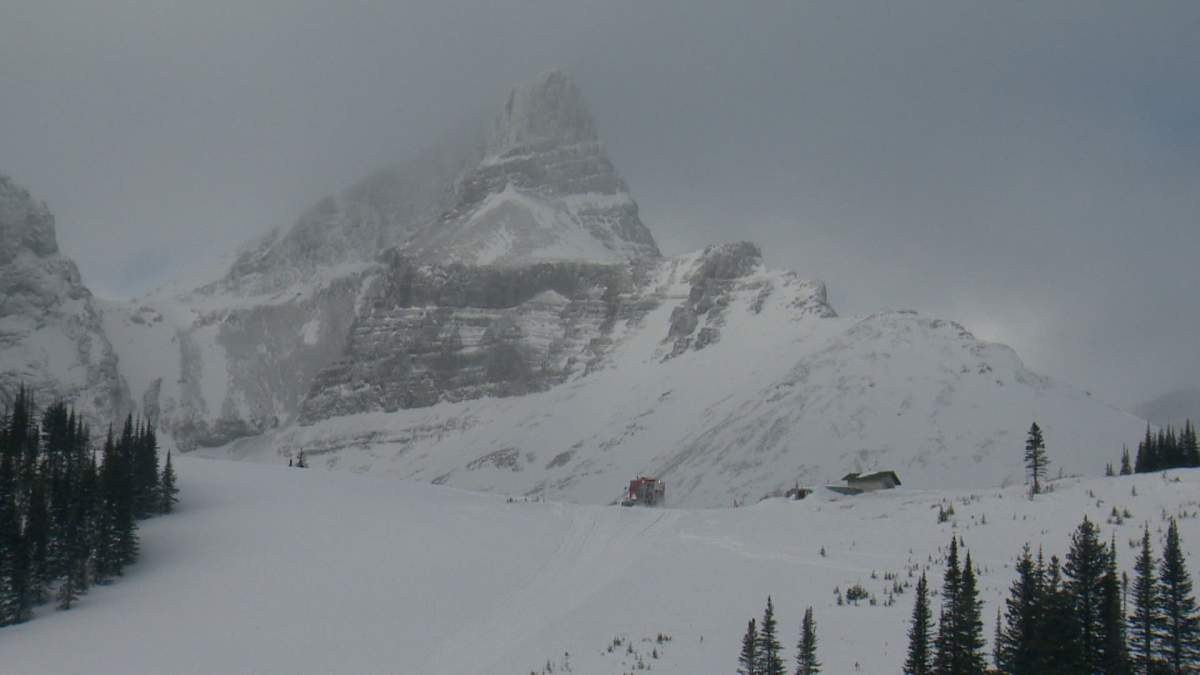
As part of the change in designation, the boundaries of some provincial parks have also been adjusted.
Alberta’s Minister of Tourism and Sport, Andrew Boitchenko, announced the changes during a news conference in Edmonton on Wednesday.
Boitchenko claimed the changes will remove red tape that has restricted the resorts to winter operations and limited their ability to make facility upgrades or simply maintain existing facilities.
He said the new all-season resorts could also help reduce some of the pressure from the recent boom in visitation to the national parks by providing alternative recreational opportunities such as “hiking, mountain biking, zip lining and authentic Indigenous opportunities.”

Get daily National news
However, any future developments, he claims, will be subject to environmental impact assessments and must must meet all existing environmental standards.
“To be clear, designation is not approval of development. It is just a start of the regulatory process,” said Boitchenko.
“Prospective project proponents can now begin public engagement, Indigenous consultation and submit a proposal to a regulator. Each proposal will be carefully reviewed by the regulator with input from subject matter experts and affected municipalities in the area.”
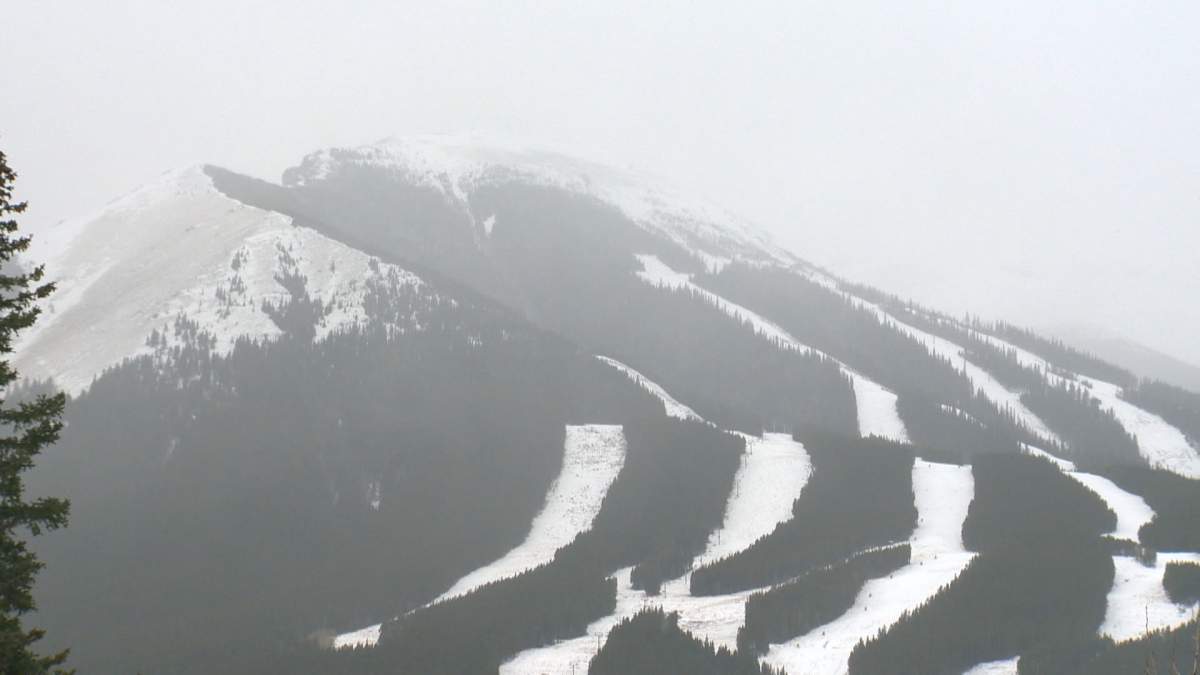
Jay Vaughn, owner of the sporting good store, Mountain Cultures, calls the news “super exciting.”
“Just for those resorts to be able to operate year round, just like they do in B.C. I spent 25 years skiing in Whistler every summer, so I mean I would love to be able to do that in Alberta. We used to mountain bike and ski all summer. It’d be really cool to be able to do that in Alberta,” said Vaughn.
“I don’t know how much it would help us on the ski side of things because we don’t sell bicycles, but I just think just people getting out and using those resorts year round is a bonus for everyone,” added Vaughn.
However, the announcement has also prompted concerns from environmentalists and wilderness advocates.
“We’ve seen things like the Kananaskis Conservation Pass be introduced specifically to address unsustainable pressures from user visitation. The worry is that concentrating more human use in this area will lead to further declines in the environment,” said Kennedy Halvorson, a conservation specialist with the Alberta Wilderness Association.
“Right now, the government sees about 5 million people visit the Kananaskis area (and) we are seeing our highest use in the summertime. So by expanding them into all seasons, it would increase use in the summertime where we already have our highest amount of use.”

Halvorson is also concerned about the impact on wildlife populations.
“By increasing the footprint, it reduces the amount of habitat they have, but it also pushes them kind of into the peripheries of their own habitat, and then more human use on the landscape increases the chance we get increased human wildlife conflict. And that can result in really poor outcomes for both humans and wildlife,” added Halvorson.
Over the next decade, the provincial government estimates, designating Nakiska, Fortress and Castle as as all-season resort areas has the potential to create 24,000 new jobs, generate $4 billion in visitor spending and increase the provincial GDP by $3.6 billion.
Comments