


The maker of Sour Puss liquor is shifting production from Minnesota to Quebec in what one trade expert calls a small but meaningful win for Canada in its ongoing trade dispute with the United States.

Phillips Distilling Company, based in Minnesota, has signed a five-year deal to produce the colourful sweet-and-sour beverage in Montreal after several provinces stopped stocking certain American-made alcohol products in response to U.S. trade actions.
Sour Puss, long a fixture in Canadian bars since the late 1990s, saw its Canadian sales abruptly cut off last spring when provincial liquor boards halted orders. Andy England, the company’s CEO, said the move put nearly all of the brand’s business at risk.
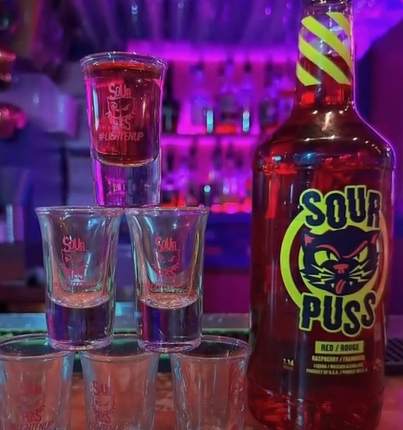
“The vast, vast majority — about 98 per cent — is sold in Canada,” England told Global News in an interview Friday. “In many ways, we think of it as being a Canadian brand. All the more reason we should produce it in Canada now.”
England called the period following the provincial pullbacks amid the Canada-U.S. trade war “not good,” noting Phillips sold roughly $23 million worth of Sour Puss in Canada last year, compared to negligible sales in the United States.

Get daily National news
He said the company concluded it had to move production north of the border to survive.
“The situation has clearly upset Canadians, and the provinces clearly want to buy liquor that’s made in Canada,” England said. “Message received and understood. We’ve moved to Canada and are proud of it.”
The Minnesota-based distiller kicked off production of Sour Puss at Montreal’s Station 22 distillery in the city’s east end for the Canadian market on Wednesday.
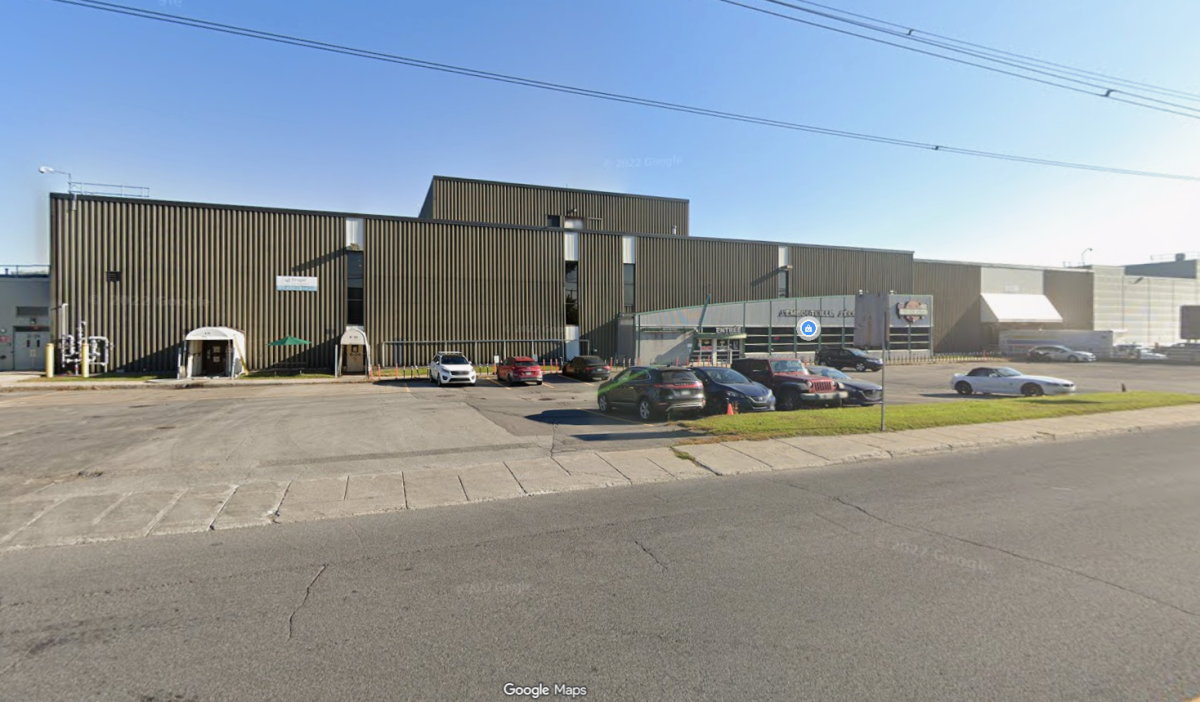
Julian Karaguesian, a trade expert at McGill University, said the shift is a modest but symbolically important victory for Montreal and the country. The move represents a rare win for Canadian manufacturing amid the tariff spat that has seen automakers and others announce plans to move some production to the U.S.
With Ontario recently criticizing Crown Royal for closing a facility in the province and longstanding concerns about Canadian manufacturing jobs flowing south, he said it offers a rare bright spot.


“I have no idea if there will be a trade agreement, if it will include tariffs, and if it will only last six months,” England said. “One of the most important things for us is stability.”
Before trade relations soured, about 13 per cent of the production output across brands at the Phillips Distilling plant in St. Paul, Minn., flowed to the Canadian market, he said.
The move to Montreal lowers transportation costs and makes it easier to adapt to Canadian consumer preferences. England gave the example of ready-to-drink alcoholic beverages — canned cocktails or hard seltzers, for example — a segment that is gaining popularity in Quebec.
The company plans to roll out a ready-to-drink product under the Sour Puss brand early next year.
“We probably wouldn’t have been able to launch such a product without Station 22, because we don’t have a can line at our Minnesota plant,” England said.
He said Phillips is now waiting for provincial liquor boards to resume orders.
The LCBO says it is in “active discussions” with the supplier, while Quebec’s SAQ did not respond to a request for comment.
For the full story, watch the video above.
–with files from the Canadian Press

-
![]() Canada-U.S. trade war: Nova Scotia extends branches of goodwill to Boston
Canada-U.S. trade war: Nova Scotia extends branches of goodwill to Boston -
![]() Carney says U.S. trade policy is ‘radically different’
Carney says U.S. trade policy is ‘radically different’ -
![]() Moncton bar owner says he’s facing red tape when buying alcohol from other provinces
Moncton bar owner says he’s facing red tape when buying alcohol from other provinces -
![]() Canada’s economic strategy to “dramatically” change after rupture with US trade ties: Carney
Canada’s economic strategy to “dramatically” change after rupture with US trade ties: Carney -
![]() Canada-U.S. trade war: Sour Puss Liquor shifts production from Minnesota to Montreal
Canada-U.S. trade war: Sour Puss Liquor shifts production from Minnesota to Montreal




Comments
Want to discuss? Please read our Commenting Policy first.