

The Curator independently decides what topics and products we feature. When you purchase an item through our links, we may earn a commission. Promotions and products are subject to availability and retailer terms.

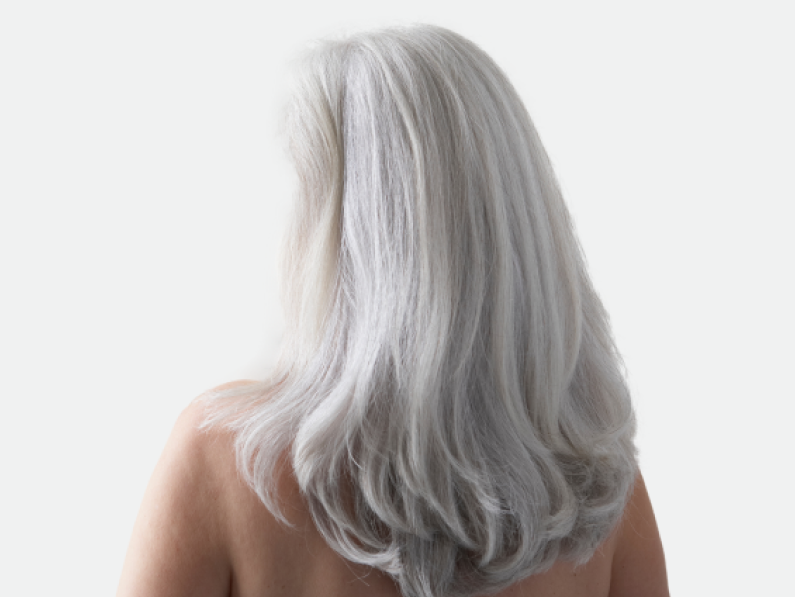
Hair changes are often treated like a sudden surprise–one day you spot a few extra strands in the shower drain or *gasp* notice a silvery strand at your temple. But the truth is, thinning, shedding and greying rarely happen overnight. In fact, they’re often subtle signs of hair aging that begin long before they’re even visible.
While men’s hair loss tends to follow a predictable pattern, women’s hair concerns are far more layered. Hormones, stress, genetics, nutrition and even scalp health can all play a role in how hair evolves over time. And as conversations around skincare have become more sophisticated, the beauty world is starting to apply that same thinking to hair. Enter the “skinification” of the scalp.
“Many people don’t realize that your scalp is really an extension of your skin, just with more hair follicles and sebaceous glands,” explains dermatologist and Nioxin partner Dr. Jenny Liu. “You really can’t have good quality or density of hair without taking care of the scalp first.”
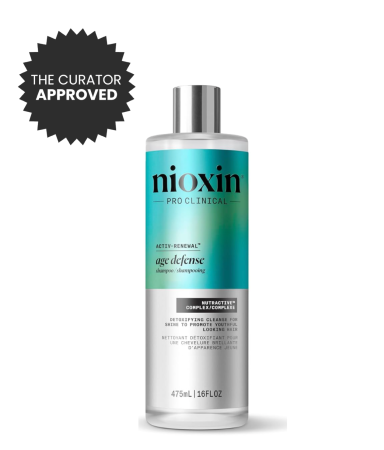
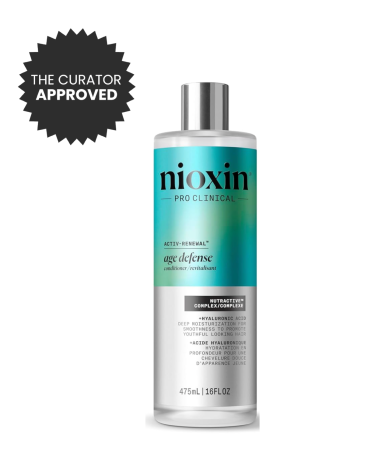
To address these evolving concerns, the brand recently launched its Age Defense collection, designed to tackle the three most common signs of hair aging: thinning, dullness and greying. Ahead, experts break down what’s actually happening beneath the surface–and what you (and the products you use) can do about it.
Why hair thins and sheds over time
If you’ve noticed more strands on your brush, you’re not alone. Hair thinning and shedding are incredibly common, and often connected to everyday stressors.
“In dermatology we actually have a term for stress-related shedding called telogen effluvium,” says Liu. “Stress can be many things–from illness or surgery to postpartum changes, nutritional deficiencies or even lifestyle factors.”
The key thing to remember: shedding is part of the hair’s natural life cycle. On average, people lose about 100 to 150 hairs per day.
“When you wash your hair and see strands coming out, people think shampooing is causing the hair loss,” Liu explains. “But usually those hairs were already in the shedding phase–they were just caught in the rest of your hair.”
In fact, skipping washes for prolonged periods can sometimes make things worse. Oil buildup on the scalp–aka sebum–can contribute to inflammation and oxidative stress, which may affect the health of hair follicles over time.

The real reason hair turns grey
Spotting your first grey hair can feel like a milestone, but the science behind it is surprisingly complex.
Hair gets its colour from pigment-producing cells called melanocytes. Over time, these cells become less efficient at producing melanin, the pigment responsible for hair colour.
“You can think of melanocytes as cells that gradually lose their ability to repair and regenerate with age,” Liu says. “When that happens, less pigment is produced—and we see that clinically as grey hair.”
Genetics play the biggest role in when greying begins. But environmental factors can also accelerate the process.
“Oxidative stress is one of the major causes of premature greying,” explains cosmetic chemist Krystal Ajaegbu. “Free radicals essentially distract your body from doing what it’s supposed to do.”
Translation? The same factors that age skin–like UV exposure, smoking and chronic stress–can also speed up the hair-aging process.
You may also like:
Kitsch Satin Heatless Curlers Set – $17.59
Moroccanoil Treatment Hair Oil – $26
Dove Derma Scalp 3-in-1 Scalp Moisture Serum – $42
The early signs you might be missing
Interestingly, greying doesn’t always begin with visible white strands.
“One of the earliest signs can actually be changes in texture,” says Ajaegbu. “Melanin is connected to the structural integrity of the hair. When there’s less melanin being produced, the hair can become more coarse or brittle.”
Other subtle clues that occur years before full greying sets in include:
- Loss of shine or dullness due to the slowing of melanin production
- Changes in density or volume due to the effects of oxidative stress on the follicle
- Increased dryness or breakage also due to melanin depletion
Why scalp care matters more than you think
If the skincare boom taught us anything, it’s that prevention often matters more than correction. The same philosophy now applies to hair.
“Hair is something that’s very personal,” Liu says. “Even a small amount of hair loss can be traumatic for someone. But many people focus only on the hair strand itself, which is technically dead. The real growth happens beneath the scalp.”
That’s why more brands like Nioxin are developing formulas designed specifically for the scalp environment.

Can greying actually be reversed?
This is the million-dollar question, and the answer is nuanced.
Once a hair strand has grown out grey, its colour won’t change. But new growth from the follicle may still have pigment if the melanocytes are functioning.
“The hair that has already grown out grey will remain grey,” Ajaegbu explains. “But what you may see over time is new growth coming in with pigment again.”
The best candidates for improvement tend to be people who are just beginning to see greys.
“The population we studied had around 10 to 30 percent grey hair,” Ajaegbu says. “That’s when the follicles still have the capacity to produce melanin–they may just need support.”
A new approach to hair aging
Ultimately, experts say the goal isn’t necessarily reversing time–it’s supporting healthier hair as it changes.
“I’m seeing more patients come in acknowledging greying but wanting to embrace it while still caring for their hair,” Liu says. “The conversation has shifted from trying to completely reverse aging to supporting stronger, fuller hair overall.”
And compared to just five years ago, the conversation around scalp health has evolved dramatically.
“We really didn’t have this discussion before,” Liu adds. “But now people are starting to understand that caring for your scalp is just as important as caring for your skin.”
Which means the future of haircare might look a lot more like skincare than we ever expected.
More products for healthy hair:
The hair re-growth hero

The scalp stimulator
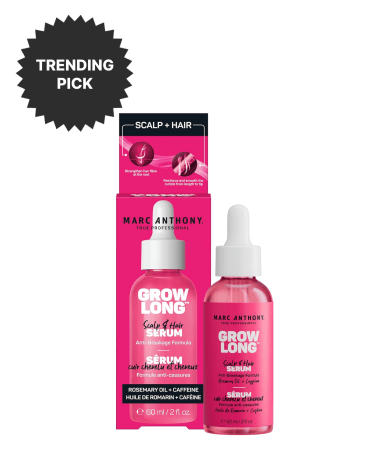
The viral anti-breakage serum
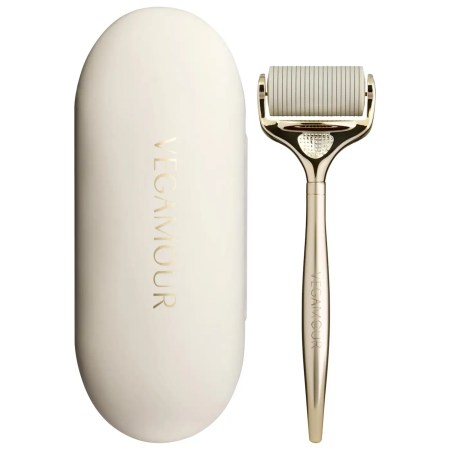
The high-tech hair growth gadget

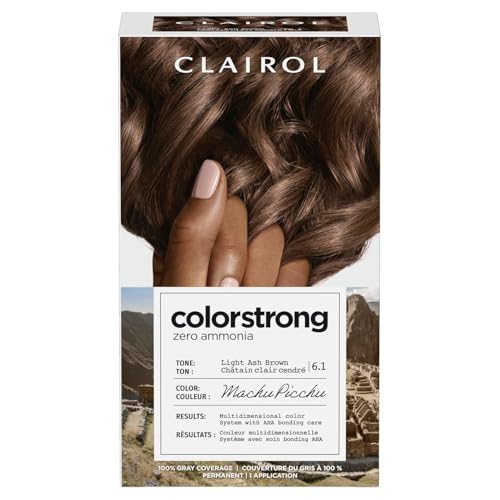
The hair-loving hair dye
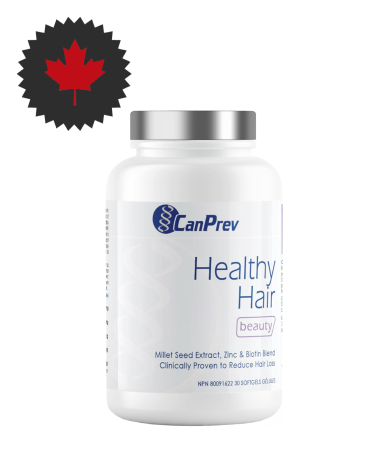
The potent hair supplement
You may also like:
Kitsch Hair Scalp Massager – $7.19
Mulberry Silk Pillow Case – $12.67
Shea Moisture Hydrate + Repair Protein Power Hair Treatment – $14.47


Comments
Want to discuss? Please read our Commenting Policy first.