


WATCH: 70 years after his plane went down in Belgium, a BC-born soldier has finally been laid to rest in Trail. Grace Ke has more on his final journey home.

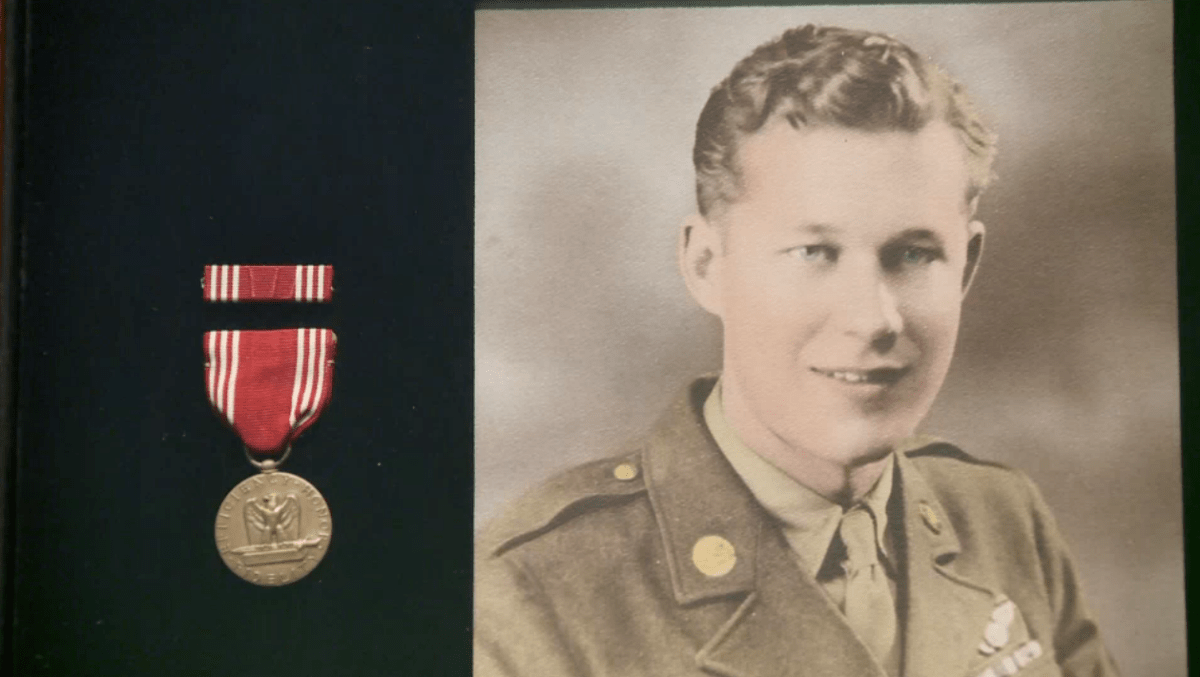
For the relatives of Eric Honeyman, his funeral in Trail, B.C. wasn’t just a family reunion: it was the end of a 70-year mystery.
“It is just wonderful,” said Marnie Matthews about the return of her cousin’s remains. “All of our lives, we never knew what happened to him.”
Honeyman, who was shot down by the Nazis during the Battle of the Bulge in 1944, was given a full military funeral on June 22; the culmination of nearly a decade of work in finding, identifying, and bringing his body home.
“This is such an opportunity to have a Honeyman reunion and honour one of us, who as a young man, went off and I am sure was hoping to come home,” said Matthews.
Eric Honeyman was born in Nanaimo in 1923. His family moved to the United States at a young age, and Eric enlisted for the U.S. Army when they entered WWII.
“We know that his parents could never ever speak of him without tears in their eyes, and we know he was a hero,” said his cousin Scott Honeyman, his oldest living relative.


He was last heard from on Dec. 23, 1944, and was part of the U.S. Army Air Forces’ 397th Bomb Group. They were attempting to take Ellers railway bridge over the Moselle River. Eric was stationed on the bomber Hunconscious, a B-26 Marauder, with five other men. He was a toggler; it was his job to drop the plane’s 1,000-pound bombs.

Get breaking National news
During the battle, ten planes were shot down, including the Hunconscious.
The bridge was eventually taken. Nine of the planes were found. But the fate of the Hunconscious—and of Honeyman—remained a mystery. Until 2006.
“One of them looked down and saw a tiny shred of khaki uniform with the initials E.H. and four numbers on it. He happened to know a guy named Danny Keay, still a sergeant in the U.S. Army. Danny has always been fascinated with what happened during the war. He did a freedom of information request and discovered that this shred could well be Eric’s laundry tag.
“That led them to believe that possibly this was not Banknight Betty, it might be the long-lost Hunconscious.”
From there, the veterans group History Flight started an excavation of the plane. The army took over once remains were found. A two-year excavation and DNA-testing process followed. They were eventually able to confirm they had found Eric’s remains.
“After 70 years, it’s amazing to me that cadaver dogs can still do this – find human remains,” said Scott.
“It’s a tribute to the United States that there are still 75,000 missing from the Second World War, and they’re still looking for all of them…They believe that they need to bring their men home.”
Eric’s remains arrive in Castlegar on Saturday, where they will receive a formal receiving line. On Monday, a full military funeral, complete with a chaplain, nine-man honour guard and 21-gun salute took place at a Trail cemetery.


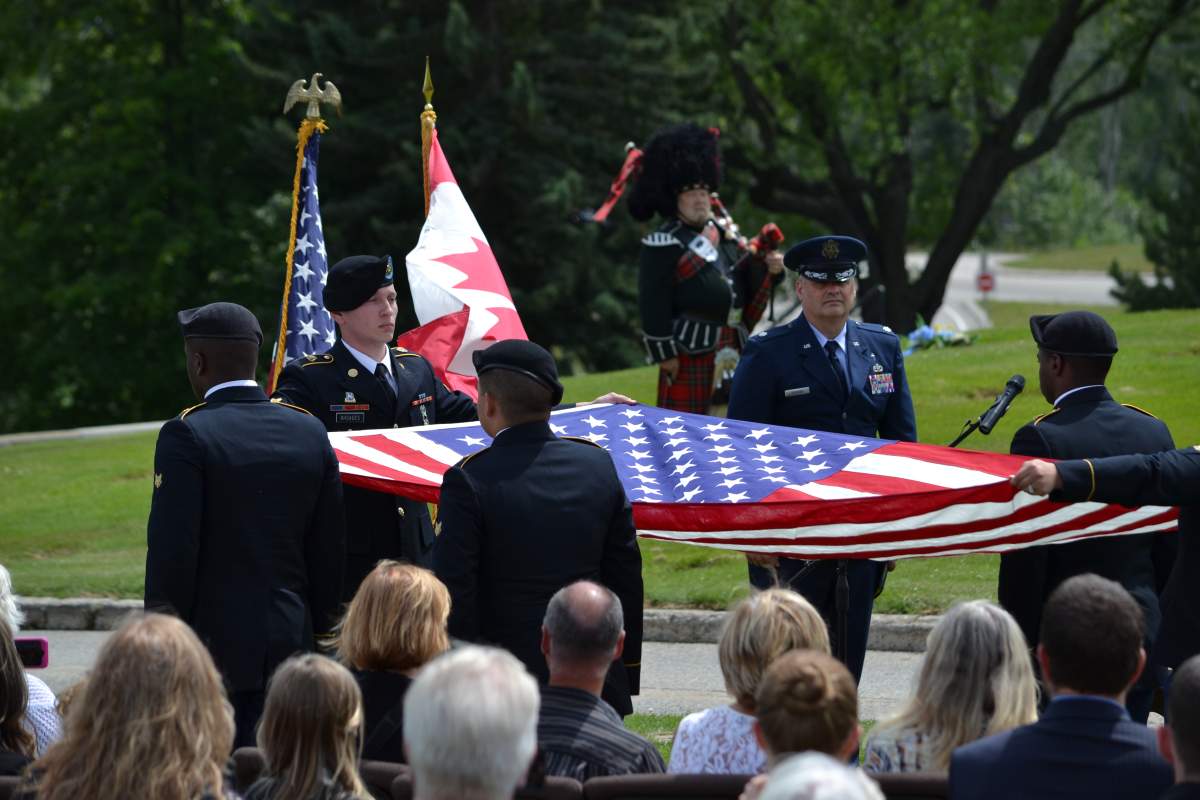

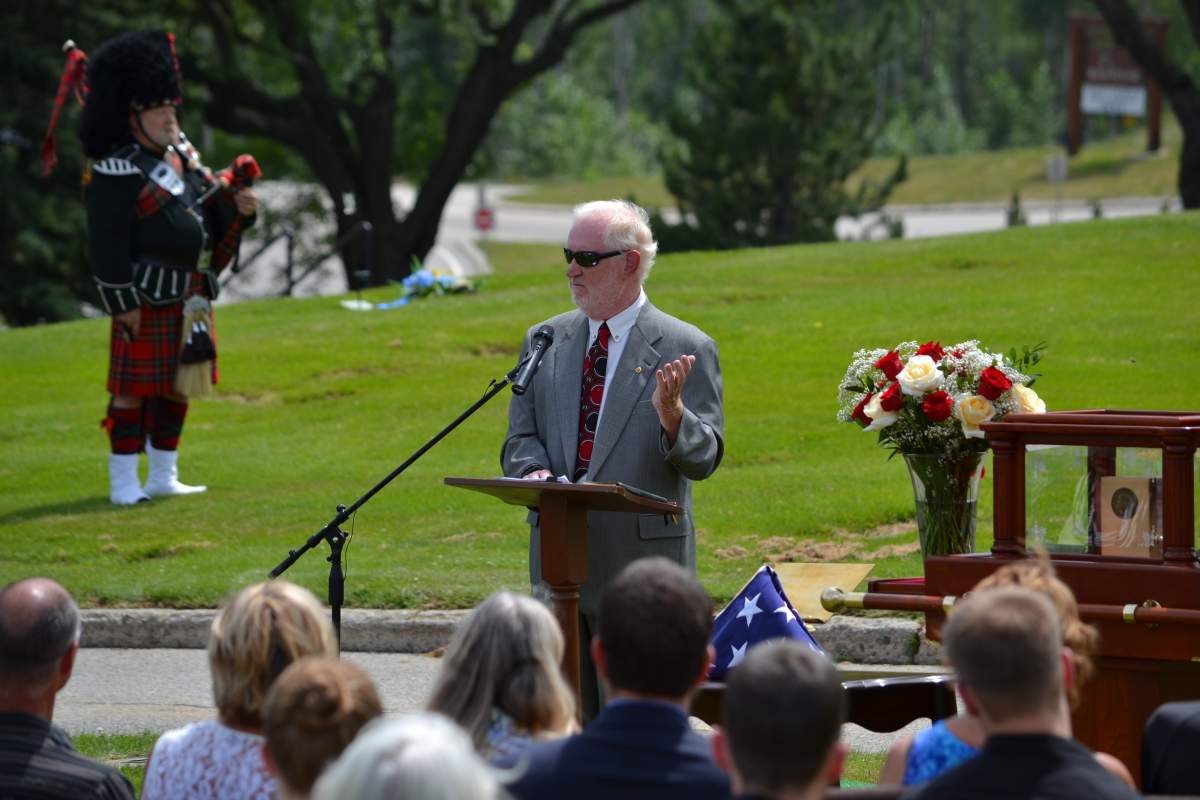

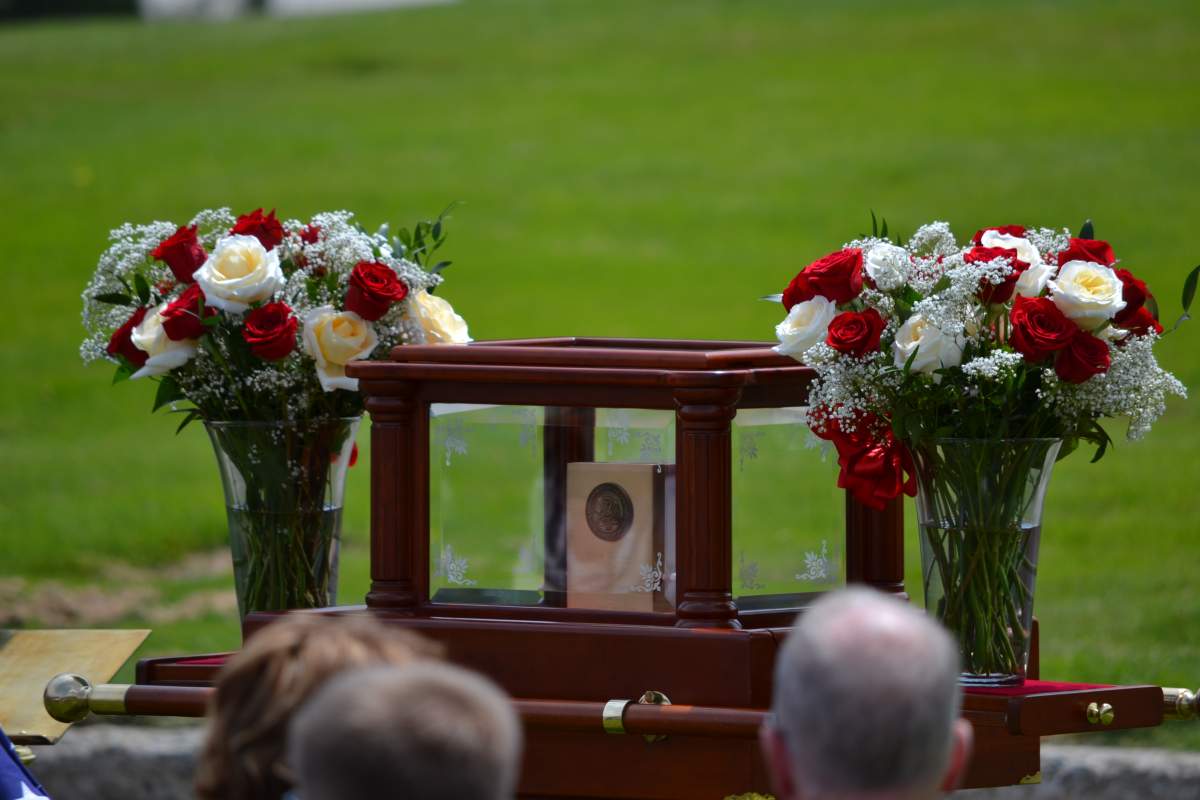

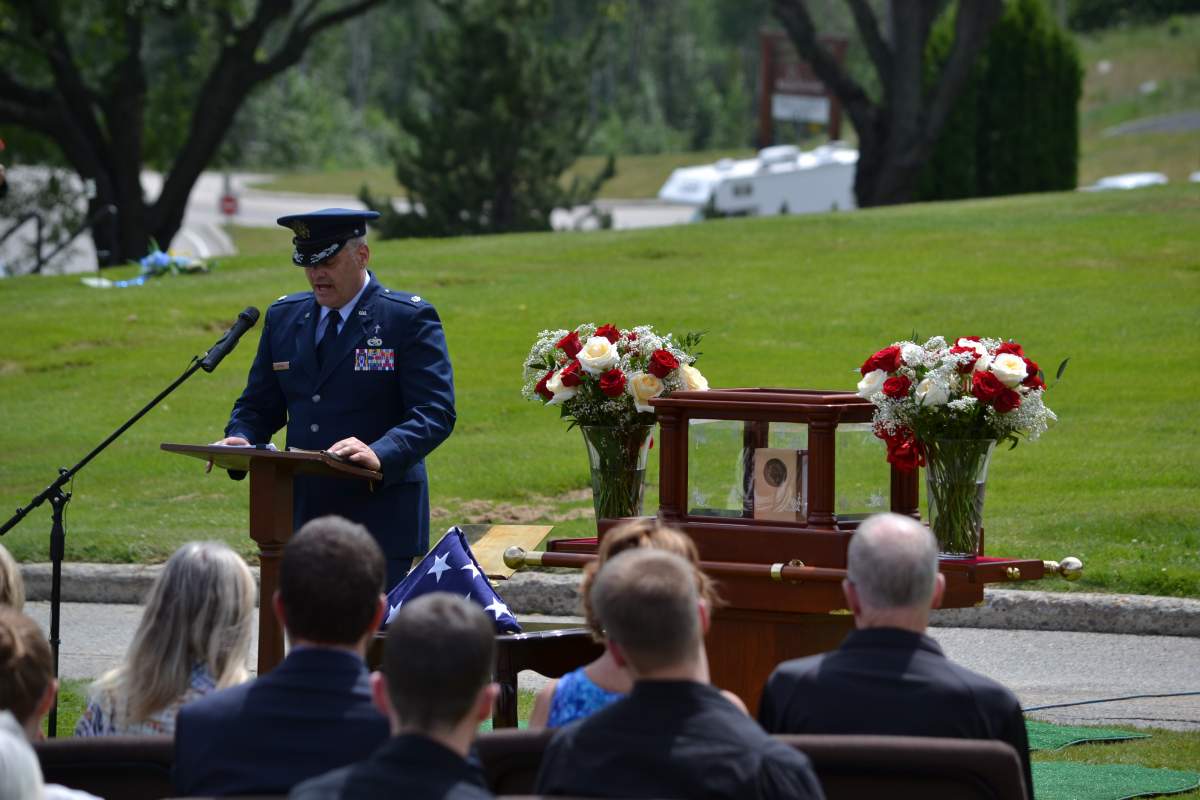
“Eric’s parents, Bella and Eddy, their bodies were donated to science so there isn’t a grave. There is nowhere for him to go be with his parents, so why not bring him home with his family? It is just really special and meaningful.”
Comments