

WASHINGTON – Drug and medical device maker Abbott Laboratories reported Wednesday that sales of drugs and nutritionals in emerging markets led to an 11 per cent rise in its second-quarter profit, leading the company to raise its full-year earnings guidance.

The North Chicago, Illinois-based company says total sales increased 9 per cent to $9.62 billion, led by double-digit growth in emerging markets and increasing demand for its bestselling product Humira in the U.S. and abroad. Sales of the blockbuster inflammatory drug increased 25 per cent to nearly $2 billion in the quarter. The drug is used for a half-dozen diseases, including rheumatoid arthritis, psoriasis and Crohn’s disease.
University of Michigan professor Erik Gordon called the quarter, “a rare pharma company earnings report that doesn’t have to make excuses for the company’s performance.”
“The story is in emerging markets, where the company had good results across its product areas, even after adjusting for the favourable currency changes,” said Gordon, a business professor and former pharmaceutical industry executive.
Early this year Abbott said it would eliminate 1,900 employees from its pharmaceutical business as it struggled to maintain double-digit profit growth amid cost pressures. But the quarter’s results highlighted the growth of the company’s businesses in emerging markets like Russia, India and China. Total emerging market sales increased 23 per cent to $2.59 billion.
Get weekly money news
Abbott raised its full-year earnings-per-share guidance 4 cents to between $4.58 and $4.68, predicting double-digit earnings growth for 2011. Analysts expect $4.60 per share, on average.
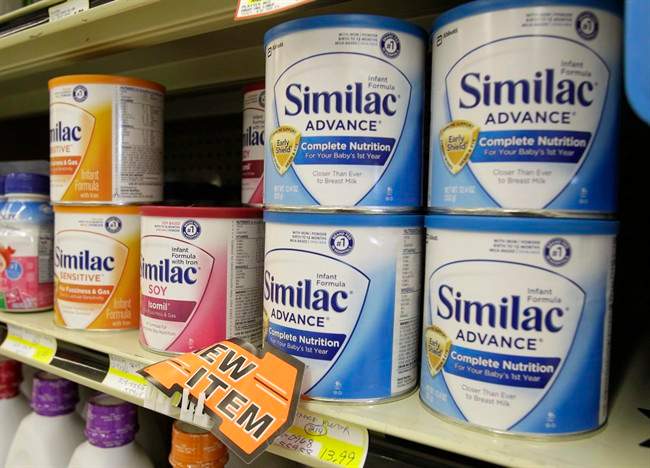
Humira and other drugs made up for lacklustre growth of the company’s medical devices and infant formula, which were hurt by concerns of overuse and previous product recalls, respectively. Sales of heart stents, which are used to open clogged arteries, decreased 1.6 per cent to $525 million for the quarter. In the U.S. sales dropped nearly 13 per cent. U.S. infant nutritional sales fell 11 per cent to $299 million, but were offset by a 12 per cent increase internationally.
- Canadians’ debt rising ahead of 2027 mortgage renewal wave, says TransUnion
- Montreal mayor apologizes for Kraft Dinner comment amid tax hike backlash
- Layoffs, programs cancelled as Calgary drops mental health funds from city budget
- Alberta natural gas act a potential risk to TC Energy’s NGTL growth plans: CIBC analysts


The company earned $1.94 billion, or $1.23 per share, for the period, benefiting from a one-time tax benefit. Excluding that and other one-time expenses the company would have earned $1.12 per share. That was one penny higher than the average estimate of Wall Street analysts polled by FactSet.
In morning trading, Abbott shares fell 96 cents to $51.93.
Sales of the company’s cholesterol drugs were unscathed by recent disappointing clinical trials results. Sales of fibrate drugs Trilipix and Tricore grew 6.2 per cent to $419 million. In May a panel of health advisers said Trilipix should be re-labeled to indicate that it failed to lower heart attacks in a study of diabetics. Trilipix is a fibrate, a drug that lowers blood fats called triglycerides while boosting “good cholesterol.”
Another company drug, Niaspan, saw growth of more than 17 per cent growth. The drug, a prescription form of vitamin B that boosts good cholesterol, failed to reduce heart attacks in a federal study of patients with heart disease. Federal scientists halted the study after it became clear patients were not benefiting.


Comments
Want to discuss? Please read our Commenting Policy first.