



A pristine, picturesque part of Manitoba is now scarred beyond recognition in some areas, after a devastating wildfire tore through Nopiming Provincial Park last spring.

“This was all paths to go see the falls,” Russ Popp said while walking near Tulabi Falls.
“It’s all gone now.”
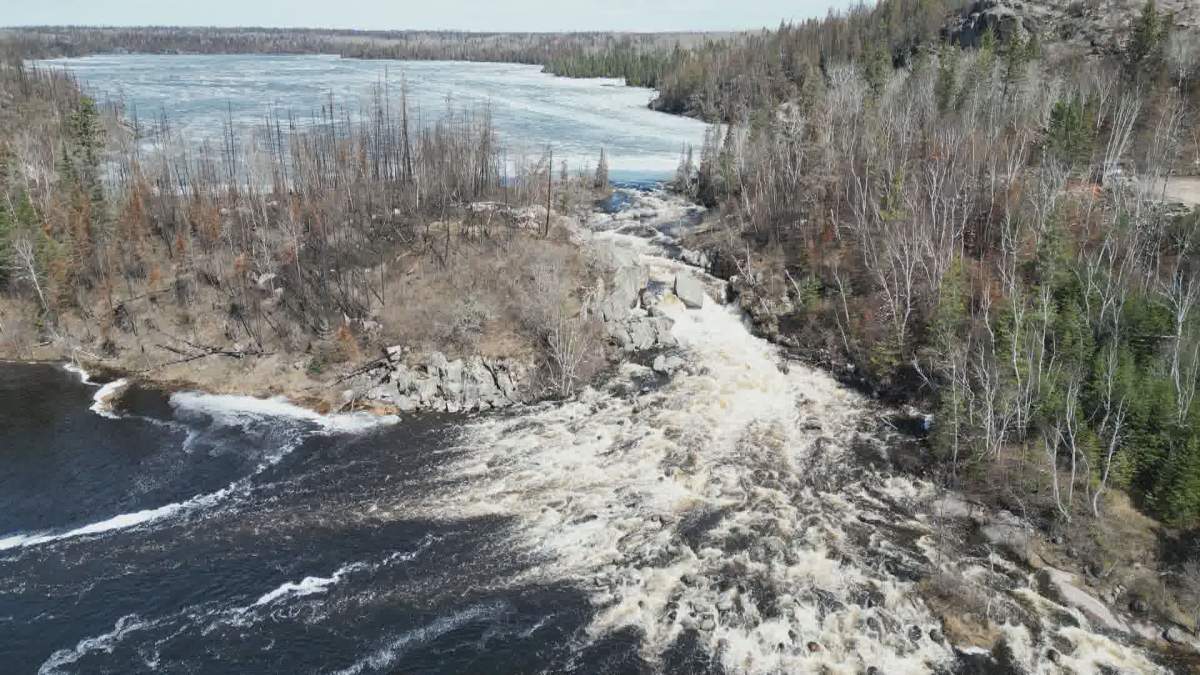
The picturesque Tulabi Falls is now surrounded by charred trees that resemble matchsticks. But the cindered area is still hauntingly beautiful, and still a special place to Russ and Pat Popp.


“I knew at 14 years old I wanted to live here full-time, and I knew at 14 years old, I was going to walk up that mountain on Tulabi and marry the girl of my dreams. Which I’ve accomplished,” Russ told Global News.
“I can tell you right now living out here, it’s the best place to be in the world.”

Russ Popp has been a cottager in Nopiming since 1966. The couple moved out to the park full-time in 2018, spending much of their time fishing, hunting, canoeing, and enjoying nature.
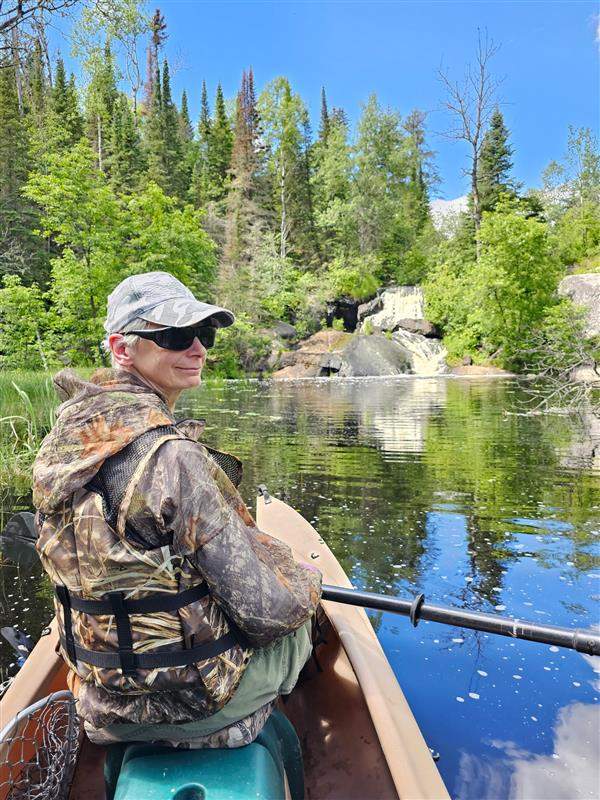

Last spring’s raging wildfire came about 500 metres from their home on Bird Lake. The entire north shore of the lake burned, but their home and other homes and cottages along the south shore were saved.

“There’s a cottage on the other side, the fire came within like 15 feet of that cottage,” Pat said, pointing to one cottage on the north shore that was unscathed despite being surrounded by fire.

The Popps had to leave their home for 35 days.

Get breaking National news
“The ride out of here, 14 miles through the fire was tough. You see all the animals running from the fire and you want to take them home, take them with you,” Russ said.
“It was like my whole life was going to be wiped out from right under my feet because it was going to take out who I am, I’m moulded here.”
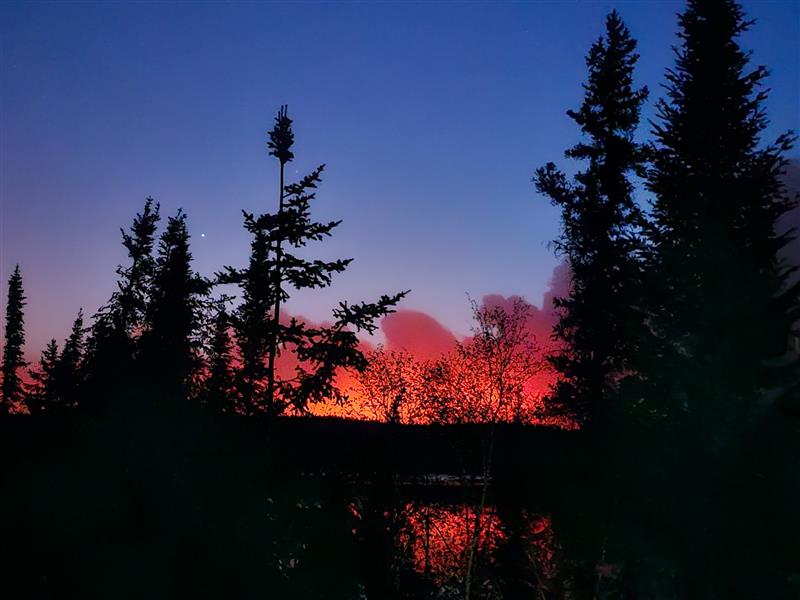
“It was just heartbreaking,” Pat said.
The Popps have a sprinkler system on their home, and say every spring they are now bracing for wildfire season.
“Every year now, because of climate change, this is becoming fire season. Summer is now my least favourite season,” Pat said.
“I’m scared we’re going to lose our home, I’m scared we’re not going to get out. It’s just a very scary season for me.”

The wildfire in Nopiming was one of the largest in the province and destroyed 20 cottages on Beresford Lake. Straddling the Manitoba-Ontario border, the wildfire engulfed an estimated 373,126.9 hectares, according to the province.
Driving through the park one year later, the cindered forest stretches for miles and miles in some areas.
But the Popps say even after the fire, signs of life remain.
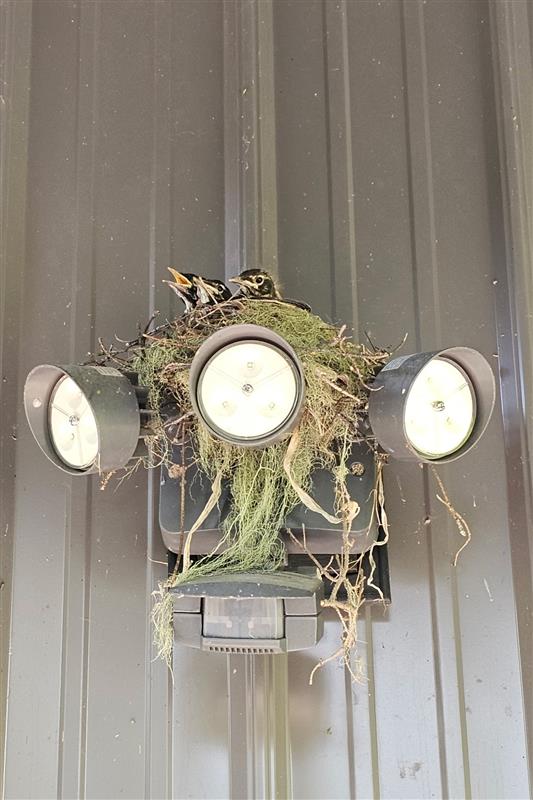
“When we came back, there were still signs of life here,” Pat said. “The first night we came back there were moose tracks on our block road, and a robin had a nest on our motion light over our door. And I thought, what a great sign.”
- ‘They shouldn’t be surprised’: Nova Scotians take stand against major data centre project
- Environment Canada issues overnight frost advisory for Toronto
- ‘Call them out’: AI data centres becoming an Ontario municipal election issue
- First Nation in N.S. launches joint venture using sea water to produce jet fuel


Despite the devastation left behind by the fire, the Popps say they feel so much relief and gratitude to be back at home again.
“Like the moose and the rabbits are travelling in a circle, they came back home, and we were coming back home,” Russ said through tears.
“And it was nice to come home and have your house, we were so grateful. It was sad, but here were are, and it’s one day at a time. And we’re back and we’re living a great life out here again.”
Wildfire impacts on Nopiming business
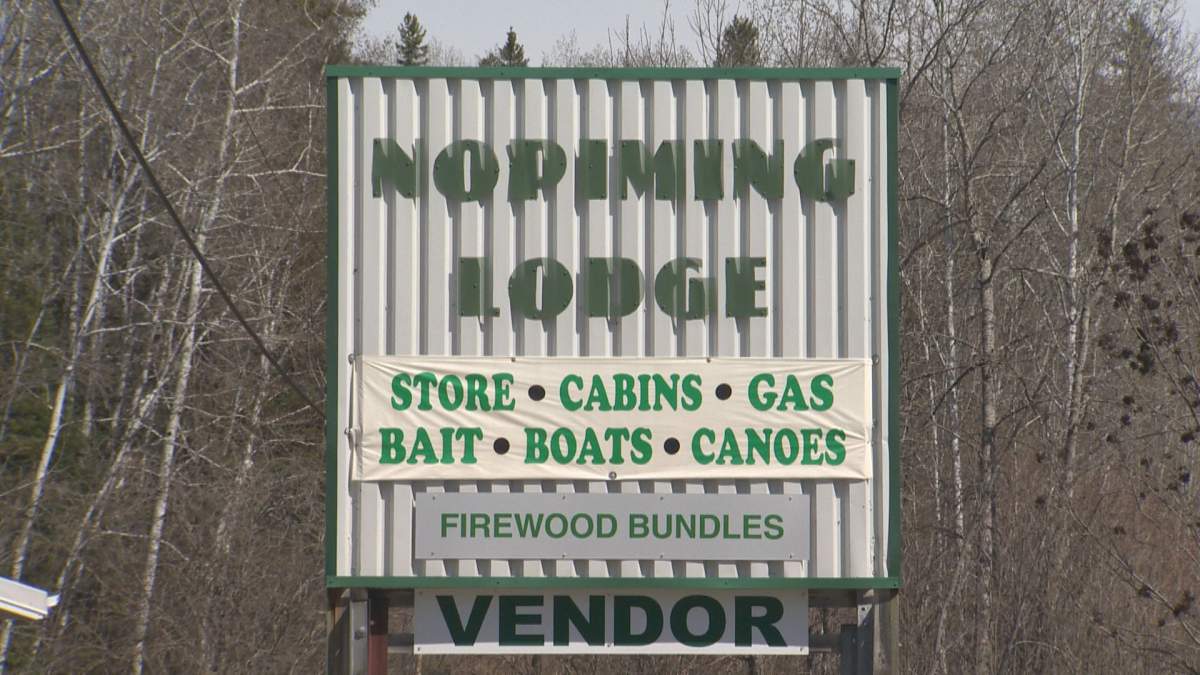
Last season’s wildfire was also a trying time for the owners of Nopiming Lodge near Tulabi Falls.
“Just to witness the whole other side of the lake across from us burning is an experience I don’t think I’ll ever forget,” Nopiming Lodge co-owner Jesse Guenther said.
“A couple of sleepless nights here, but we made it work. Lots of coffee and we kept an eye on things.”

Nopiming Lodge, which operates cabin rentals, boat rentals, and a store, was unscathed by the fire.
“With the loss of the campgrounds, we definitely suffered a loss of tourist business up here. The store took a big hit and everything else,” Guenther told Global News.
The campgrounds at Tulabi Falls, Bird Lake, Beresford Lake, and Shoe Lake are slated to reopen for the May long weekend, according to the province. The campground at Black Lake will remain closed.
Guenther says he’s uncertain what the wildfire damage will mean for the season ahead.
“It’s not the exactly same as it used to be, let’s just say,” he said.
“We’re expecting a better season than last year, but it’s totally hard to say what it’s going to be like 100 per cent.”
Wildfire puts Nopiming caribou herd at risk
Nopiming Provincial Park is also home to Manitoba’s southernmost caribou herd.
Although elusive and rarely seen, it’s estimated there are about 50 to 70 caribou in the Nopiming herd, according to Eric Reder, a wilderness and water campaigner with the Wilderness Committee.

He says the wildfire could have had a significant impact on the herd.
“Their primary food is lichen, and the lichen grows in the shade of taller, older trees. And right now, none of the trees in Nopiming are giving enough shade for their food to grow,” Reder said.
Reder says the caribou will likely relocate to seek undisturbed, old growth forest. He says they could potentially move into Ontario, or be in an area of Nopiming that wasn’t destroyed by wildfire.
He also says its an indicator of a larger issue.
“(The) indicator species they consider is boreal caribou. Once boreal caribou leave your forest, you’ve created a problem. So if we’ve now lost our southernmost caribou, we’ve created a problem. And that problem is climate change,” Reder said.
“We’re going to have to take this as our signal, as our warning: we’re losing nature, we’re losing things we love in the forest. And we’re going to have to change the way we run our society so that we keep those things.”


Comments
Want to discuss? Please read our Commenting Policy first.