


The union for workers battling Manitoba’s wildfires say their efforts were crippled from the start this summer by a lack of training, staffing shortages, substandard gear, paper-thin mattresses and a pay scale one said worked out to $3 a day.

“It was a challenging season, and we are grateful for every worker who stepped up to support Manitobans,” Kyle Ross, president of the Manitoba Government and General Employees’ Union said Tuesday.
“We got through it, but we also saw where better preparation and resources could have made a real difference.”
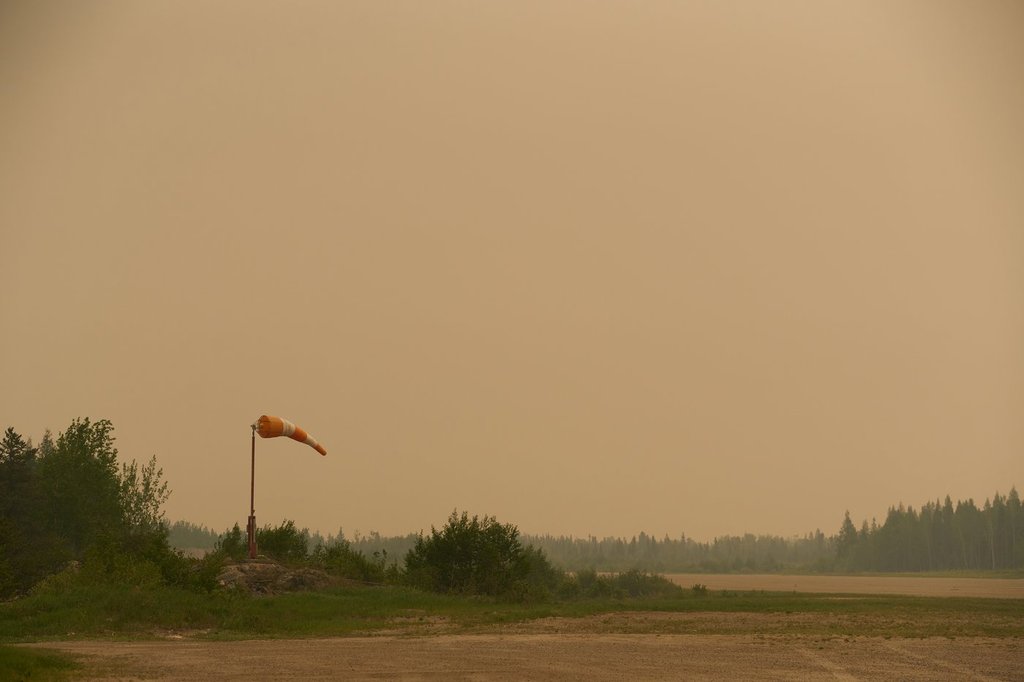
The union released a new nine-page report Tuesday that details challenges faced by those on the front lines of one of Manitoba’s worst wildfire seasons in 30 years, with more than 32,000 people from various communities displaced. It is based on feedback from crews and other staff involved in the wildfire fight.
“We’re releasing this report to help fight for workers to have a say in this process,” said Ross.
The report said understaffing put a strain on workers and put communities at risk. Without addressing staffing gaps and rebuilding an experienced workforce, the province’s wildfire response capacity will continue to erode, it said.

Get daily National news
One of the downfalls of short staffing is that there are not enough crews to attack and manage small fires before they become large fires that require more resources to contain and threaten communities and natural areas, the report said.
“Recruitment and retention issues in the Wildfire Service have led to more inexperienced crews and crew leaders at a time when we are heading into an era of the more extreme fire weather,” it said.
The report says crews were “stretched beyond safe limits,” pulling double and even triple duty, which left gaps in coverage akin to “Swiss cheese.”

There were dangers of staff showing up with no wilderness first aid training, and newcomers heading into danger zones without adequate training. Some crews worked weeks at a time in the bush with no days off.
“It was non-stop,” said one. “As soon as you’re off the phone, you’re getting dispatched again.”


Pay was also noted as an issue, with the rising cost of food outstripping per diems to the point that one said those camping in the bush are making “only three bucks a night.”
Poor functioning or malfunctioning gear, including pumps, put safety at risk, the report said. Some staffers had to make do with ripped or ill-fitting fire-retardant clothing, a real danger in the bush.
“You don’t want to step in a pile of ash and get hot ash up your legs because your pants are ripped,” said one.
Crews were given mattresses so thin, one said “they popped just by looking at them.”
There were also problems with work orders and payments given the system’s reliance on fax machines.
The Manitoba government is currently in what they are calling phase one its review of this past wildfire season, which includes speaking with local governments.
Natural Resources Minister Ian Bushie said phase two will take place sometime next year and will include speaking with frontline staff.
“We’re looking to stand up the Wildfire Service. We’re looking to engage with not only (MGEU) members but all members of the Wildfire Service wherever they may be … to be able to see how we can do better,” he said.
The goal is to have the review done before the start of the next wildfire season, Bushie added.
This report by The Canadian Press was first published Dec. 16, 2025.



Comments
Want to discuss? Please read our Commenting Policy first.