






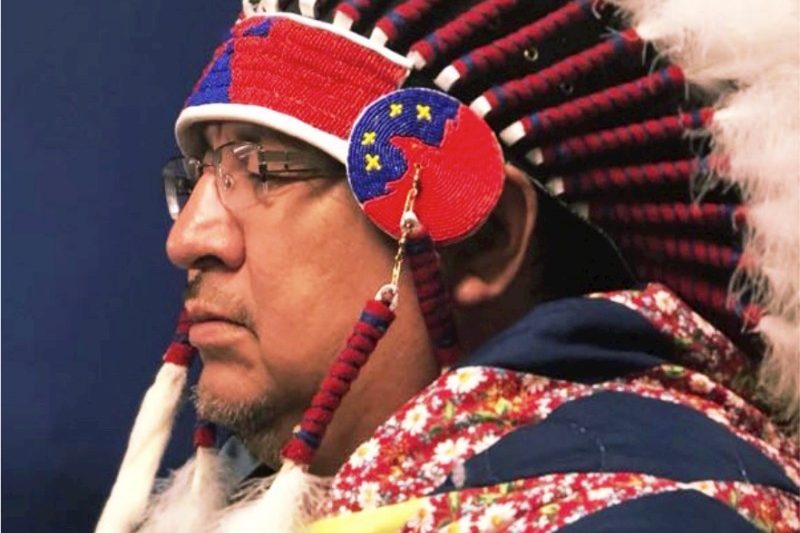
Leaders of a First Nation in northern Manitoba say they’re declaring a state of emergency over poor water quality.

Officials in Pimicikamak Cree Nation, also known as Cross Lake, said in a statement Tuesday morning that the community is facing a crisis because of its aging water treatment plant.
Pimicikamak Chief David Monias said he’s calling for federal help to replace the facility and build a modern sewer system and safe piping, as the current plant isn’t able to keep up with the needs of the community.
Funding had been promised previously, he said, but political delays — including elections — have left things at a standstill.
“Access to safe drinking water is not a luxury, it is a basic human right, and it is a treaty right,” Monias said.
“Canada has a fiduciary duty to ensure our people are not forced to live under boil water advisories or face repeated failures of an archaic system.

Get weekly health news
“Our people should not have to beg for clean water in 2025.”
Monias said the federal government should be held to account for a promise made by former prime minister Justin Trudeau, when he was first elected, that every house in Canada would have clean running water by 2030 — a goal he doesn’t see being achieved for many First Nations communities across the country at present.
The situation, Monias said, is often thought of from a technical standpoint, but it’s really a human issue.


“This isn’t just about pipes and plants, it’s about our families, our children, and our elders,” he said.
“Every day they worry about whether the water is safe to drink or if the taps will run dry. No Canadian family should live this way, and yet our people are still being forced to.
“Canada must live up to its responsibility and give Pimicikamak and all First Nations the dignity of clean, reliable water.”




Comments
Want to discuss? Please read our Commenting Policy first.