

OTTAWA – A spirit of co-operation and a commitment to move quickly characterized an all-party meeting Thursday on access to uncensored Afghan-detainee documents.
MPs reported optimism after an initial meeting on how the parties will fulfil the historic ruling this week by House of Commons Speaker Peter Milliken.
Milliken ruled Tuesday that Parliament has the right to see the uncensored government documents – but must work out a mechanism within two weeks to look at the detainee paper trail without breaching national security.
Each party had several representatives at the meeting, which lasted about an hour. The MPs agreed to meet again early next week.
There was no negotiation or agreement on the method of providing MPs with access and security clearance – but it has been done under previous governments when, for example, parliamentary committees were reviewing an intelligence-oversight agency and studying organized crime.
"Things can change, but the initial impression is that all parties in the Commons, including the government and the Opposition, are taking the Speaker’s ruling in the detail and in the spirit in which it was intended," Liberal House leader Ralph Goodale told reporters.
"And that’s important," he said. "This is a fundamental issue of the functioning of Canada’s democracy, and that’s the bottom line for us."
New Democratic Party defence critic Jack Harris said the meeting was not confrontational but also did not get into practical decision-making.
"My sense was that we’re all agreed that we would try to move quickly as opposed to get into brinkmanship toward the end of the two weeks, to try to solve it earlier rather than later," Harris said.
In the Commons, meanwhile, Defence Minister Peter MacKay assured MPs that detainee-transfer orders a military official recently said would take years to retrieve from shipping containers in Afghanistan are "safe."
He was responding to Liberal defence critic Ujjal Dosanjh, who sought guarantees those documents would not be destroyed and would be returned to Canada.
While the government has tabled more than 10,000 pages of censored detainee-related documents in the Commons, Harris said many are not contentious.
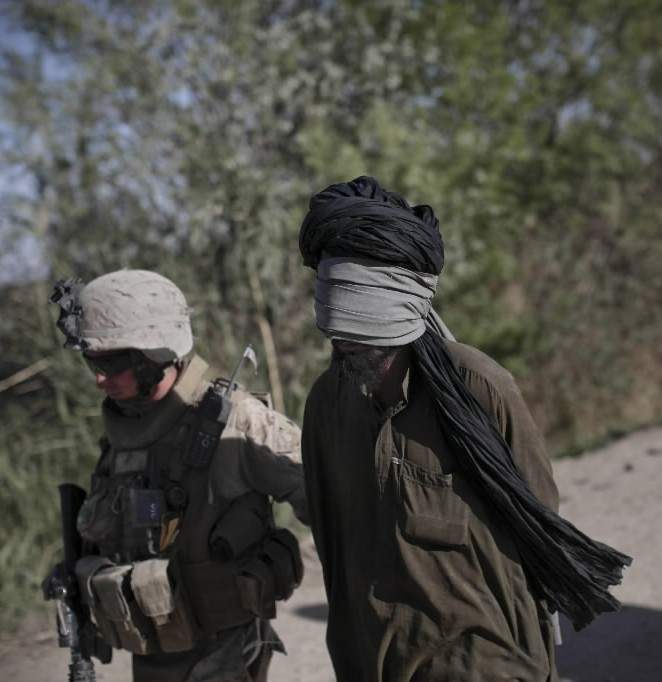
He said part of the work is honing in on which sets of documents are vital to efforts by opposition parties to assess allegations that top government and military officials turned a blind eye to the risk of torture faced by detainees transferred to Afghan custody by the Canadian Forces.
Prime Minister Stephen Harper’s spokesman, Dimitri Soudas, said the first meeting was productive. Justice Minister Rob Nicholson and Conservative House leader Jay Hill attended "with a spirit of openness in order to reach a compromise while respecting the government’s legal obligations."
Former defence minister Gordon O’Connor, a key figure in the early controversy over the handling of detainees, was also in the government group.
Goodale said no potential mechanisms have been ruled out, including one floated by Liberal Leader Michael Ignatieff that has not been embraced by the NDP or Bloc Quebecois. "Everything at this stage is on the table," he said.
One of Ignatieff’s ideas is to expand the role of retired justice Frank Iacobucci, who has been assigned by the government to review the propriety of redactions, or blacked-out passages, from detainee-related documents. The redactions – made by public servants – are based on passages deemed potentially injurious to national security, defence or international relations.
Ignatieff suggested Iacobucci could help all parties, not just the government.
The NDP is not keen on the idea. "We’re looking for a parliamentary process here," Harris said.
Meanwhile, in the Commons, Foreign Affairs Minister Lawrence Cannon assured Liberal foreign affairs critic Bob Rae that Canada will continue diplomatic work, development and aid in Kandahar after the scheduled withdrawal of Canadian Forces in 2011.
Rae cited reports from Kandahar of "deep concern" that it had been decided there would be no funding after March 30, 2011, for projects through the Canadian International Development Agency.



Comments
Want to discuss? Please read our Commenting Policy first.