



As of Sunday, Saskatchewan’s Ministry of Health is reporting eight new confirmed cases of COVID-19, bringing the province’s total cases to 52.

Of those, 33 cases are confirmed and 19 cases are presumptive positive.
One of the new cases is someone in their late teens. All others who have COVID-19 are adults, says the Ministry of Health.
Additionally, of those infected, 62 per cent are male and 38 per cent are female.
Of the total cases, 21 are in Saskatoon, 19 are in Regina, five are in southern Saskatchewan (which excludes Regina), four are in central Saskatchewan (excluding Saskatoon) and three are in northern Saskatchewan.
To date, 4,536 COVID-19 tests have been performed by the Roy Romanow Provincial Laboratory. Additional demographic information on these cases is not available at this time, the province says, as health officials continue their contact investigation.

-
![]() Saskatchewan confirms 1st presumptive case of novel coronavirus
Saskatchewan confirms 1st presumptive case of novel coronavirus -
![]() Coping with pandemic-induced anxiety
Coping with pandemic-induced anxiety -
![]() What’s cancelled in Saskatoon after the first presumptive case of novel coronavirus
What’s cancelled in Saskatoon after the first presumptive case of novel coronavirus -
![]() Saskatchewan’s chief medical health officer on the province’s first presumptive case of COVID-19
Saskatchewan’s chief medical health officer on the province’s first presumptive case of COVID-19 -
![]() Saskatchewan’s health minister comments on HealthLine 811 backlog
Saskatchewan’s health minister comments on HealthLine 811 backlog -
![]() Testing in Saskatchewan for COVID-19 cases
Testing in Saskatchewan for COVID-19 cases -
![]() Saskatchewan officials say province is preparing for potential coronavirus outbreak
Saskatchewan officials say province is preparing for potential coronavirus outbreak -
![]() Coronavirus: Inmates at Saskatoon jail under quarantine after possible link to COVID-19
Coronavirus: Inmates at Saskatoon jail under quarantine after possible link to COVID-19 -
![]() Healthy Living: Keeping healthy through COVID-19
Healthy Living: Keeping healthy through COVID-19 -
![]() Separating facts from fiction on the Coronavirus
Separating facts from fiction on the Coronavirus -
![]() Ferrets, a Saskatoon lab and the leading edge of the race for a Coronavirus vaccine
Ferrets, a Saskatoon lab and the leading edge of the race for a Coronavirus vaccine


The Ministry of Health is reminding people to practise social distancing, meaning they must be separated from other people by at least two metres, or six feet, while shopping or doing other activities.


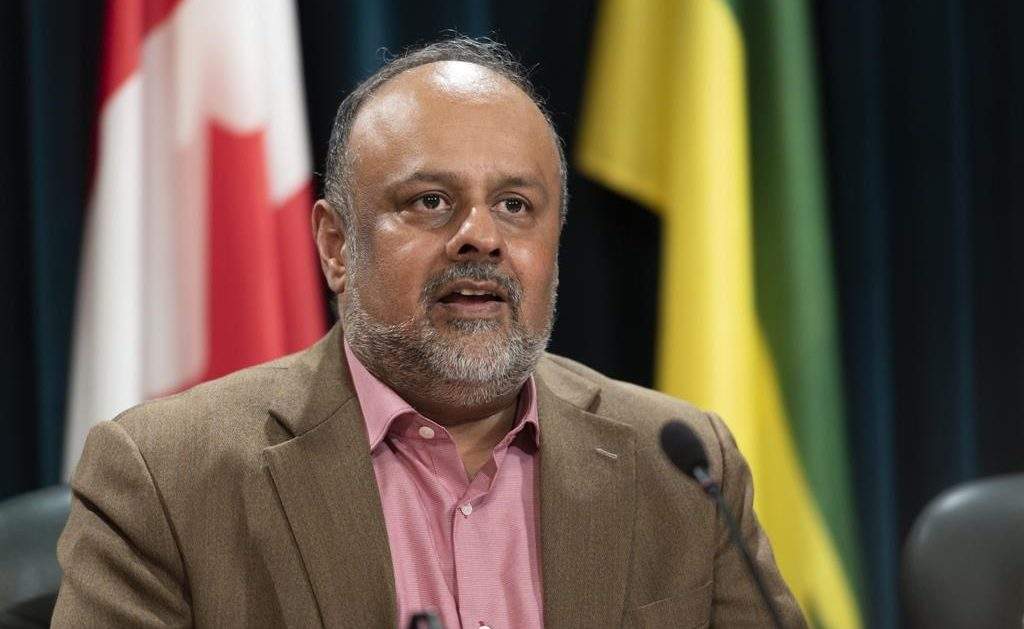
Saskatchewan’s chief medical health officer Dr. Saqib Shahab was not available Sunday for comment. However, he will provide a provincial update on Monday at 2:30 p.m.

Get breaking National news
For more information visit the Government of Saskatchewan’s website.
Concerned about COVID-19? Here are some things you need to know:
Health officials say the risk for Canadians is low.
Symptoms can include fever, cough and difficulty breathing — very similar to a cold or flu. Some people can develop a more severe illness. People most at risk of this include older adults and people with severe chronic medical conditions like heart, lung or kidney disease.
To prevent the virus from spreading, experts recommend social distancing, frequent handwashing and coughing into your sleeve. And if you get sick, stay at home.
For full COVID-19 coverage from Global News, click here.
.jpg?h=article-hero-560-keepratio&w=article-hero-small-keepratio&crop=1&quality=70&strip=all)


Comments
Want to discuss? Please read our Commenting Policy first.