



The Carnegie Community Action Plan has put together a report for all three levels of government on mental illness in Vancouver’s Downtown Eastside.

Titled “No Pill for this Ill,” the report is a community initiative to tell a story about mental health and its impacts on the community, said spokesperson Lana Mugabo.
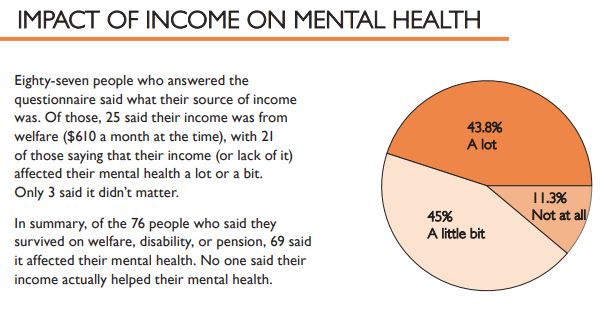
The report found big factors that affect mental health — they include the housing crisis and the overdose crisis, Mugabo said.
READ MORE: New housing report argues that ‘2017 was the worst year for homeless Downtown Eastside residents’
Mugabo brought up the example of a homeless person who has to line up for a shelter bed every day.
This same person has to leave the shelter and spend the rest of the day lining up for food, before they have to line up for a bed again at night, he explained.
“So this… the worry of ‘where am I gonna sleep tonight? What am I gonna eat today?’ exacerbates the condition of mental health,” he said.

Get weekly health news
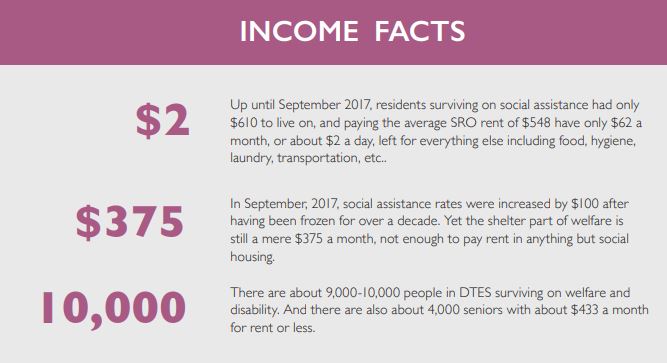
Another major factor according to the report: low welfare rates.


“If you make… $710 a month, the average rental is $687 a month. That only leaves you something like $23 for your hygiene and transportation and food… so definitely I think poverty is very key here,” Mugabo said.
He said the group wants to see the provincial, federal and municipal governments come together to create at least 10,000 social housing units across B.C. per year, and increase welfare rates.


Comments
Want to discuss? Please read our Commenting Policy first.