

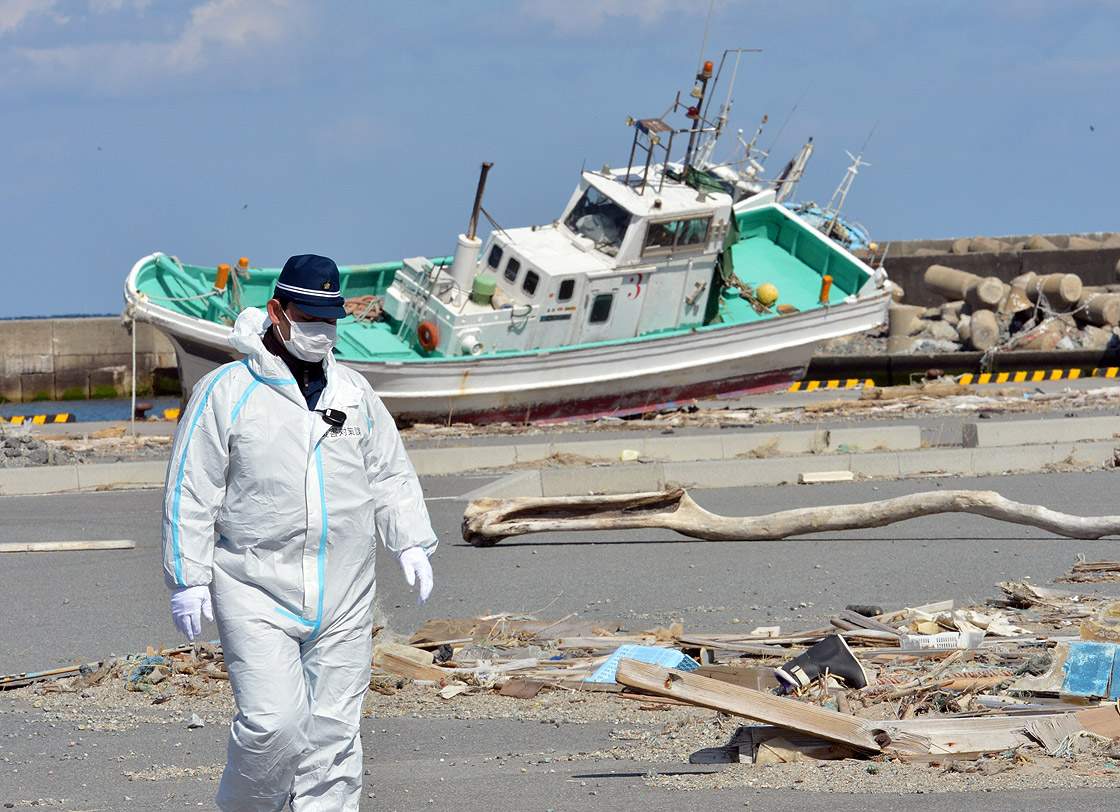
One year after the tsunami devastated Japan, we explore what has and hasn’t changed in Japan.

They stood up to the earthquake, but the Fukushima nuclear power plants couldn’t handle the tsunami.
They were damaged by the water, and in the days after, the plants suffered explosions, fires and a meltdown. Radiation escaped into the air and the ocean. The Fukushima I plant is still leaking radioactive water.
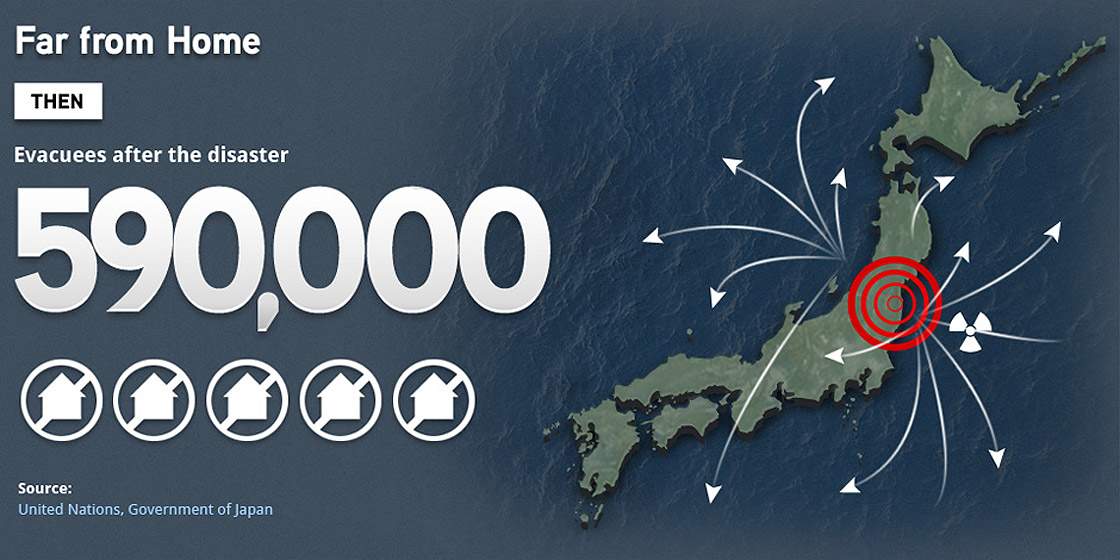
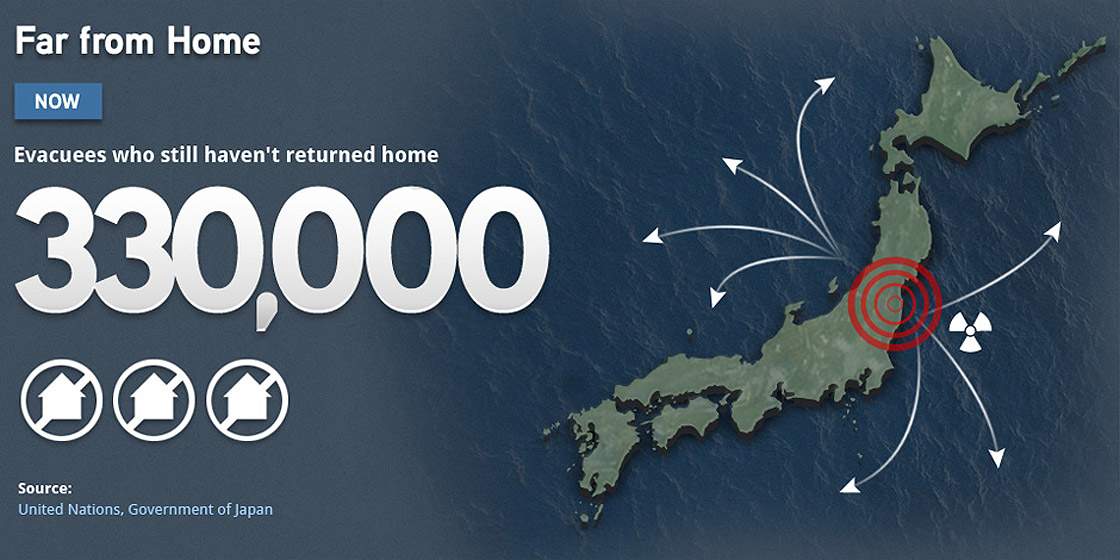
A 20 kilometer zone around the two damaged nuclear power plants has been totally closed. Towns inside that ring are completely evacuated and no one is allowed inside except for emergency workers. Another area, to the northwest of the plants, has also been evacuated, and several towns have had “recommended evacuations.”
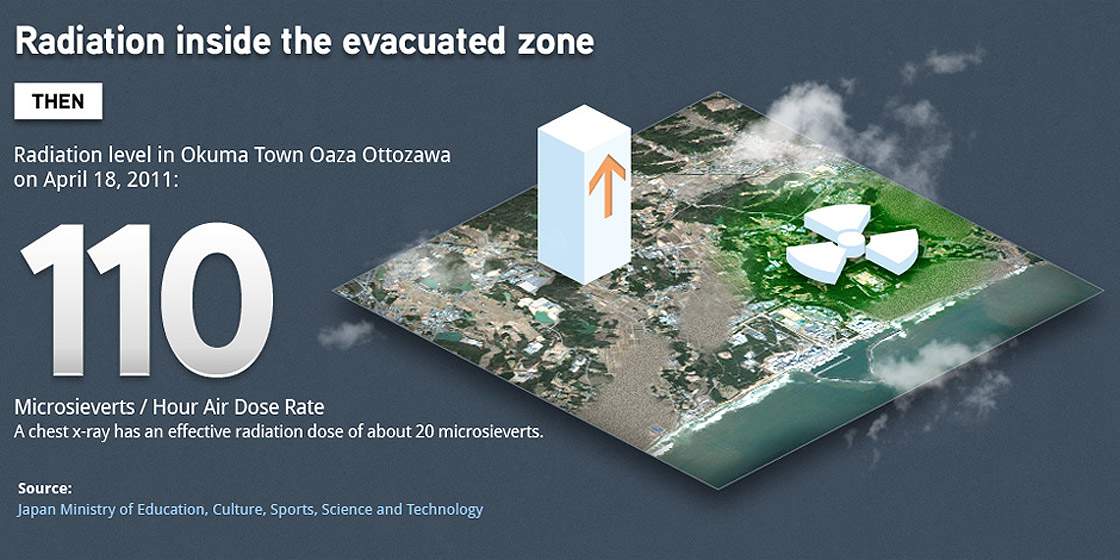
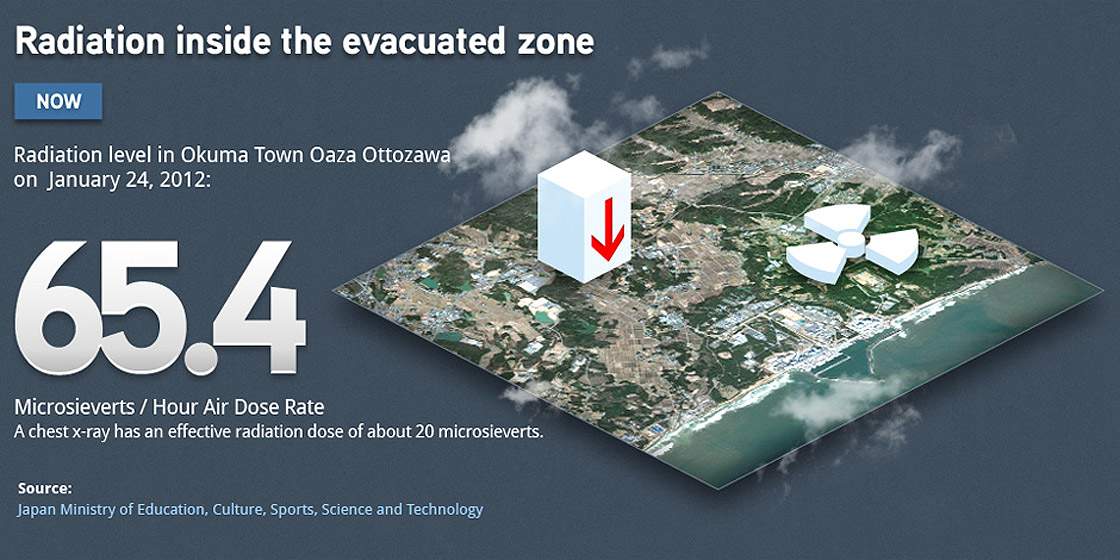
A year after the disaster, radiation levels within the evacuation zone remain high. According to recent readings, spending a year in Okuma Town Oaza Ottozawa, about 3 km west-southwest from the Fukushima I plant, would give an individual more than 10 times the maximum permitted annual dose for a nuclear worker, by Canadian standards. And that reading is just from the air.
Some reports suggest that the evacuation zone could remain uninhabitable for years, maybe even decades.
NUCLEAR CLEANUP
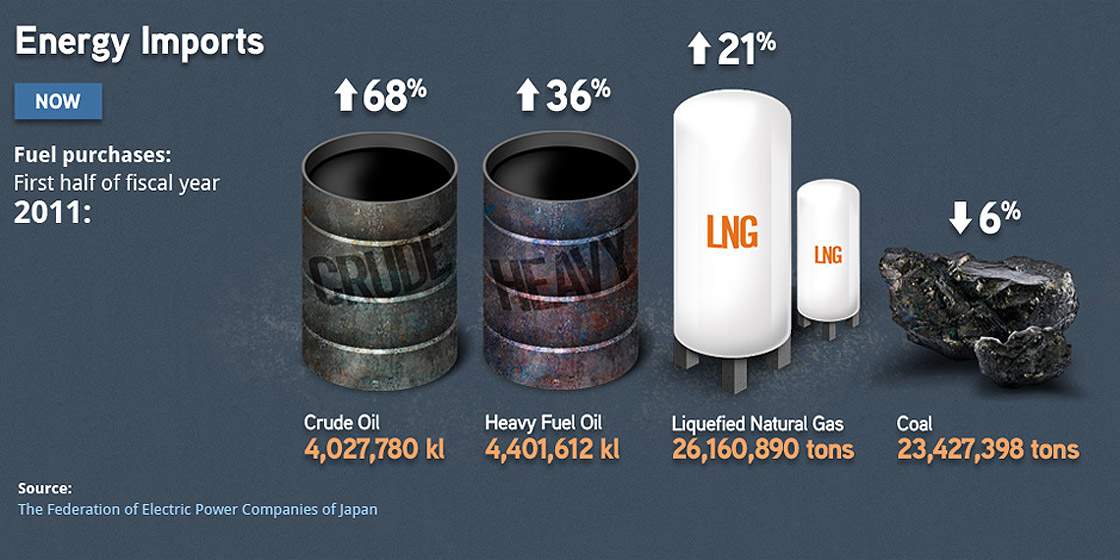
ENERGY
EVACUEES
-
![]() Super El Niño could be strongest on record, UN warns
Super El Niño could be strongest on record, UN warns -
![]() JD Vance ‘extremely skeptical’ about reports U.S. behind fatal attack on wedding in Iran
JD Vance ‘extremely skeptical’ about reports U.S. behind fatal attack on wedding in Iran -
![]() Health Matters: Canada reviews India imports after fake label raid
Health Matters: Canada reviews India imports after fake label raid -
![]() Carney says he’d tell Putin to ‘get out of Ukraine’ if the latter attends upcoming G20 summit
Carney says he’d tell Putin to ‘get out of Ukraine’ if the latter attends upcoming G20 summit


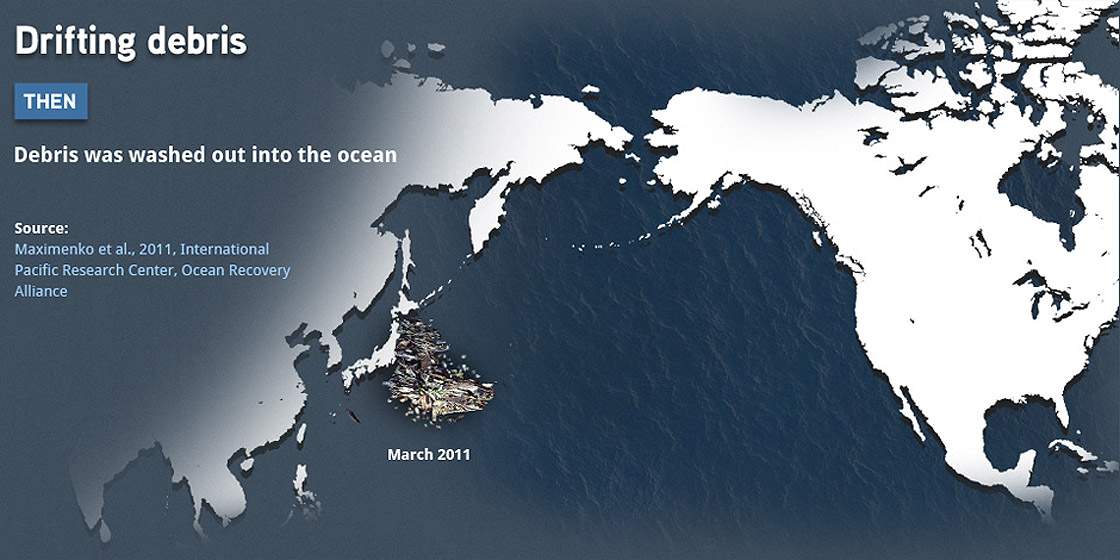
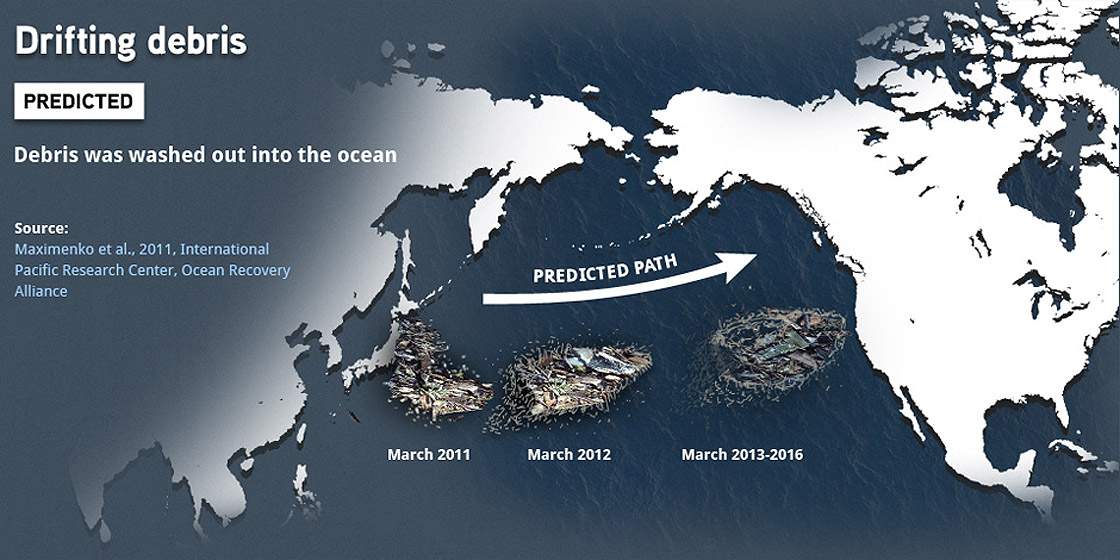
DEBRIS
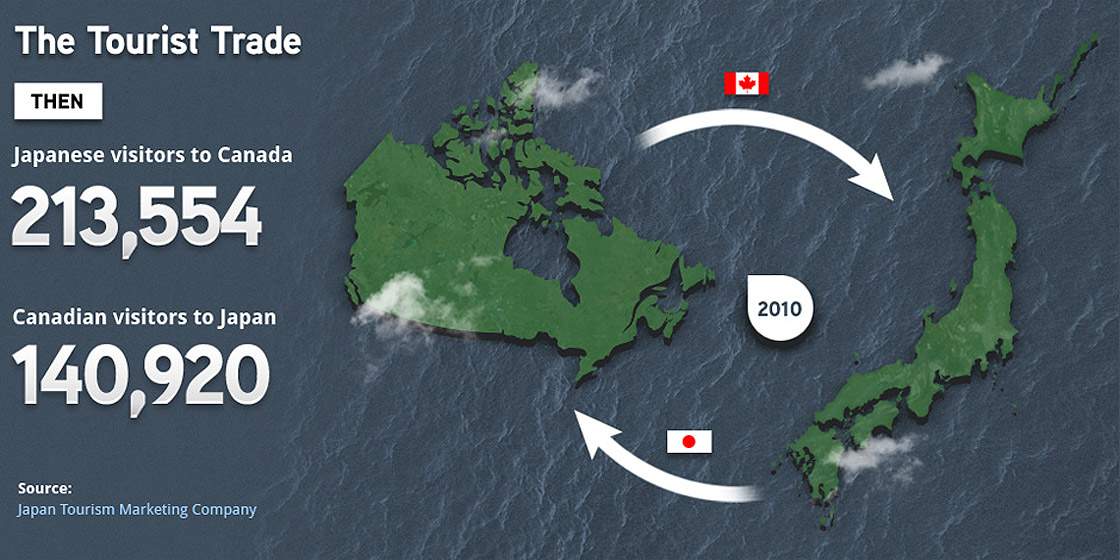
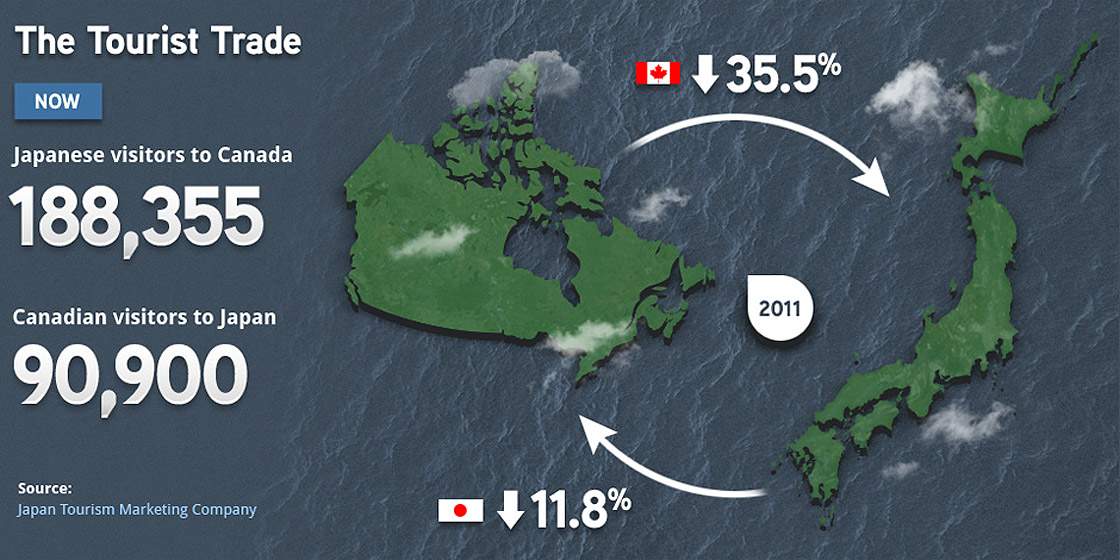
TOURISM
Click here to view photos of Japan shortly after the tsunami hit, and one year later as recovery efforts continue.


Comments
Want to discuss? Please read our Commenting Policy first.