





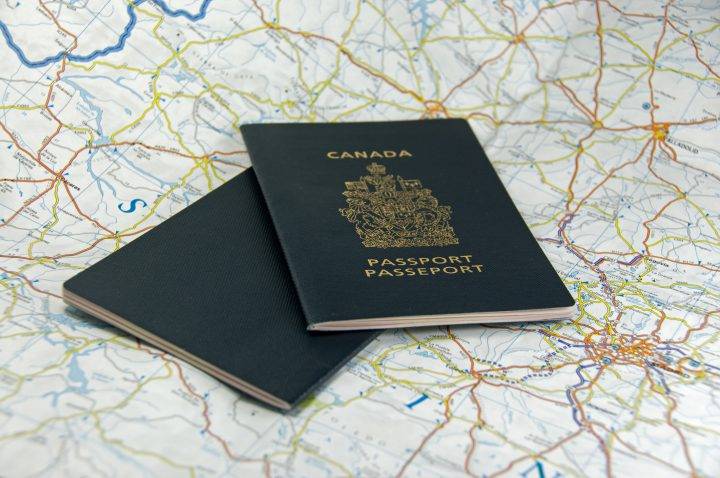
One of the best ways for Canadians to work in the United States is a NAFTA visa, but that could change in future NAFTA negotiations.

That question was one of several addressed at a Vancouver Board of Trade (VBOT) talk Thursday afternoon, which focused heavily on concern with cross-border labour mobility.
Christopher Sands, a John Hopkins senior research professor and director for Canadian studies, said that if the United States alters its labour relationships in NAFTA, B.C.’s new technology businesses could suffer.

Get breaking National news
“British Columbia’s high tech is built not just on the innovation that’s here, but on the easy access to the U.S market,” he said.
“So if we affect labour mobility and make it harder to get back and forth across the border, I think that’s going to be a real problem not only for Microsoft and Amazon and Google, but for some of the Canadian startups. ”


READ MORE: Kelowna attracts tech start-ups
Sands said possible limitations to labour mobility could impact Canadian startups that rely on U.S venture capital and networks.
“If that changes, and it may change in NAFTA, but it may also change during U.S. immigration reform, that could potentially really limit Canadians’ ability to move back and forth.”
Under the current NAFTA agreement, Canadians can work in the United States under a NAFTA visa for three years.
With files from Beth Mariam


Comments
Want to discuss? Please read our Commenting Policy first.