

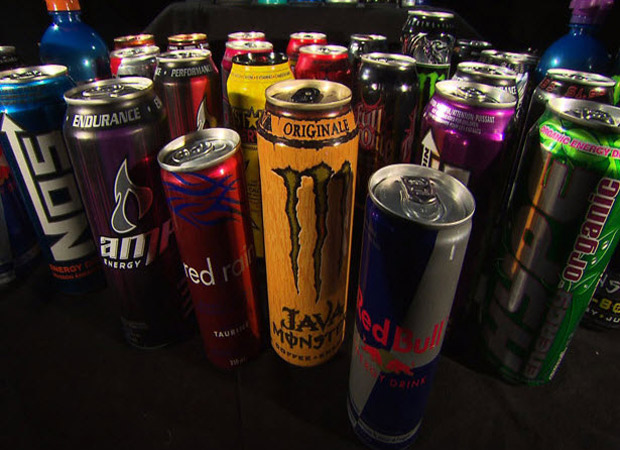
OTTAWA – The federal health minister will unveil on Thursday new rules on energy drinks forcing manufacturers to give consumers more information about the products they are drinking.

The colourful cans promise a burst of energy and alertness, but experts warn they could be a recipe for disaster.
Doctors and scientists alike have been raising alarm bells over the high amounts of caffeine contained in the controversial drinks, approved only for adults, but widely marketed to teens.
An editorial in the Canadian Medical Association Journal published last summer warned that the caffeine levels in the drinks can pose serious health risks and urged the government to mandate stronger warning labels.
An Australian study found that healthy young adults who started drinking the beverages had higher risk of blood clots in coronary arteries, heart disease and even heart attacks.
Other studies have linked the drinks to higher heart rates, elevated blood pressure, seizures and high-risk behaviour.

Get weekly health news
Health Canada received 78 reports of adverse events from energy drinks in 2010, including two suspected deaths. Last year, Health Minister Leona Aglukkaq appointed an expert panel to investigate the energy drinks.
Global News has learned that while requiring stronger labeling, the government will reject a recommendation from that expert panel that energy drinks only be sold from behind the counter at pharmacies.
The department already requires companies to put warning on the cans, saying the product is “not advised for children, pregnant women or people who are caffeine sensitive.”


Health Canada set the caffeine limit for young people ages 12 to 13 at about 85 milligrams, but many of the energy drinks are well above the safe limit for kids.
Thursday’s announcement will likely give consumers more information about what exactly is the cans – ingredients like guarana, taurine, ginseng.
A recent Global News investigation found that six popular brands of energy drinks all had more caffeine than listed.
The discrepancy could be an ingredient called guarana, which comes from one of the most highly caffeinated plants in the world.
Health Canada rules don’t currently require beverage companies to tell consumers about caffeine from the plant.


Comments
Want to discuss? Please read our Commenting Policy first.