


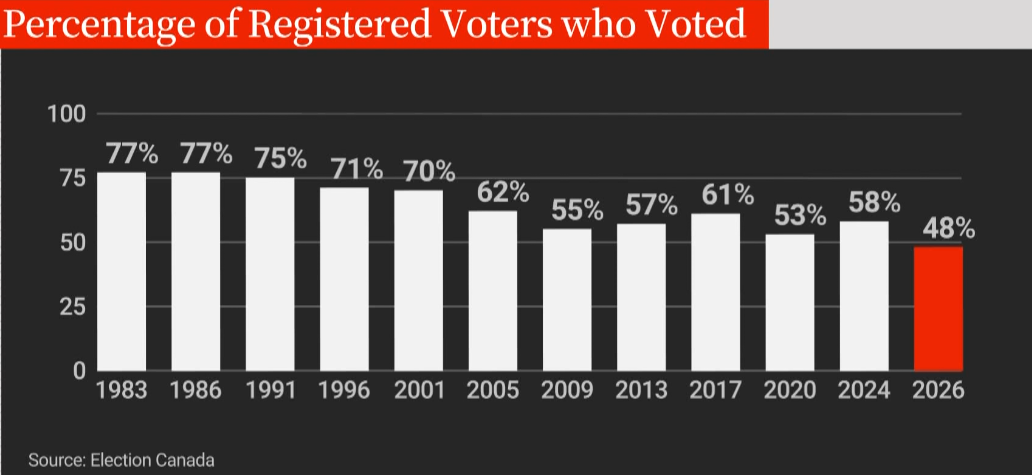
The 2026 B.C. election is over, but the results mark a historic low, with fewer than half of eligible voters casting a ballot.

According to Elections BC, preliminary figures show just 48 per cent of eligible voters participated, down about 10 percentage points from the 2024 provincial election.
For Stewart Prest, a political science lecturer at UBC, the record-low turnout reflects a campaign that failed to motivate many voters, particularly those who had previously supported the NDP.
“This is Mr. Eby’s low-turnout election to own, and this is going to be part of his legacy,” Prest said.
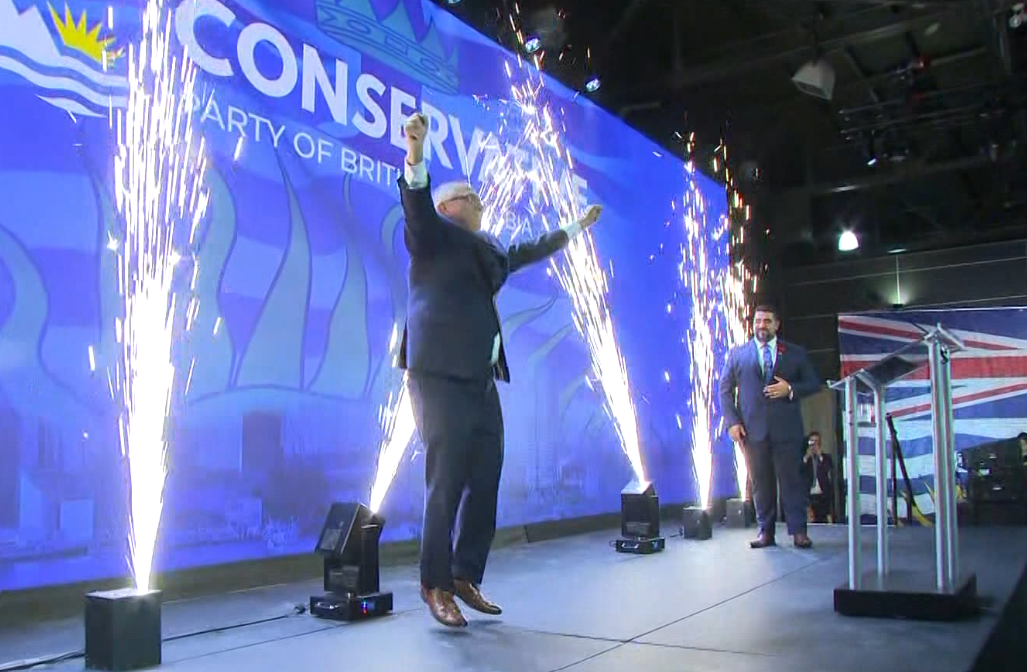
The NDP saw more than 270,000 fewer votes than it did in the 2024 election, a significant drop that suggests many of its previous supporters didn’t show up at the polls. By comparison, the Conservatives received about 49,000 fewer votes.
Prest says the party’s decision to call an election just two years after its previous majority appeared politically opportunistic to some voters. That, combined with a polarizing campaign, may have further alienated its own supporters. Some voters questioned why they were being asked to return to the polls before the government had delivered on key issues. He says the party’s failure to present a positive vision, particularly on issues such as housing affordability and jobs, may have further discouraged its own supporters.


Prest says the Conservatives’ victory was also shaped by voters frustrated with the NDP’s record and looking for a change in government.
For some Conservative voters, the early election call may have reinforced that frustration. After being asked to return to the polls just two years after the last election, some saw the vote as unnecessary and were motivated to send a message to the governing party, Prest says.
Prest says voters are more likely to participate when they believe their vote matters — and when governments deliver on issues such as housing affordability and jobs.
With turnout at a record low, the election raises questions about how political parties can reconnect with voters who no longer feel motivated to show up.


Comments
Want to discuss? Please read our Commenting Policy first.