


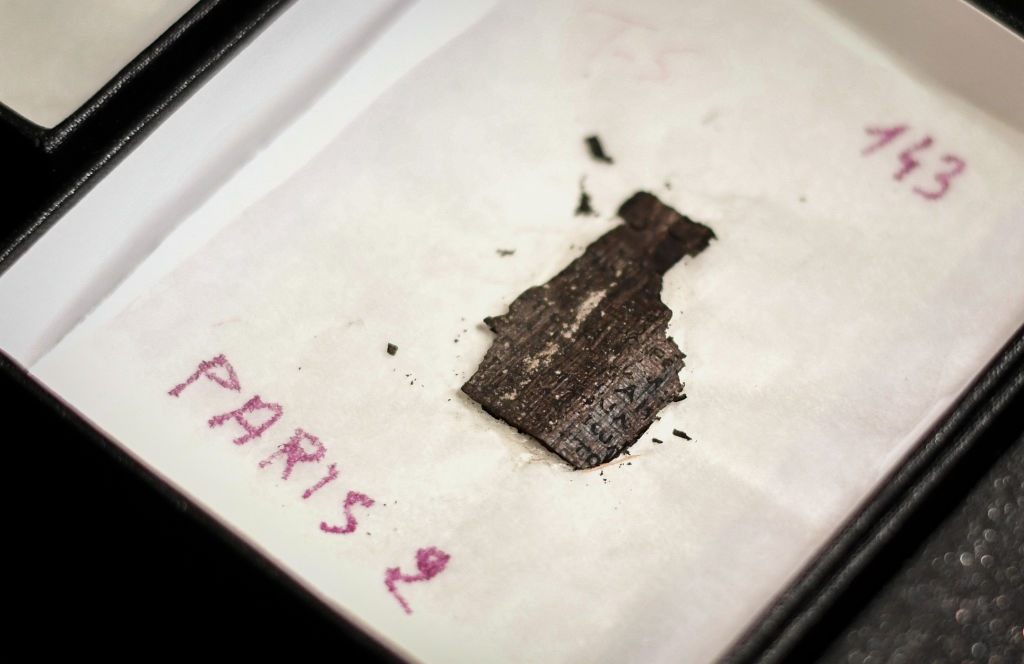
Readings of ancient scrolls, engulfed by the eruption of Mount Vesuvius more than 1,900 years ago, have revealed philosophical musings by key thinkers of the time, including warnings against excessive impulses and reflections on human nature, thanks to leapfrogging advancements in X-ray and artificial intelligence imaging technology.

Researchers used AI tools to achieve the first complete viewings of closed scrolls burnt by the eruption that buried the Roman cities of Pompeii and Herculaneum in 79 A.D.
The breakthrough, which came about as part of the Vesuvius Challenge — a global competition that uses AI to digitally unwrap carbonized scrolls — marks a major step toward deciphering hundreds of ancient manuscripts that would otherwise crumble at a touch.
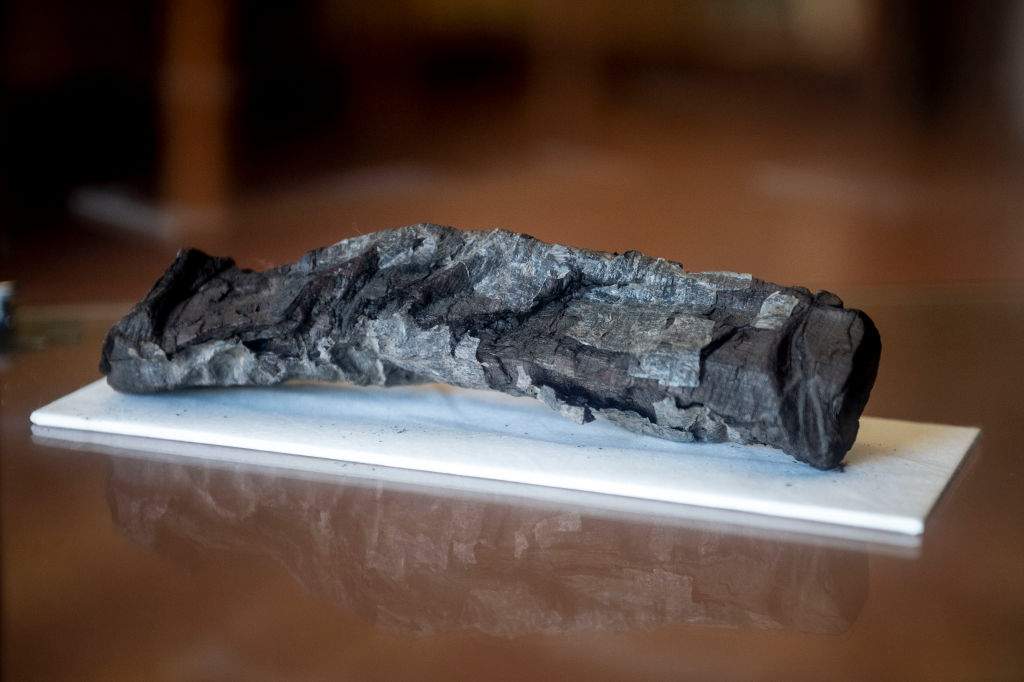
Among the newly read material were 70 columns of text from On Vices, Book 1, attributed to the Epicurean philosopher and poet Philodemus, and another of his works, On Gods, Book 8, in addition to nearly 1.5 metres of text across 20 columns recovered from a document dated to 200-300 BC — the oldest Herculaneum scroll to be unwrapped — exploring ethics, arts and human behaviour.
“We will inquire into something, but we will not grasp it, if in some way we depart from ourselves and from our own nature,” one of the unwrapped scrolls reads in part, according to the challenge’s published findings.

Get breaking National news
Seeking to accelerate technology development, the Vesuvius Challenge, which was launched in 2023 by a small group of tech developers and investors, said it would make all its existing data, code and models for the scrolls available online and offer a US$1-million prize to the first person or team to read one in full.
“Just a year ago it would have been crazy for any of us to believe that there would be a complete scroll read completely non-invasively with hundreds of columns of text,” Brent Seales, professor of computer science at the University of Kentucky and one of the founders of the project, told a conference streamed from Naples, Reuters reported.
- Regina City Council debates concerns and involvement in Bell’s AI Data Centre expansion
- Clavicular rape accusations dropped in civil case amid criminal proceedings
- Russell Brand a ‘voracious’ sexual predator, U.K. prosecution says at trial
- Katie Zacharia makes her debut as White House press secretary


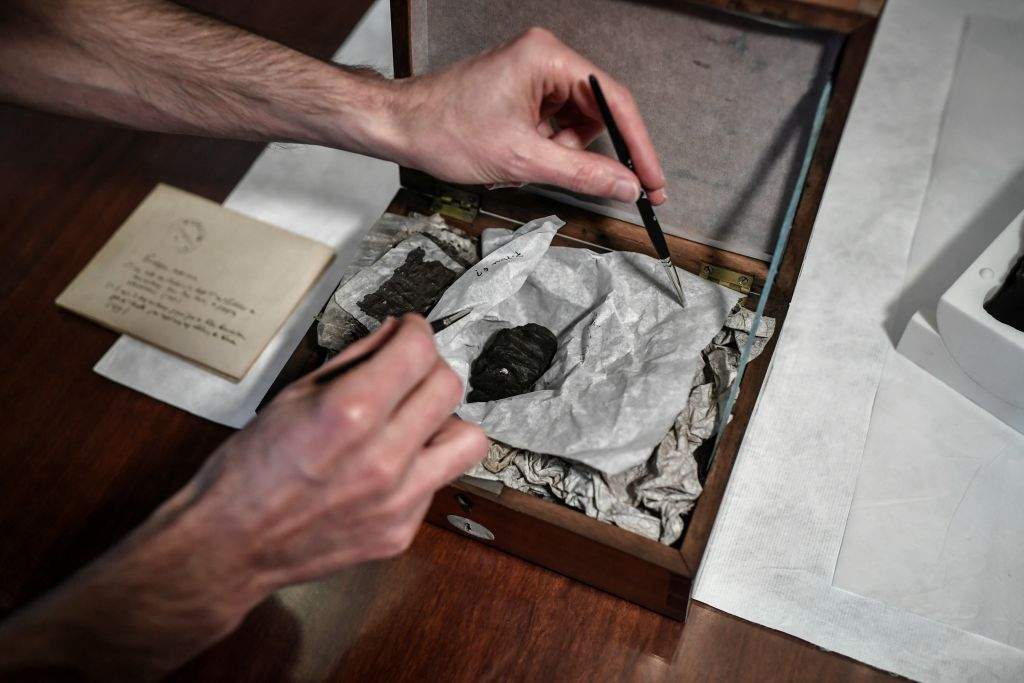
“Today we have shown you that that is possible,” he continued. “I believe we’re going to read every single one of the scrolls in the collection.”
Federica Nicolardi, lead papyrologist with the Vesuvius Challenge, said the technological advancements had transformed her field of study by allowing hundreds of preserved but unsealed scrolls to be read in their entirety.
“Even with the most successful methods available … to physically unwrap the scrolls and read them, one had to damage them. But with virtual unwrapping, we are no longer forced to choose between preserving and reading these extraordinary artifacts. We can do both,” she said.
Nicolardi said progress had been rapid, with researchers in the last 24 hours unwrapping the full length of one scroll, revealing some 140 columns of unseen text. Until recently, they were uncovering only about 10 per cent of the columns, she explained.
“Literally last night, in front of Mount Vesuvius, something, or I should say everything, changed,” she concluded.
— with files from Reuters


Comments
Want to discuss? Please read our Commenting Policy first.