






Two bills recently introduced by the Manitoba government have cryptocurrency operations across the province concerned about their futures.

If Bill 20 (The Manitoba Hydro Amendment Act) and Bill 39 (The Manitoba Hydro Amendment and Tax Administration and Miscellaneous Taxes Amendment Act) pass, crypto miners and data centres would be charged up to 100 per cent higher rates for electricity, and have to curtail power at peak times.
The province says this will control a growing demand on Manitoba Hydro, and maintain a stable electrical grid as the province is just a few years away from hitting capacity at peak times.
Operators across the province say this would devastate an industry in Manitoba that other jurisdictions are trying to propel.
“It would shut down the industry instantly,” says a spokesperson for Manitoba crypto miners Geoff Hill.
“Other provinces are actively trying to attract data centres, and AI and bitcoin mining. It’s an opportunity for Manitoba Hydro to have stable load they get paid for without exporting power out of Manitoba.”

Get breaking National news
The province says these bills are a way to give Manitoba Hydro the power to manage the growing electricity demand.
Finance Minister Adrien Sala was unavailable for an interview, but provided Global News with a statement.
“Manitoba is uniquely positioned as a jurisdiction with an abundance of clean, renewable, and publicly owned electricity. At the same time, the Manitoba government recognizes that new large-scale electricity loads must be considered carefully to ensure they align with Manitoba’s long-term economic, environmental, and social priorities,” the statement reads.
“In other parts of the world we are seeing crypto mining and data centres drive up costs for everyday rate payers. We are taking action to protect Manitobans.”
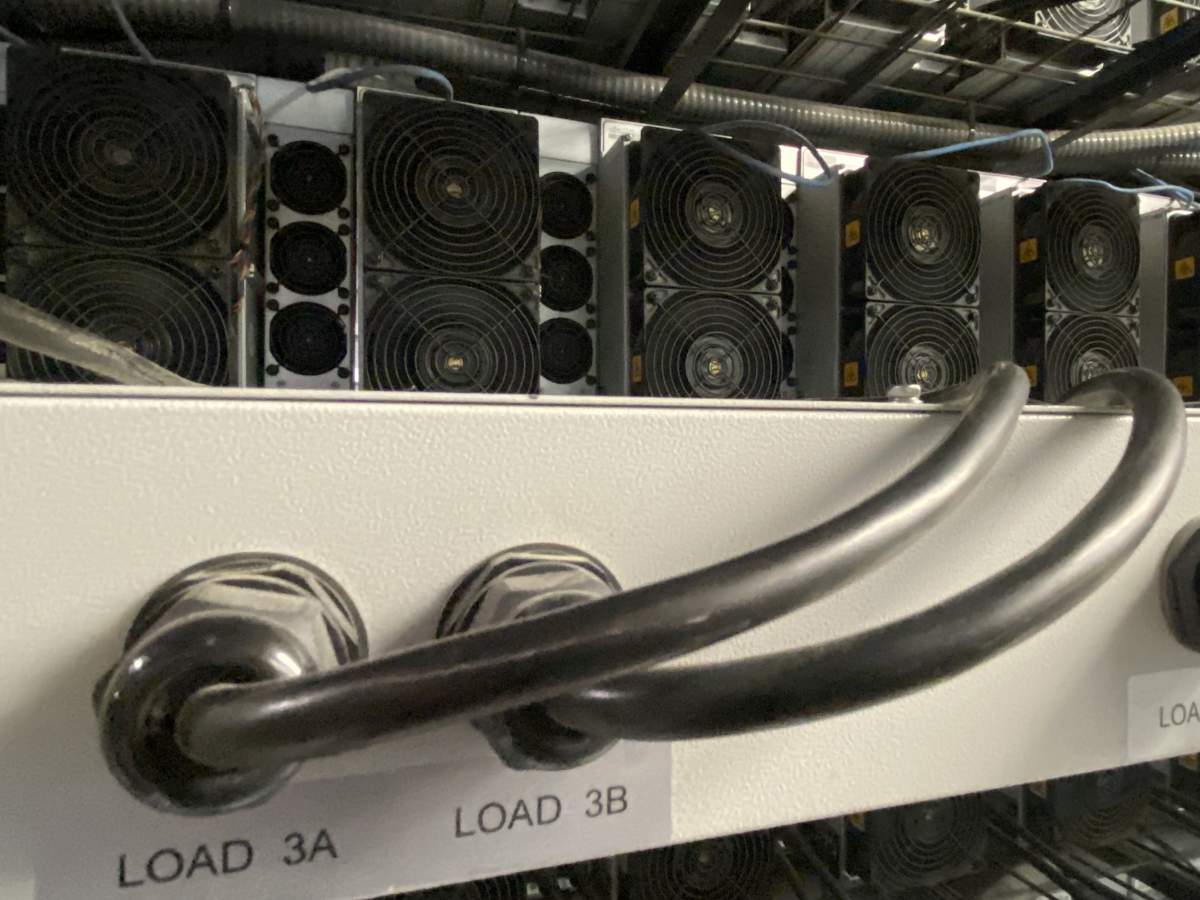
Gator Mining is a Manitoba-based cryptocurrency operation, and has a site in Winnipeg. At that location there’s 650 mining machines, with each using an estimated 26,280 kWh per year, which is more than the average Manitoba home on an annual basis.
For Hill, he believes these mines can already be flexible with their power usage and are willing to work with the province and Manitoba Hydro without the need for legislation.
“If there’s an emergency or we lose a power line somewhere, in 15 minutes we can go from two and a half megawatts to almost none,” says Hill.
In Manitoba there’s approximately 40 crypto mines in operation.


Crypo miners are cancer.