


Alberta’s Department of Environment and Protected Areas is stepping up its efforts to protect the province’s waterways from zebra mussels, quagga mussels and other invasive aquatic species.

From May 1 through Sept. 30, any watercraft, motorized or non-motorized, entering Alberta from the eastern or southern borders of the province will be subject to mandatory inspections.
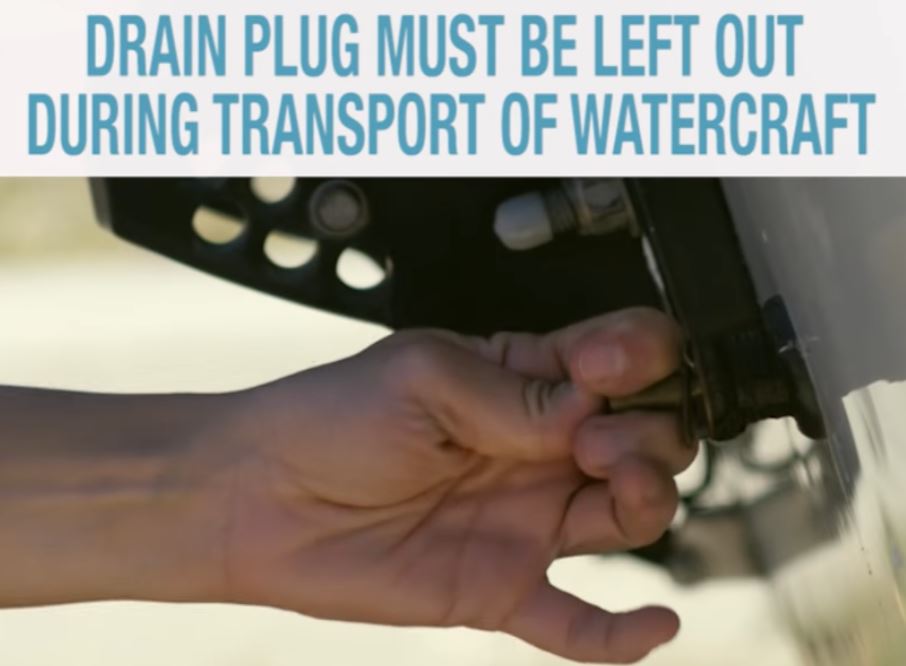
Any boat owners who fail to stop at an open can be subject to a fine of $4,200 and a fine of $600 for failing to remove the drain plug when transporting a watercraft within Alberta, which the provincial government claims are the highest fines in North America.
If the closest inspection station is closed when the boat owner enters the province, they must get their watercraft inspected within seven days and before launching it into Alberta’s waters.
This year, there will be 12 inspection stations set up across Alberta, including a new one being opened this year at the Chief Mountain border crossing in Waterton National Park, which will be operated in collaboration with Parks Canada and Canada Border Services.
The province is also investing $5 million over two years to establish a permanent roadside watercraft inspection station near Cold Lake, aimed at preventing boaters crossing the Alberta-Saskatchewan border from illegally bypassing inspections.

Get daily National news
The number of K-9 inspection teams is also being increased from a single team to three teams.
The K-9 teams can conduct inspections in about half the time it takes human inspectors and can identify mussel odours from microscopic mussel larvae in difficult-to-see areas of boats.

The government of Alberta claims the province is currently free of zebra and quagga mussels, invasive species that originated in Europe and have already spread to many parts of Canada and the United States.
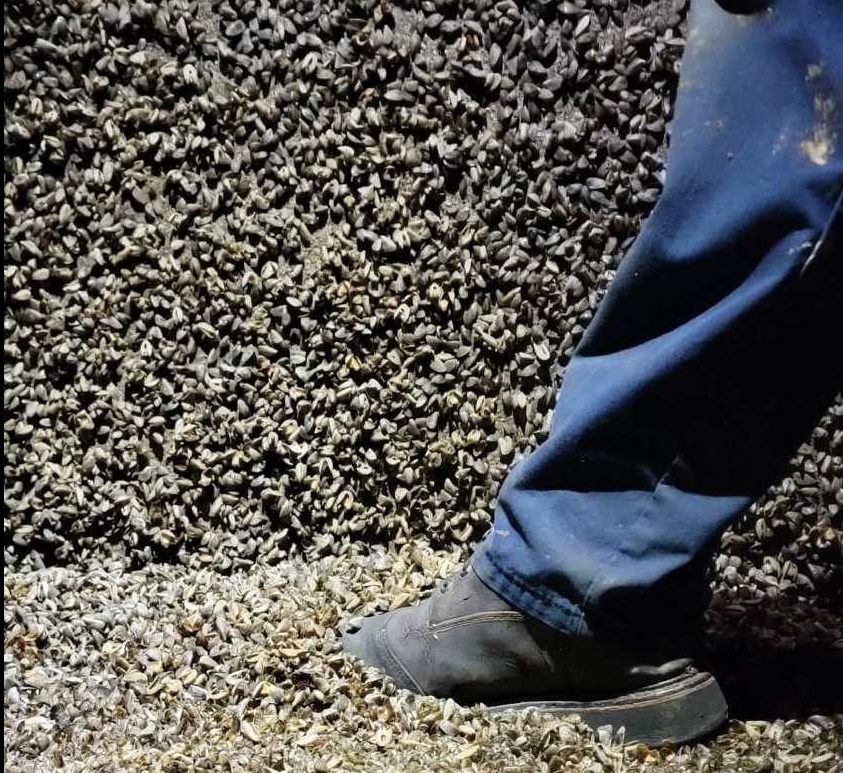
Once established, they are nearly impossible to eradicate and can spread rapidly, will outcompete native species for food and will attach themselves to things like water pipes and irrigation infrastructure, causing millions of dollars in damage.

In 2025, Alberta’s Department of Environment and Protective Services says inspectors examined 21,995 watercraft — that’s 8,495 more than in 2024.
Thirteen of them were identified to be carrying invasive mussels while attempting to enter the province.




Comments
Want to discuss? Please read our Commenting Policy first.