


Sexually transmitted infections and diseases continue to impact the province, according to health experts.

Despite the number of sexually transmitted and blood-borne infections dropping in most categories between 2024 and 2025, Saskatchewan still consistently ranks higher than the national average.

“The fact that everyone in Saskatchewan who’s engaging in, where those sorts of fluids are being exchanged, are at risk. And it’s — that’s hard to process sometimes,” explains Dr. Jasmine Hasselback, medical officer for the Saskatchewan Health Authority (SHA). “It’s an uncomfortable subject for most, but it’s a really important one.”
STIs are largely preventable and treatable, but without proper education, it can be hard to navigate this uncomfortable topic. To combat the trend, the Saskatchewan Prevention Institute is highlighting its ‘Keep It Safe’ app.
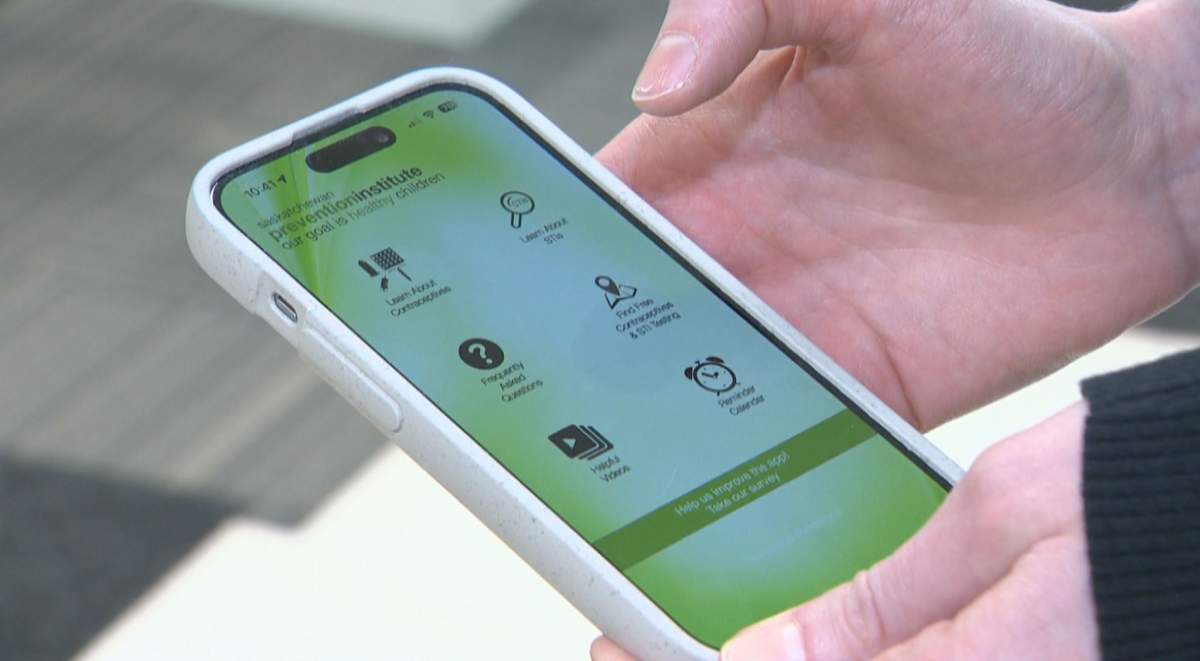
“It has information about contraceptives, like birth control and condoms and how to use them. And then it also has information on STIs and STDs, what they are, what the symptoms (are),” says Abbey Goertzen, sexual and reproductive health program co-ordinator. “My favorite, and I think the best feature on the app, is that it has a map where you can see all the different places you can get tested for STIs in Saskatchewan.”
- Nova Scotia flu cases rise as vaccination campaign gets underway
- What is ‘advance directive,’ the principle at heart of Ottawa’s new MAID law?
- New Canadian minimally invasive robotic procedure could revolutionize AFib treatment
- ‘Is this symptom normal?’: AI tool for patient questions rolls out in New Brunswick



Get weekly health news
STIs can be spread through more than just intimacy, including shared drug equipment or coming into contact with infected blood or fluids. At the University of Saskatchewan’s Student Wellness Centre, staff are keeping things accessible with on-site testing and free contraception.
“Stigma is something that students seem to struggle with, but we want to make sure that students are aware that sexual health is part of their overall health,” said registered nurse Jill Cowden.
With higher rates of chlamydia appearing on campus, the Wellness Centre is encouraging students to normalize conversations around consent and health.
“We talk about consent and we help students recognize that there’s no stigma, that this is something that we can openly communicate,” adds Jessica Fox, student support and outreach co-ordinator.
And if you’re still feeling nervous, experts suggest bringing a friend along and making a fun day out of getting tested.


Comments
Want to discuss? Please read our Commenting Policy first.