


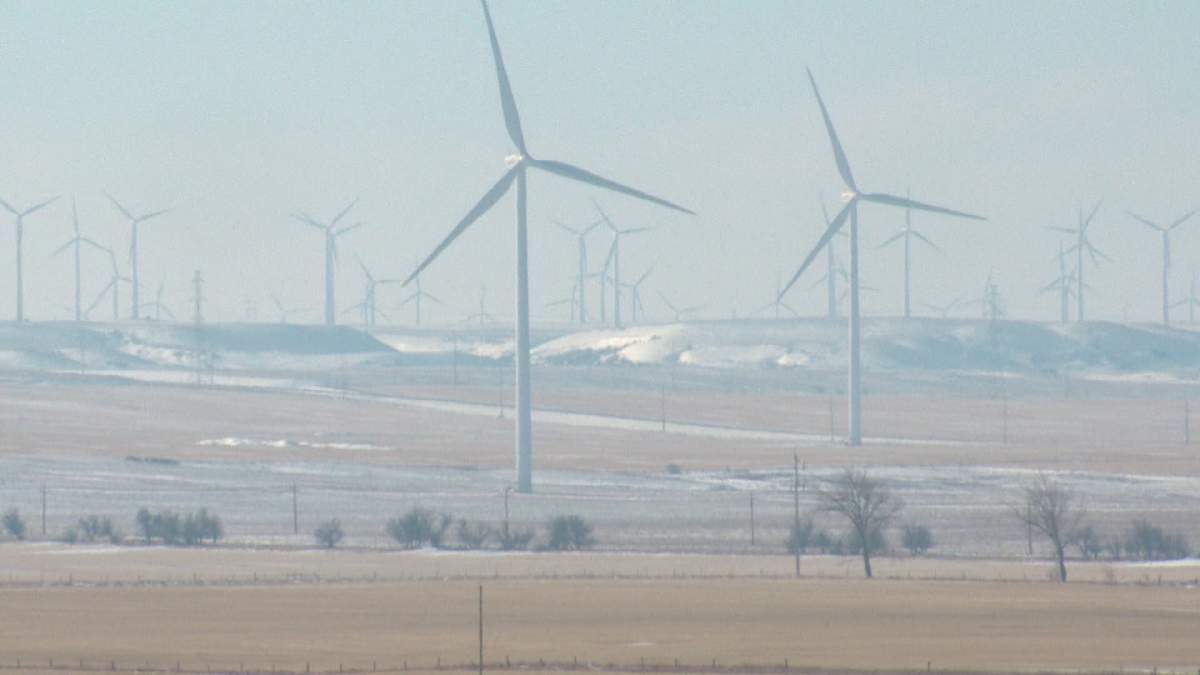
Southern Alberta is constantly changing. The way the land is used has an impact on it.

The Oldman Watershed is a reflection of the land uses that shape southern Alberta. Agriculture, forestry, energy, residential use and transportation are some things that put their footprint on the landscape.
“They all create benefits in jobs and royalties and rents,” said Brad Stelfox from ALCS Landscape & Land Use Ltd. “but they influence water quality and they influence water demand and water consumption. They fragment the landscape.”
He said land use has changed what was a relatively pristine landscape a hundred years ago. Water quality has been affected by nutrients including nitrogen and phosphorous that move from the landscape into water.

Get breaking National news
“If we’re talking about some of the wildlife species up in the headwaters it’s the linear features,” he said. “It’s the roads and the seismic lines and the pipelines that collectively fragment the landscape and can influence the performance of some of the fairly sensitive wildlife species.”
Neil Wilson, reeve of the M.D. of Willow Creek said, “We’re seeing increasing development in the Oldman River Basin and development pressure and more presence of people and activity along the Oldman River Basin.
People want the economic benefits of land use as well as the social and environmental ones. The challenge, said Stelfox is to manage by objective and decide how much forestry, crop land, energy and land for residential development we want.


“If we don’t start to get serious about planning,” he said “the landscape will continue, at 2 to 2 1/2 percent a year, to become more fragmented.”


Agriculture will also change in the future.
“As our climate continues to change, some of our agricultural practices will have to continue to evolve too,” Stelfox said, “particularly around irrigation which is the biggest consumer of water. As the climate warms and moves farther north, I expect to see a progression of agriculture in that direction.”
Stelfox believes some arid land may go back to native grassland while in other places agriculture will become more intensive to compensate for the loss of some of the area it operates in today.
He said the various land uses create significant benefits for society, however they do so at the cost of ecological integrity of water, land and air.
Comments