


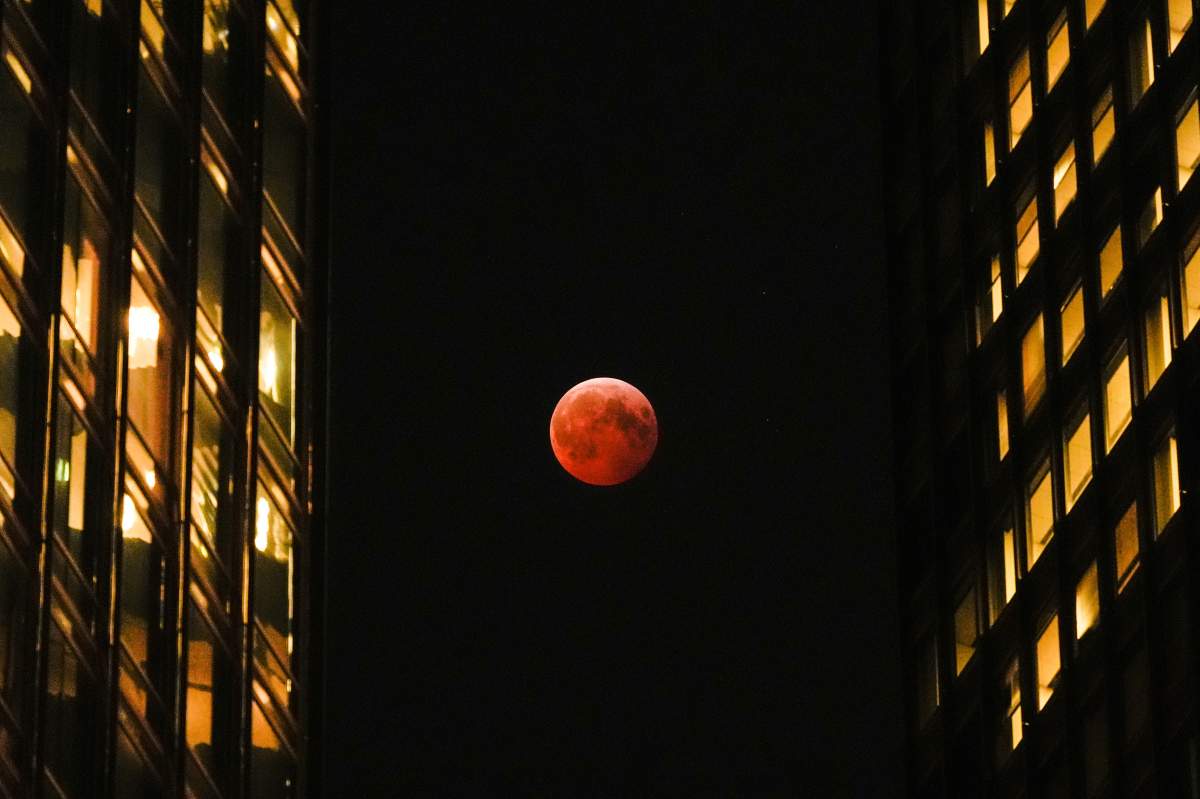
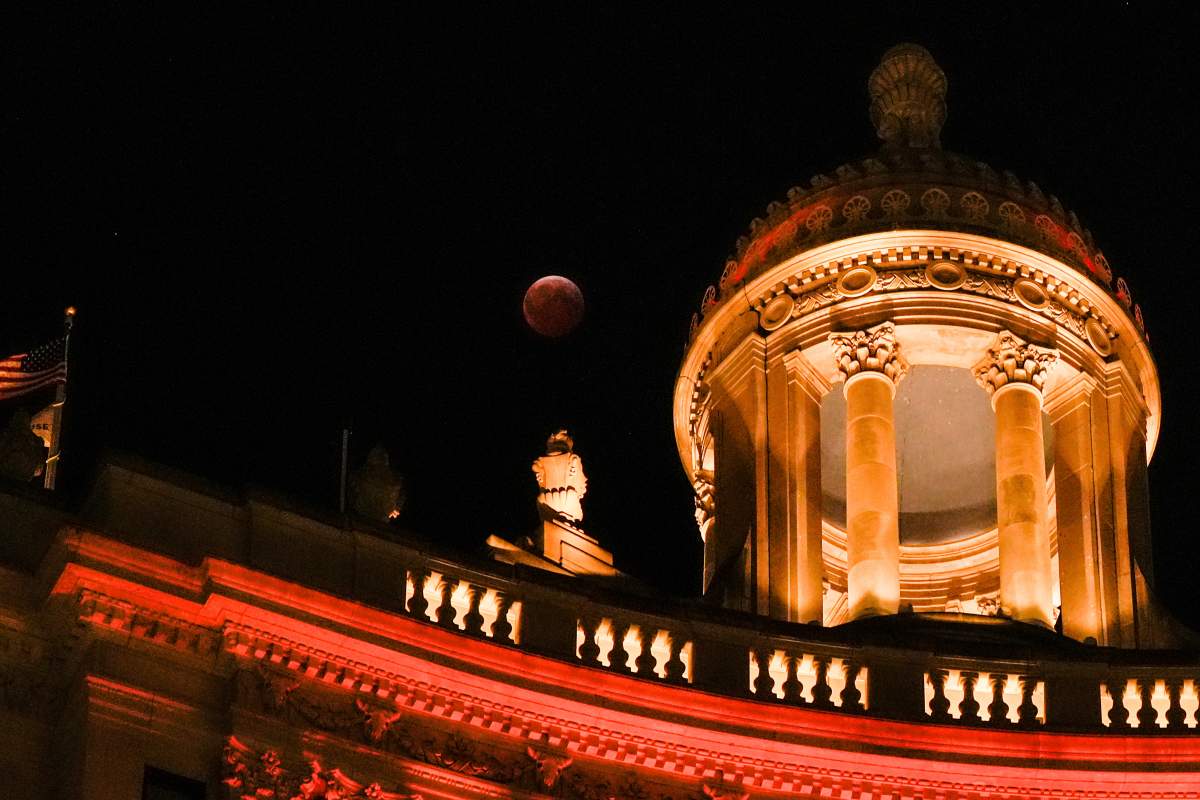
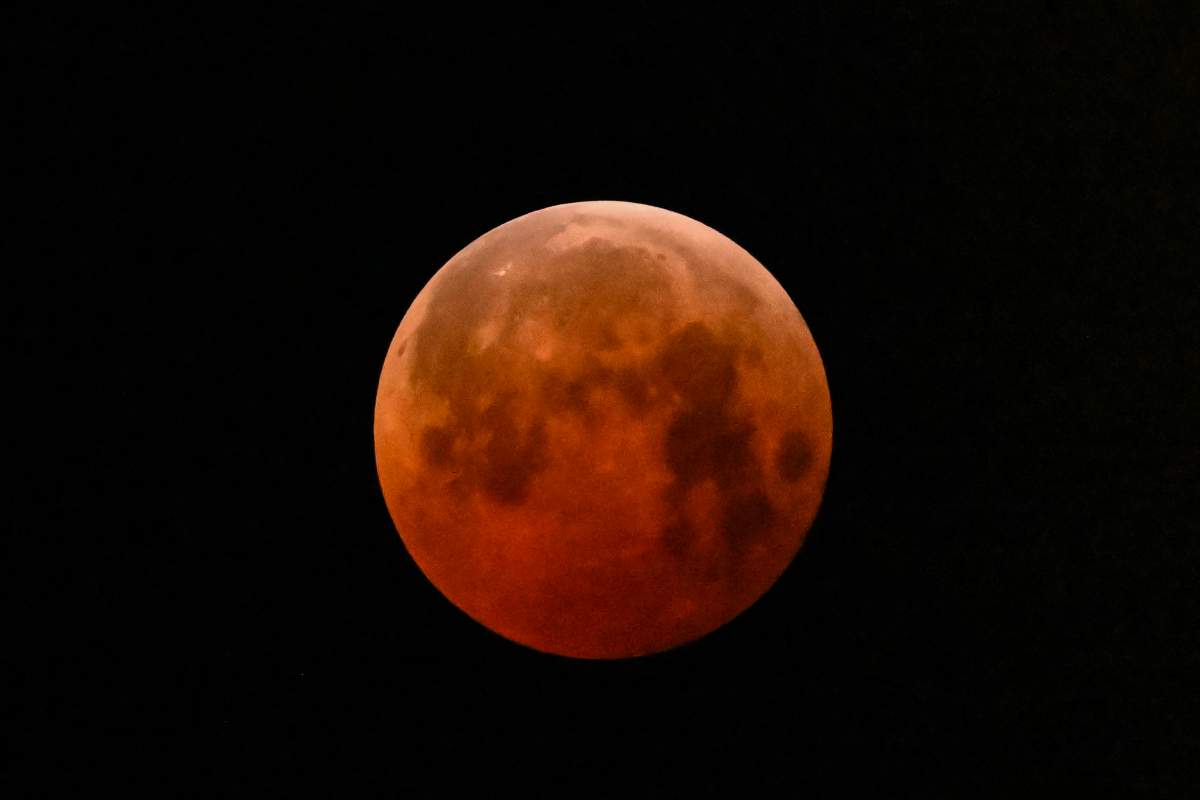
Stargazers around the world were treated to the year’s first total lunar eclipse — a “blood moon.”

March’s full moon, also called a worm moon, reached peak illumination in the early hours of Friday and was visible from Toronto to Canberra, Australia.
A lunar eclipse occurs when the Earth aligns perfectly between the moon and sun so that the Earth’s shadow falls on the moon’s surface, according to NASA.
A total lunar eclipse is when the entire moon falls within the darkest part of Earth’s shadow, appearing red-orange — hence the name, “blood moon.”
Here is how it looked in different parts of the world.



- Dual UK-Iranian national released on bail over suspected plot against US-run military base
- Europe to release reserve oil and diesel after threats from Trump
- As Texas declares state of emergency over fuel shortage, what’s dyed diesel
- U.S. reportedly threatens EU diesel export ban unless reserve fuel released
-
![]() G7 to release 100M barrels of diesel and crude
G7 to release 100M barrels of diesel and crude -
![]() U.S., Saudi Arabia investigate after FlyDubai captain attacked by copilot on Israel-bound flight
U.S., Saudi Arabia investigate after FlyDubai captain attacked by copilot on Israel-bound flight -
![]() Wall Street Journal reporter releases memoir, recounts fear he faced in Russian prison
Wall Street Journal reporter releases memoir, recounts fear he faced in Russian prison -
![]() Indian airline captain hailed as hero after cockpit attack on Flydubai flight
Indian airline captain hailed as hero after cockpit attack on Flydubai flight


The next total lunar eclipse will happen on Sept. 7 and will be visible in Europe, Africa, Asia and Australia.


Comments
Want to discuss? Please read our Commenting Policy first.