


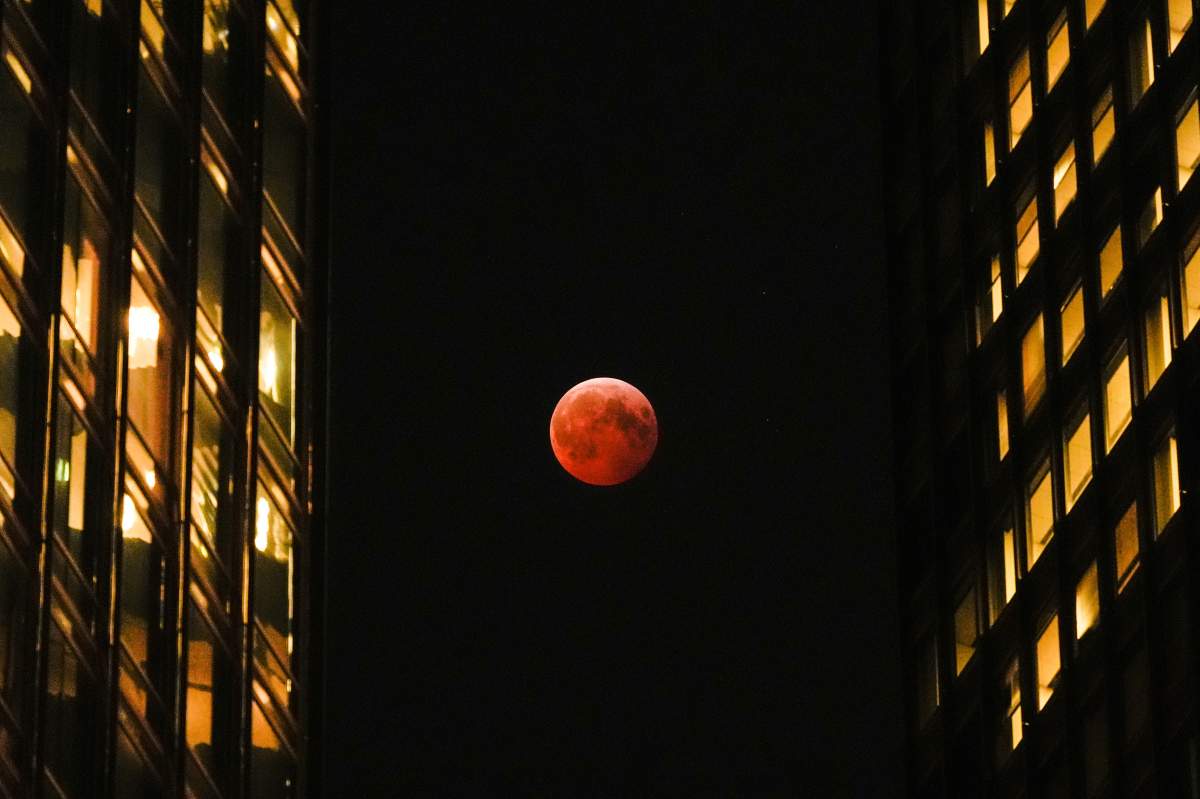
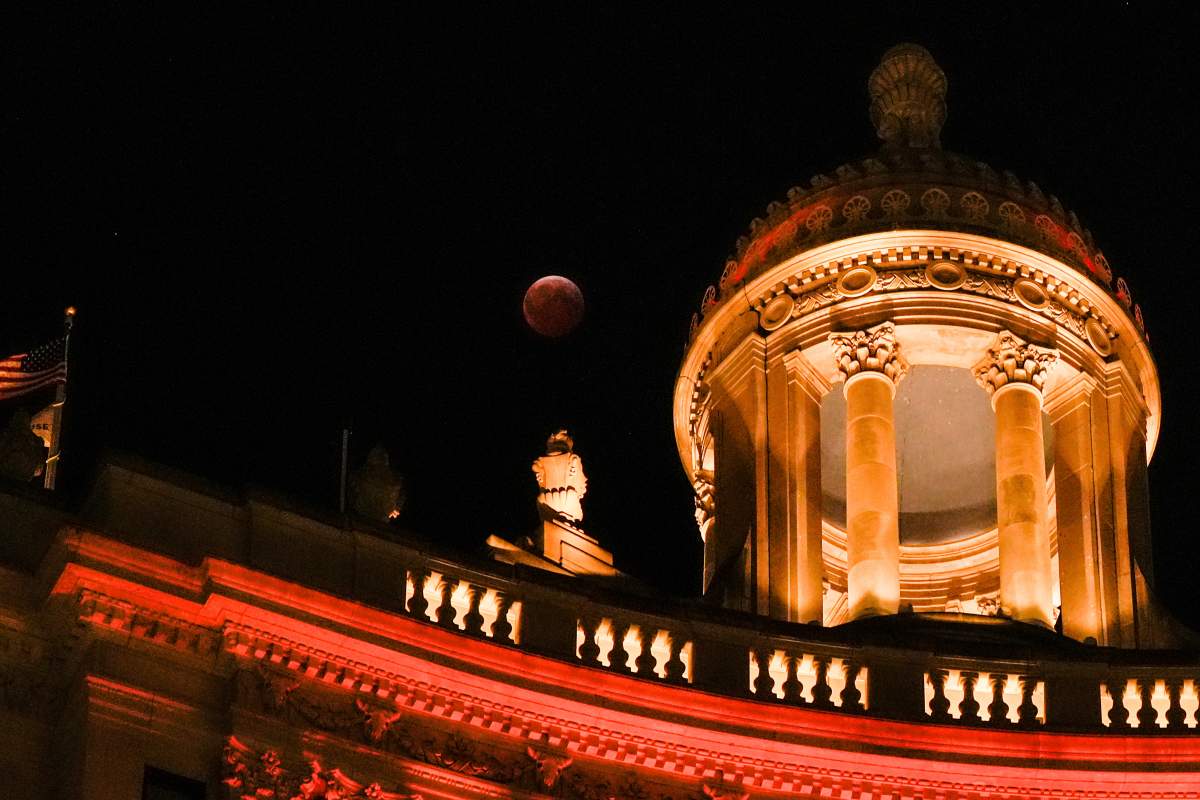
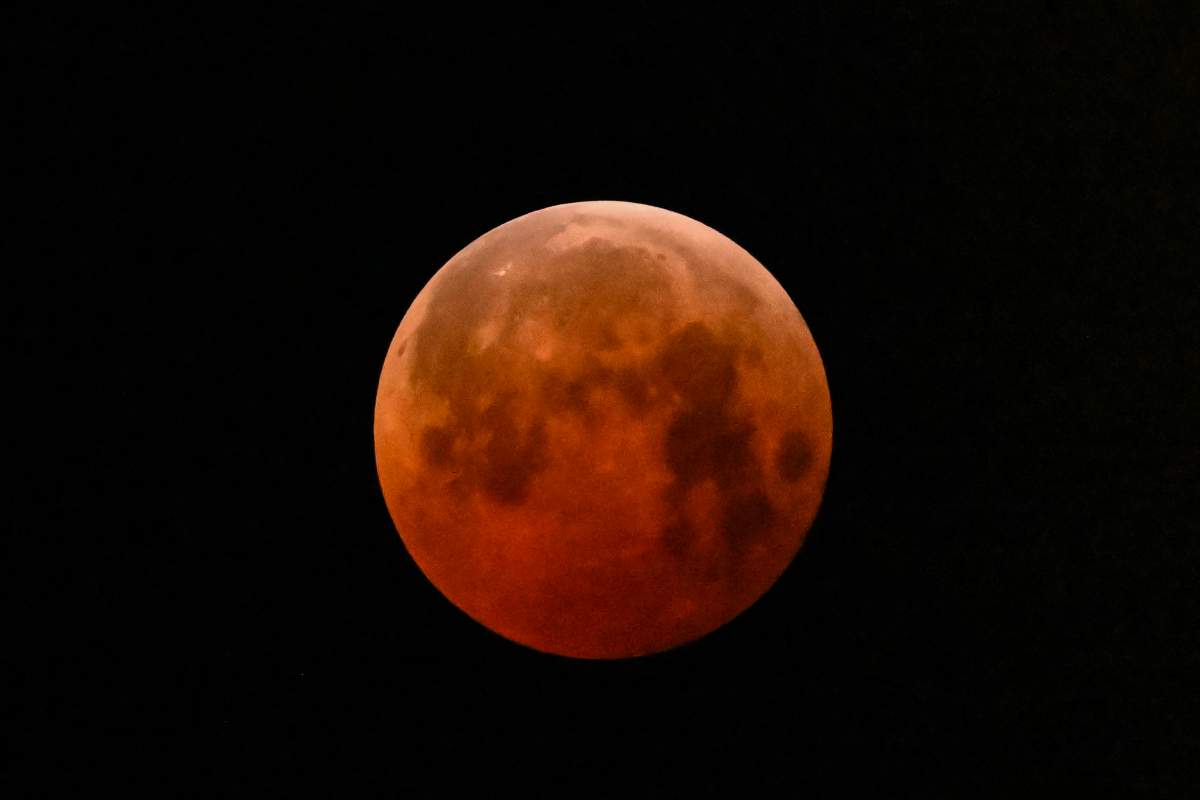
Stargazers around the world were treated to the year’s first total lunar eclipse — a “blood moon.”

March’s full moon, also called a worm moon, reached peak illumination in the early hours of Friday and was visible from Toronto to Canberra, Australia.
A lunar eclipse occurs when the Earth aligns perfectly between the moon and sun so that the Earth’s shadow falls on the moon’s surface, according to NASA.
A total lunar eclipse is when the entire moon falls within the darkest part of Earth’s shadow, appearing red-orange — hence the name, “blood moon.”
Here is how it looked in different parts of the world.





The next total lunar eclipse will happen on Sept. 7 and will be visible in Europe, Africa, Asia and Australia.


Comments
Want to discuss? Please read our Commenting Policy first.