


Recent terror attacks around the world have some travellers wondering if it is safe to go anywhere anymore.

Henri Chelhot, the Business Unit Leader for both FlightHub and JustFly, thinks it is still safe to travel, but says you can lessen your risks if you do your research and prepare yourself for any contingency.
“We’re lucky to be in this era where we have so much information online that it’s very easy to do your proper research and really know where and when to go anywhere,” said Chelhot. “There are so many travellers, so many bloggers and so many online resources that we don’t lack for information.”
Chelhot’s travel experts at FlightHub have compiled this list of things to help keep you safe during these uncertain times:
1. BE INFORMED
The Canadian government issues regular travel advisories to inform citizens where it is safe to go. If they recommend you to stay away from a certain place, then heed their advice, but read the advisory carefully. Sometimes an alert may warn you away from a specific region, city or neighbourhood while the rest of the nation is considered safe. It doesn’t hurt to check the advisories issued by the United States, Great Britain, Australia and New Zealand for additional perspective.

2. CHECK IN WITH HOME
Be in regular contact with friends and family back home. Give them a complete copy of your itinerary and inform them of your movements as much as you can. It will make them worry less and if something does go wrong, they can get help to you. They may also be able to update you with information to help you during a chaotic situation when local communications are in disarray.
3. REGISTER WITH THE EMBASSY
If you will be spending an extended period of time in one place, then register with your national embassy. They can help you if anything goes wrong and, in extreme situations, can help safely get you out of the country.
4. GET INSURANCE
Travel insurance can help pay for any emergency medical expenses that you could incur while travelling that might otherwise bankrupt you. Insurance can also help you if flights get cancelled or if you need to pull out of a trip. Be sure to read the fine print because acts of war and terror are often exempt from coverage. “We really encourage people to take insurance.” said FlightHub’s Chelhot. Even though it is an extra cost, it is definitely worth it.” With their insurance package, FlightHub allows you to cancel your trip for any reason.
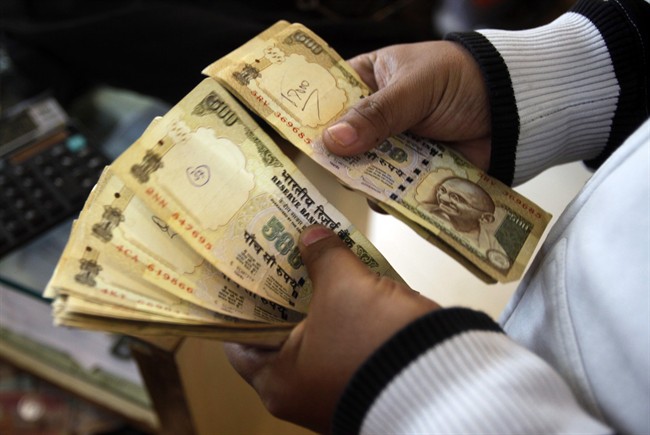
5. HAVE SOME EMERGENCY MONEY
Credit and debit cards make travelling in foreign countries a breeze, but there are times when cash is king, especially during times of crisis. Have an emergency stash of paper currency with you in case you need to spend your way out of trouble.
6. GO ANALOG
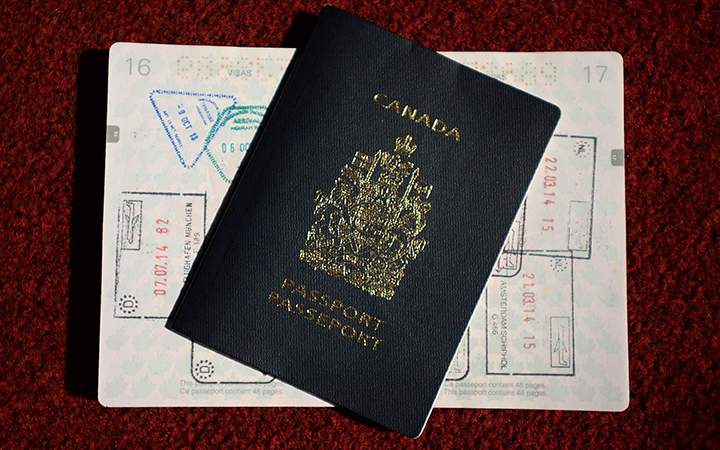
We have become increasingly reliant on our smartphones and computers when we travel, but having paper backups of things like your passport, visa, emergency phone numbers, hotel reservations and airline tickets are essential if you lose your electronic devices or if you can no longer connect to the internet.
7. BE AWARE
It’s nice to be in the moment when you travel, but always be aware of your surroundings. You don’t have to become paranoid, but look at people around you, take note of strange behaviour, watch for unattended bags and trust your instincts if something seems wrong. Know how to get out of wherever you are in a hurry in case things got bad.

8. BLEND IN
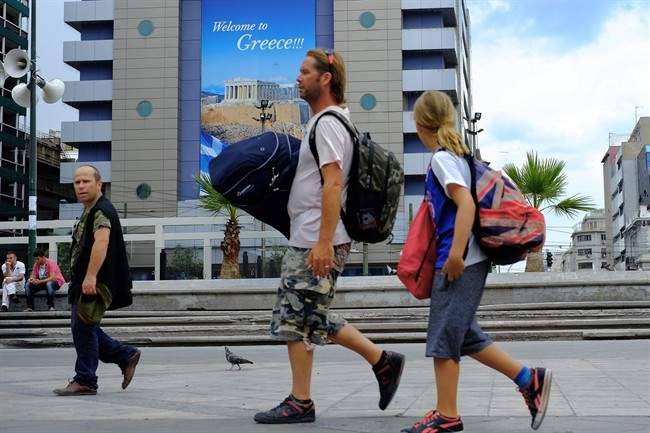
It can be hard not to look like a tourist when you travel and, depending on where you are it might not even be possible, but do your best to blend in so that you look like a local. You might not be as tempting a target to bad guys if you’re not immediately recognizable as a foreigner.
9. STAY IN THE LIGHT
Unless you are a toddler, you probably shouldn’t be afraid of the dark, but a lot of bad things are done under the cover of night. Limit your movement during hours of darkness and be extra vigilant in dark places.

10. GET SOME PERSPECTIVE
News headlines might scare you from ever leaving your door, but the simple fact is the odds of staying safe are heavily in your favour. Terror attacks, kidnappings and other scary happenings are random events and exceedingly rare. Being hurt in a traffic accident abroad is much more likely so simply wearing a seatbelt is probably the most important thing you can do to stay safe when travelling.


