

The physical impact of the earthquake in Japan is being felt around the world, including British Columbia.
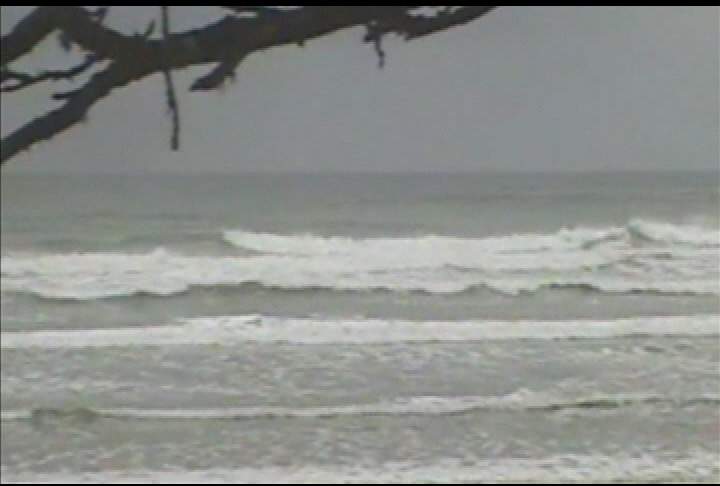
Several hours after the impact, tsunami warnings could be heard in communities across the Pacific west coast.
The first waves hit the Alaska/British Columbia border around 7:38 CST. Tofino and Prince Rubert, B.C. felt the impact shortly after 9 CST. The tsunami continued all the way down the coast, hitting South America around 17:00 CST.
Even though the waves lost much of their strength along the way, they were still powerful. Waves reached one metre in some areas, which University of Regina Geography Professor Joseph Piwowar says can still be very dangerous.
“A one metre high wave, we could not stand against it,” Piwowar said. “Even just splash against your house, there would be so much power behind it that it would knock the house down. It would knock cars over.”
Tsunamis can reach thousand of miles away from the initial impact.
“It’s a little bit like dropping a stone in a pond of water,” Piwowar said. “You see the ripples all going across.”
They happen after an underwater earthquake – the sudden movement pushes water up, creating large waves.
“After the wave has come all the way up inland, it sucks everything back out to sea,” Piwowar said. “If you survived the wave coming in, you may not survive the wave going out again.”
A stark reminder you do not need to be near the epicentre to be in a dangerous situation.



Comments
Want to discuss? Please read our Commenting Policy first.