

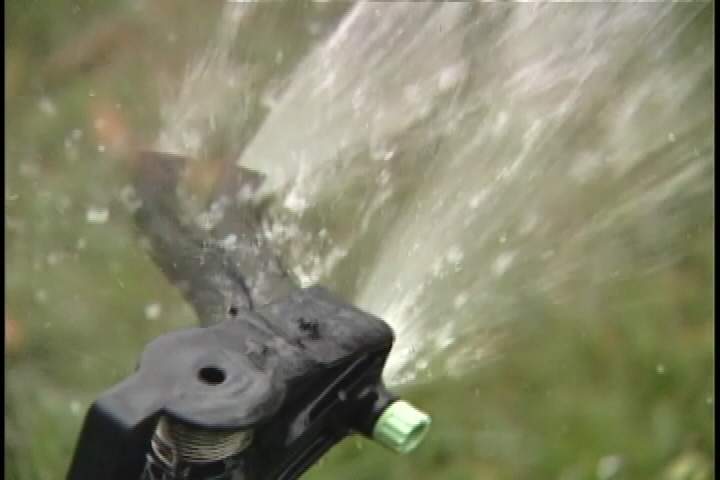
Kelowna Parks will be following the City’s upcoming outdoor watering restrictions. Starting June 1st, the City will be reducing the amount of water used to irrigate park turf and plants, by ten per cent.
“We have already reduced water use significantly since 1998 and we’re working on plans to further reduce usage through technology and changing practices,” says Parks, Beaches and Sport Fields Supervisor Ted Sophonow.
The watering plans for parks and green spaces in the city will be determined depending on use. Class A parks (sports fields and parks with beaches) receive high levels of use and need more water; Class B parks (neighbourhood parks) receive less water, and Class C (green spaces and cul-de-sacs) receive the least water.
Sophonow says parks are the most popular destination among tourists and that their maintenance is important to the local economy.
“Kelowna tourism surveys have found that up to 73 per cent of tourists cite “˜visiting a beach or park’ as their Number One activity when they come here,” he says. “Sport tourism also generates many tournaments and visitors to park and recreation facilities. Some sport fields are booked over 1,000 hours per year.”
Many park spaces require higher levels of care, because of the amount of foot traffic. The cost of replacing a turf sport field can range as high as $800,000, including soil, turf and irrigation system.
“Our irrigation programs are adjusted according to season and site conditions,” says Sophonow. “Citizens can expect to see our sprinklers on during the day if we have to test a system or rehabilitate the turf in an area.”
The City has worked with the Kelowna Joint Water Committee (KJWC) to develop a common drought response plan, which includes watering restrictions with the five water suppliers in the city.
For more information about watering restrictions and the different water purveyors in Kelowna, visit kelowna.ca/watersmart.



Comments
Want to discuss? Please read our Commenting Policy first.