




This year’s incoming medicine class at Western University will be the first chosen through a new admissions process — one that isn’t as dependent on academic metrics.

Associate dean of admissions at Western’s Schulich School of Medicine and Dentistry, Dr. Tisha Joy, says the admissions process overhaul begins with the question: how do you define a great physician?
“It requires someone to have non-academic traits such as adaptability, resiliency, respect, the capacity to work under pressure and multitask, maturity, empathy, integrity, and effective communication, leadership, and teamwork skills,” she explained.
“But how do you ensure that you will find someone like that if you rely heavily on academic metrics before offering an interview to medical school?”
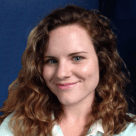
Gabby Schoettle’s unique experiences were among what Joy had in mind when the school made changes to its admissions process.

Get breaking National news
Schoettle’s mother died of metastatic breast cancer when she was eight years old and her father became ill and was unable to work soon after. She and her brother worked to pay bills and cared for their father until he died when she was in her last year of high school and her brother was 15.
“I had a very unconventional upbringing and university experience,” she said. “It made me a more resilient person, but it also limited me in some ways.”


Schoettle worked throughout her undergrad in a laboratory studying breast cancer, and she hopes to one day practice and research as an oncologist.
The new process saw the Medical College Admission Test (MCAT) thresholds widened, resulting in Schulich considering 280 more candidates than they would have otherwise.


Applicants were also asked to include an autobiographical sketch outlining how their ideals fit with the values of the school and what experiences they’ve had that they believe would make them a successful physician.
The applicant pool was narrowed down to just over 170 new medical students.
The 2019 stats show that nearly a quarter of the incoming class are considered to be from low socio-economic status, and nearly a fifth from remote, rural, or small town communities.
WATCH: (July 20, 2018) Montreal teens explore interest in medicine at CHUM

Comments
Want to discuss? Please read our Commenting Policy first.