


One of Apple’s main objectives, besides increasing iPhone sales, is improving its environmental sustainability – from finding new ways to recycle iPhone parts, to ensuring its data centres run on renewable energy.

But Apple has also been busy making sure its products contain fewer toxins than its competitors.
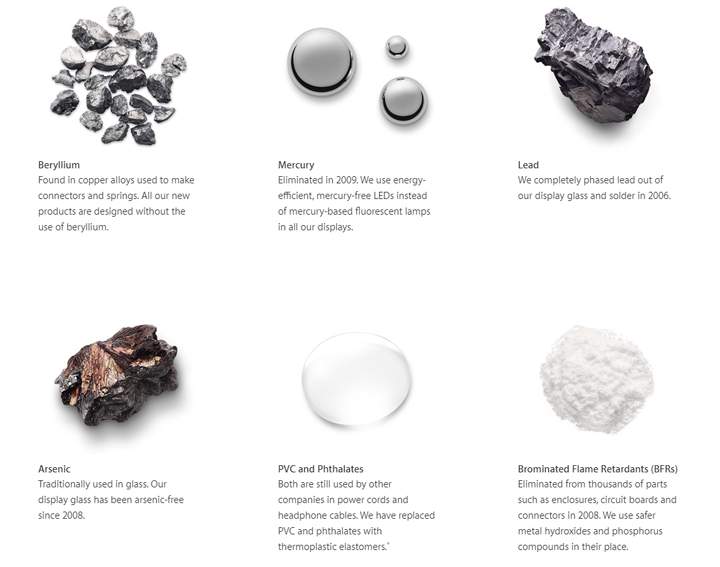
In its annual environmental responsibility report, released last week, the company identified some of the worst toxins found in its products and when they were removed.
For example, did you know arsenic is traditionally used in display glass?

Get breaking National news
READ MORE: Electronic waste is piling up. Here’s why you should care
According to Apple, its display glass has been arsenic-free since 2008.
Apple also eliminated the use of mercury – usually found in LED smartphone displays – in 2009.


Apple’s environmental responsibility report also revealed some interesting numbers about its recycling efforts.
The report states that Apple recovered 2,204 pounds of gold and 6,612 pounds of silver, worth millions of dollars, from old devices recycled by users.
During its media event in March, the company announced the addition of a new iPhone disabling robot named “Liam,” which will take iPhones apart piece by piece in order to reuse some of the materials inside.


Comments
Want to discuss? Please read our Commenting Policy first.