

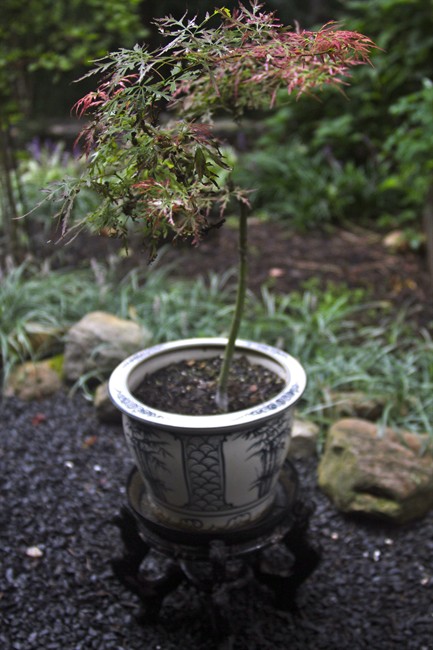
Perennials and containers make a great gardening combination, but they will quickly go to pot if overlooked in the winter.

Plant roots are vulnerable to freezing in containers, where the soil hardens more than it would in the ground. Stems and branches – particularly those on small trees and shrubs – need protection from the deep chill as well as from snow and icy buildups. Containers should be cared for to prevent splintering and crumbling.
“The most important thing you can do when overwintering container plants is ensure that they’re vigorous and established,” said Leonard Perry, an extension horticulturist with the University of Vermont.
“Young plants that you just pop into a pot and haven’t rooted yet may not do so well,” Perry said. “The healthier they are going in, the better their chances.”
Perennials should survive long periods of extreme cold if given pre-season care. That includes:
– Feeding. Slow-release fertilizers applied before the first killing frosts arrive boost plant hardiness. Feeding should end once the plants go dormant. “With good fertility, you don’t have as many overwintering problems,” Perry said.

Get daily National news
– Watering. Soils must be moist when the perennials are stored to help protect the roots.
– Pruning. Trim and dispose of all foliage after the plants go completely dormant. That keeps slugs and other insects from laying eggs in the residue, according to a “Simple Sensible Solutions” brochure from Walters Gardens Inc. at Zeeland, Mich., North America’s largest grower of wholesale perennials.
- ‘Really challenging issue’: Many B.C. communities still at high risk for flooding
- Cold warnings across the Prairies forecast wind-chill temperatures near -45 C
- Canadian military member arrested, charged in foreign interference probe
- Mailing in your taxes? CRA says changes are coming amid push to digital


– Trenching. Bury pots – plants and all – for improved insulation. Add a layer of mulch. Unearth and return them to their usual sites the following spring.
– Covering. Anything from evergreen boughs to blankets, straw to shredded bark can be used to safeguard pots and their contents. Securing a piece of bubble wrap or burlap around the pots also helps. Be quick to remove them once the weather warms.
– Storing indoors. Move potted plants into an unheated garage, basement, greenhouse, cold frame or similar site that matches their hardiness zone. Make sure it’s a place where the temperature stays above freezing.
Protecting the containers can pay off with additional seasons of service. “I raise my container plants off the ground in winter so they don’t freeze to the surface,” said Peter Cilio, creative director for Campania International, a designer and manufacturer of cast-stone garden accessories in Pennsburg, Pa.


“Some of the containers have feet for that purpose, or you can use pieces of wood,” he said. “A little height lets water escape through the drain holes and keeps the containers from splitting or cracking in freeze-thaw cycles.”
Large pots seem to last longer, Cilio said. More soil means better insulation. “Smaller pots constrict plant roots, hindering drainage.”
Choose your perennials well, especially for proven longevity in northerly climates. Potted perennials that are tough enough to endure at least a couple of hardiness zones colder than where you live are likely to survive extended exposure. That would mean using, say, Zone 4 plants in Zone 6.
And don’t forget rodent control. Mice like to cosy up to container plants in cold weather, especially those that include grasses.
“Begin baiting for mice about a month before covering your perennials,” the Walters Gardens horticulturists write. “This will help reduce their populations going into winter.”
—
Online:
For more about overwintering containerized perennials, see this University of Massachusetts Amherst factsheet:
http://extension.umass.edu/floriculture/fact-sheets/overwintering-containerized-perennials
—
You can contact Dean Fosdick at deanfosdick(at)netscape.net
Comments