


As the Canada Day long weekend approaches, many Canadian families will be packing up the car for a summer road trip to the cottage or the lake.
Highways and rural roads will be busier than usual, so before you hit the road, consider the following safety tips by Young Drivers of Canada to help keep your family safe and saving money this holiday weekend.
Plan your route – Plan your trips to travel in a logical order. Anticipate how long your route will take and leave plenty of time to avoid stress and rushing to your destination.
Keep your vehicle properly tuned – Have your vehicle checked before your trip. Keep your air and fuel filters clean. Your owner’s manual will advise you on how often they should be changed.
Check your tire pressure – For best fuel economy and handling, maintain tire pressure close to the maximum indicated on the door pillar or glove box. Check tire pressure at least once a month.
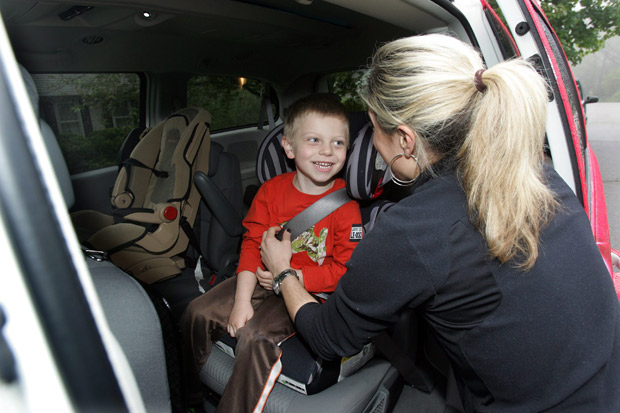
Buckle up – Seat belts worn correctly can reduce the chances of death in a collision by 47% and the chances of serious injury by 52%.
Park with care – Starting up by going forward out of a parking space uses less fuel than backing out and then starting up. Better visibility reduces your risk for a collision.
Pack necessities in the trunk – Items like a bottle of sunscreen, insect repellent containing Deet, and a couple of factory-sealed bottles of water are good essentials to have on hand. Any unnecessary items in the trunk should be removed as they just add weight that wastes fuel.
Keep kids occupied – Ensure children are properly buckled in. Make certain that they have something to keep them occupied and to prevent them from distracting the driver. Use designated roadside rest areas to help break up a long trip.
Drop the distractions – Avoid any type of distraction or impairment, which will only make the already complex task of driving more difficult. No texting or talking behind the wheel.
Turn off engine – Idling your engine more than 10 seconds wastes fuel. Turn off the engine when possible.
Light up at night – Whenever possible, use your high beams at night. Your low beams do not show you enough of the road to stop by the time you recognize the danger.


Comments
Want to discuss? Please read our Commenting Policy first.